


Detachable Hydraulic Hinge Bird Tail Short Spine F803Xa
F803Xa Detachable Hydraulic Hinge, Cranked Bird Tail Arm, Short Spine Plate
Clip on soft close cup hinge · Door lifts off without tools · Nickel plated steel · Factory direct
Product Overview

TheF803Xa detachable hinge combines three specifications that buyers choose independently: a clip on (knock back) connection between arm and plate, a cranked bird tail arm for overlay doors, and a short spine base plate. The closing action is hydraulic, with a sealed damper working inside the hinge arm.
What makes this hinge different from the fixed version in the same family is the joint between the two halves. With a clip on hinge the door can be lifted off the cabinet plate by hand, without undoing a single screw. That single property changes how the furniture is delivered, installed and serviced, which is why project buyers often specify it even when the fixed hinge is cheaper.
The cranked arm sets the door out over the cabinet side, so an overlay door clears the carcase and keeps an even reveal along its length. The short spine plate keeps the screw line compact, which suits standard chipboard and MDF cabinet sides and leaves room for shelf pins, drawer runners and adjacent bore lines.
Supply is assembled and ready to fit: hinge arm with damper in one unit, plate separate, both nickel plated. The photographs show the hinge face, the back of the arm, the release end and the plate, so the clip mechanism and the fixing holes can be checked against your own drilling drawing before you order samples.
Detachable Versus Fixed: Why It Matters

A furniture door is heavy, awkward, and in the way of everything else on site. With a fixed base hinge, removing a door means undoing four or six screws and supporting the panel at the same time; refitting means holding the door in position while starting screws, which normally takes two people. With the detachable hinge on this page, one person lifts the door off the plate in a few seconds and puts it back by pressing it until the clip engages.
That difference is decided long before assembly, at three separate moments in the life of a project:
- Transport — doors shipped loose and clipped on at site reduce breakage and let a flat pack cabinet travel without a door bolted to it.
- Installation — the fitter hangs the last door in a corner alone, because the door and the plate are installed as two separate operations.
- Service — internal shelves, drawers and cabinet interiors stay reachable for years after handover, and the door comes back without a tool.
The trade off is that a clip on joint is an extra interface. It is engineered into the hinge arm and is not a weakness when the plate is correctly screwed to a sound board, but it does mean the release end must be pressed home fully. A door that was knocked back on without being seated will feel springy and can come off under load, and that is a fitting error rather than a hinge defect.
Cranked Arm And Short Spine Plate Together
Two geometry choices on this hinge do quiet jobs that are easy to overlook when the model code is being written.
The crank carries the door face past the edge of the cabinet side. Choose too little crank and the door fouls the carcase on the swing; choose too much and the door stands proud with a visible shadow line. The bird tail form used on this hinge is the standard answer for an overlay door on a normal cabinet side.
The spine is the web of the plate between its two screw rows. A short spine is the default where the side panel is standard board and the fitter has to keep the fixing clear of everything else mounted on the same face. It also suits narrow mounting strips and thin sides, where a long plate would run into the adjacent bore line. Where a project uses a heavy solid timber door or a soft board that needs more screw spread, the long spine version of the same hinge is quoted instead.
| Point | F803Xa as supplied | Choose the alternative when |
| Arm to plate joint | Clip on, door lifts off by hand | Doors never come off and cost leads — fixed plate |
| Arm form | Cranked bird tail for overlay doors | Door closes inside the opening — straight arm |
| Plate spine | Short spine, compact screw line | Heavy door or soft board — long spine |
| Closing | Hydraulic damper in the arm | Free swing required — standard version |
Opening angle, crank offset, cup size, hole centres, load rating and cycle life come from the drawing and test sheet issued with your quotation. They are not printed here because they have to be matched to your door and cabinet.
Key Features
- Clip on connection — the hinge arm locks into the plate and releases by hand at the knock back end, so the door comes off with no tools.
- Soft close in the arm — a sealed hydraulic damper controls the last part of the swing and stops the door hitting the carcase.
- Cranked bird tail arm — built offset for an overlay door, keeping the reveal even without packing behind the hinge.
- Short spine plate — compact screw line that clears shelf pins, runner screws and adjacent bores in a standard cabinet side.
- Concealed cup fixing — the hinge disappears into the bored hole and nothing shows when the door is shut.
- Pressed steel with nickel plating — cold rolled steel hinge parts, plated for interior furniture use.
- Adjustable after fitting — round and slotted holes in the plate take up the door alignment error.
- Family drilling pattern — the cup side follows the same boring as the fixed and long spine versions of this hinge family.
Technical Reference
| Item | F803Xa hinge |
| Hinge class | Concealed cup hinge, detachable (clip on) type |
| Door fit | Overlay door on a standard cabinet side |
| Arm | Cranked bird tail arm with integrated clip mechanism |
| Closing action | Hydraulic, sealed damper inside the arm |
| Base plate | Short spine plate, screwed to the cabinet side |
| Material / finish | Cold rolled steel, nickel plated |
| Door removal | Lift off at the release end, no tools |
| Supply | Arm and plate supplied together; screws per packing sheet |

Fitting A Clip On Hinge Correctly
Mount the plates on the cabinet side first, on the marking line or from a jig, and leave them just short of fully tight so the hinge can be nudged. The cup side is bored to the drawing depth; depth matters more than position in the horizontal axis because it decides how the door face sits relative to the cabinet.
Hang the door by locating the front of the hinge arm on the plate and pressing the rear until the clip takes. You should feel a positive stop. If the arm was only resting on the front lip of the plate, the door will feel springy and the gap will change when the door is pushed — knock it back and refit rather than leaving it.
Alignment is then done at the plate screws, not by bending anything. Side to side comes from the slots, front to back from the fixing position, and door height from the cup side. Because this hinge is detachable, a door that needs re-hanging costs seconds instead of a screwdriver and a spare pair of hands.
Never pack behind a hinge to force a door into line. Packing compresses, and the door returns to the fault within a few months. If the reveal cannot be corrected inside the adjustment range of the plate, the bore depth or the plate position is wrong and that is what should be corrected.
Where A Detachable Hinge Is Specified
Kitchen and bathroom contract work is the largest user of this hinge. Doors are delivered separately from the cabinets on site lifts, hung at the end of the job, and expected to be removable later when a worktop, sink or appliance has to be changed. A knock back hinge is written into those specifications for exactly that reason.
Wardrobe and fitted closet furniture is the second market, where tall overlay doors are lifted off to move shelving or to get a bulky item past the opening. Retail fit out, hotel joinery, office storage, locker furniture and display cabinets all use the same logic: the cabinet stays fixed, the door comes and goes.
Where the door is small and never removed, and unit cost matters more than service access, the fixed version of the family is the better buy. Where the environment is wet or salty, specify a stainless hinge instead of this nickel plated steel hinge.
Servicing, Door Removal And Re-Fitting
Open the door to around ninety degrees, lift it upwards while pressing the release end of the arm, and the hinge comes away from the plate with the door in your hand. Refitting is the reverse: locate the front of the arm on the plate, press the rear until the clip engages, then close and check the reveal.
The plate stays bolted to the cabinet, so the alignment set during installation is preserved through any number of removals. This is the practical advantage over a fixed hinge, where every door removal means losing the screw line and resetting the door from scratch.
If the clip becomes stiff after years of use, do not lubricate the hinge. The damper is a sealed unit and the clip is a dry mechanical fit; oil attracts dust into the arm and changes the closing behaviour of the hinge.
Common Faults On Clip On Hinges
| Reported symptom | What inspection normally shows |
| Door came off the cabinet | Arm was rested on the plate and never pressed home into the clip |
| Door springs back when closed | Cup bored too shallow, so the arm is under preload against the plate |
| Gap uneven along the door | The two hinges are not on one line, or the plate was set off the marking line |
| Hinge pulls out of the board | Wrong screw length or crumbled chipboard; the plate cannot hold what the board cannot grip |
| Soft close stopped working | Damper pierced or oiled on site; a sealed hinge unit is scrap, not serviceable |
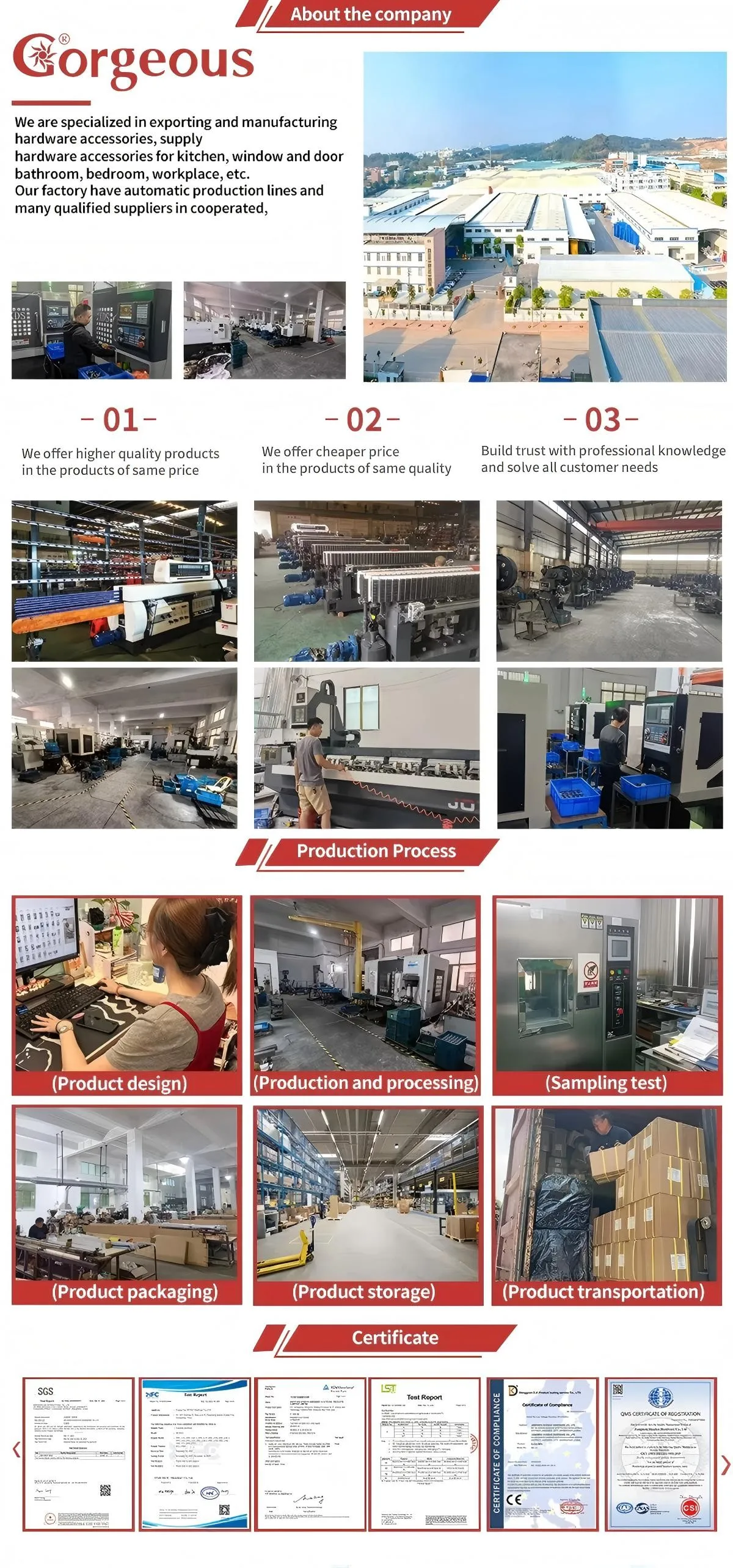
Ordering, OEM And Quality Control
Send the door height, panel material and door count and we will confirm the hinges per door and the carton total for this hinge. Mixed shipments are common: the detachable hinge for the wall units, the fixed version for base units, and the matching standard hinge where a project does not need soft close, all running from the same cup drilling.
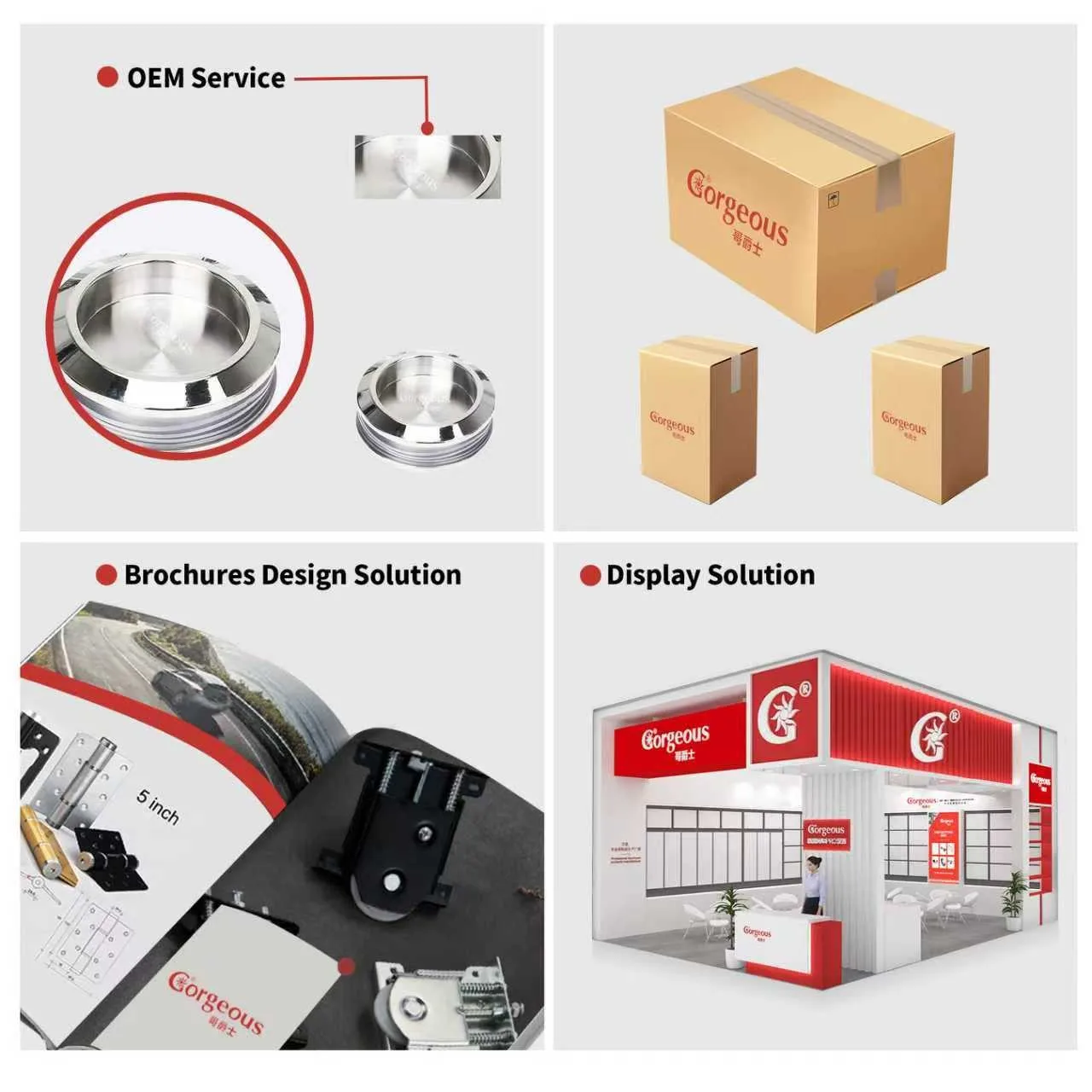
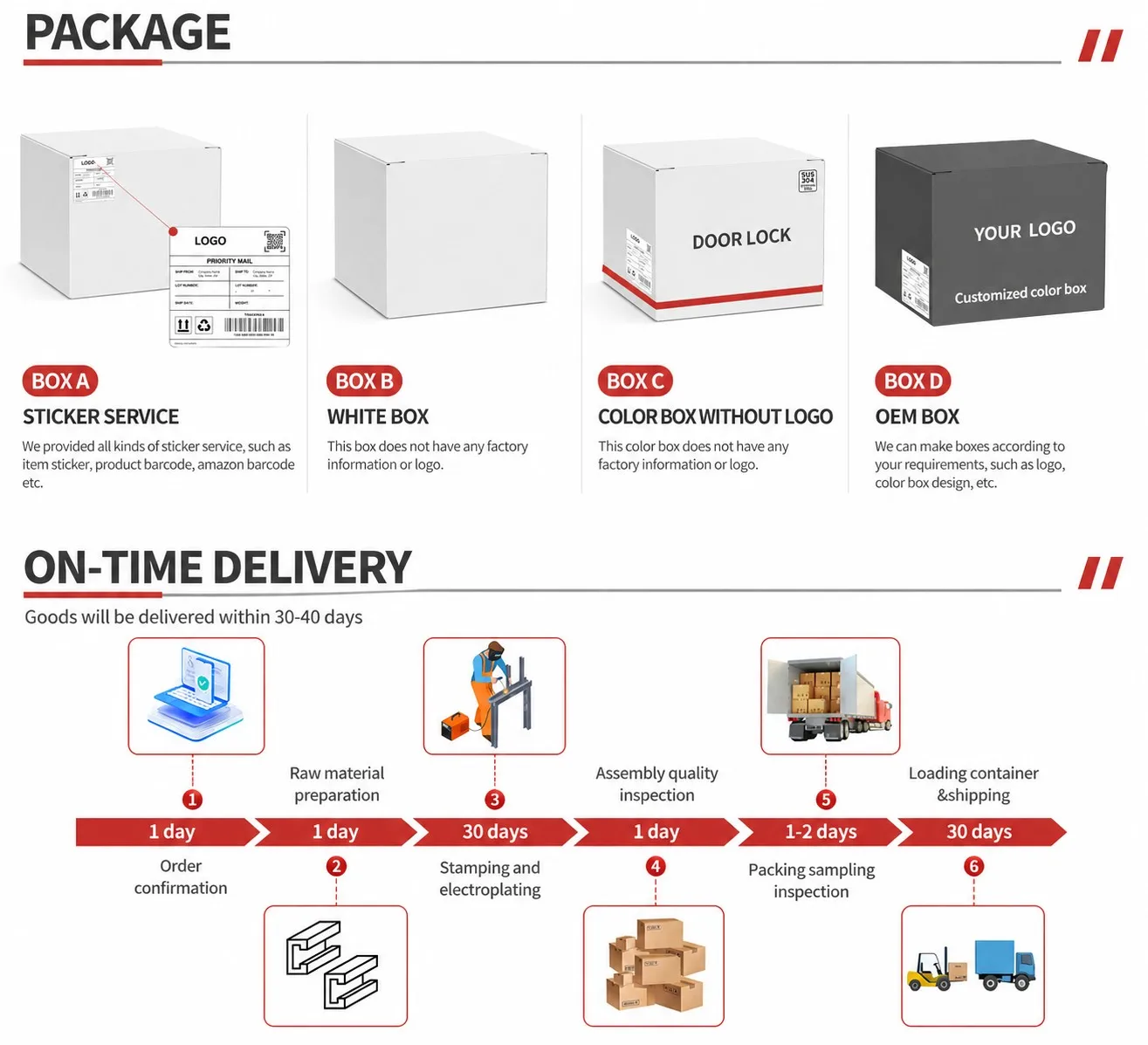
Brand marking can be stamped on the hinge arm, plating can be matched to your standard, and packing can be bulk cartons, boxed pairs for a hardware shelf, or carded sets. Damper viscosity is the first parameter changed when a buyer wants a firmer or gentler close.
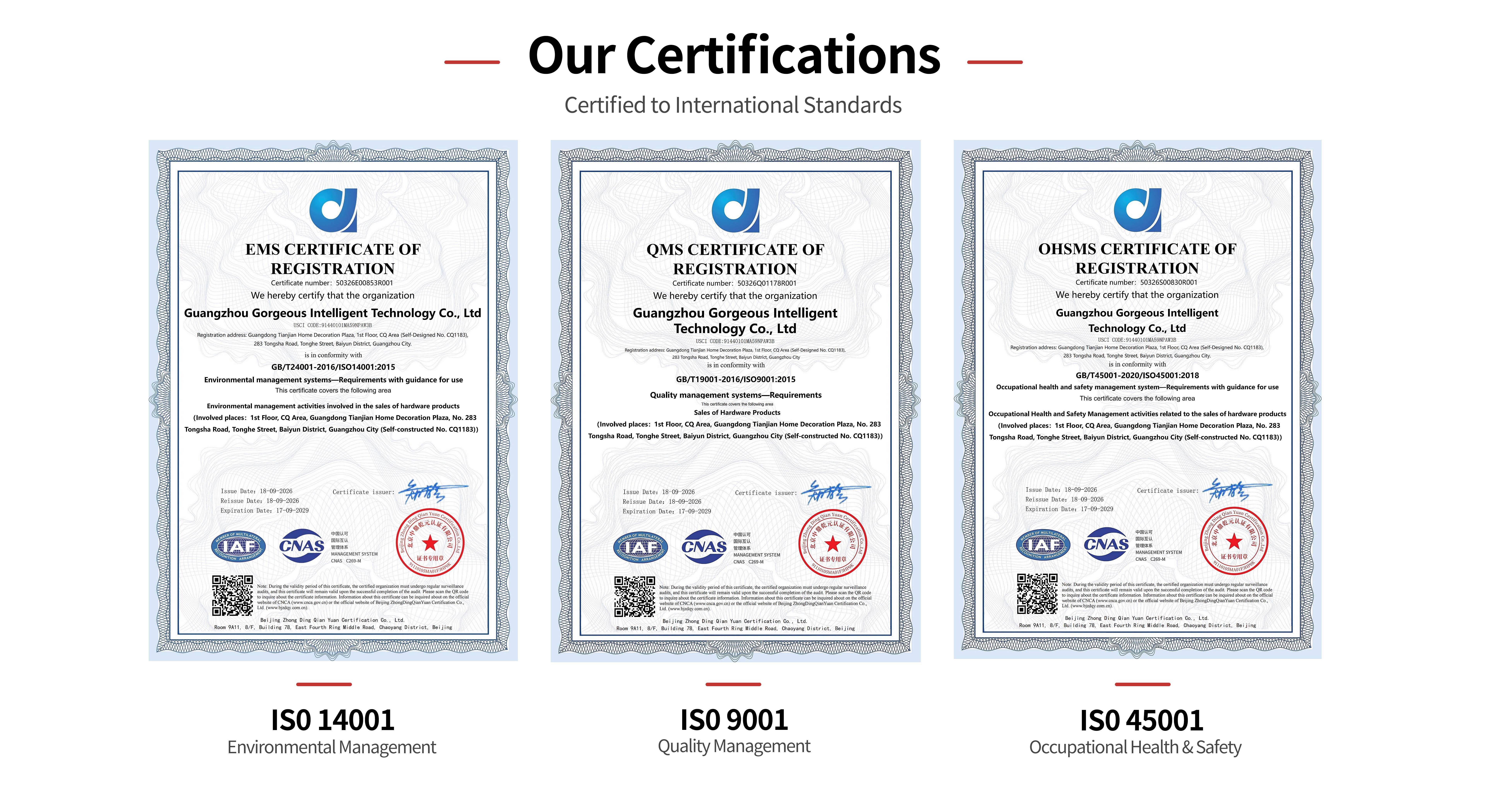
Batches are released on swing feel, damper engagement point, plating adhesion and plate squareness, with sample sets cycled on a bench rig drawn from the finished cartons. A pre shipment inspection report is issued against the sample you approved.
Choosing The Right Hinge In This Family
Buyers who order one hinge of this family usually end up comparing three or four, because a cabinet package rarely needs the same hinge on every door. The hinges below share the cup and the boring template, so a shipment can mix them without a second machine setup, and the only decisions are the arm, the plate and the closing action.
- This hinge — cranked arm, short spine plate, clip on, hydraulic: overlay doors that must come off by hand.
- Cranked arm with long spine plate — the same overlay door, with a longer screw spread for a heavier panel.
- Straight arm, short spine plate — for a door that closes inside the opening rather than over the carcase.
- Fixed plate version of this hinge — the same closing hinge without the clip, chosen when cost leads and the door never comes off.
- Standard hinge without damper — free swing hinge for stores, service cupboards and budget specifications.
Read the hinge choice as three questions. Does the door overlay or inset? That fixes the arm. Does the door need to come off? That fixes the plate joint. How heavy is the panel and how often is it used? That fixes the spine length and whether the hinge is damped. Answer those and the hinge model selects itself.
Frequently Asked Questions
Is this hinge the same as the F803X? Both are cranked bird tail hydraulic hinges in one family, but the F803X uses a long spine plate while this model uses the short spine plate and a clip on arm, so the door can be lifted off.
Can a clip on hinge be converted to fixed on site? No, the arm and plate are different parts; specify the version you need when the hinge is ordered.
Will the door drop over time? Not if the screws are correct for the board. Door drop is nearly always a fixing problem in the cabinet side rather than a hinge problem.
How many hinges per door? It depends on door height and weight, and we confirm the number for your panel before the order.

A note on hinge quantity, since it is the question our sales team answers most often for this hinge. A hinge carries shear at the plate screws and bending at the cup edge, and both loads rise with door height long before the hinge itself yields. Two hinges per door suit a standard wall unit door; three hinges spread the same door weight over a longer run of cabinet side, which is what a tall wardrobe door needs. Adding a fourth hinge does not make a light door close better, and on a damped hinge it can fight the hinge by adding a second damper to the same swing. Choose the hinge count from the door, and choose the damper from how the door should sound when it shuts.
Contact And Quotation
Send the door specification, quantity and destination port for a price, packing list and sample arrangement for the F803Xa detachable hinge. The drawing with crank offset and hole centres is issued with the quotation so your machining team can confirm the fit before production starts.


Comprehensive score