


Plastic Corner Brace with Cover Cap 42mm Cabinet K4214-P41
The K4214-P41 Plastic Corner Brace In Ten Photographed Positions

Ten frames were shot for this plastic corner brace and they do a job that a single frame cannot: they show the brace with the cover cap on and with the cover cap off, in five colours, and they show the size frame beside the part. The set is short because the brace is a simple moulding and there is nothing to hide about it, but the two states matter, because a brace with a cover cap is bought for the state it shows in a finished cabinet, and fitted for the state it is in before the cap goes on.
What the frames show is a triangular block rather than an L angle. The body has a ribbed front face, two screw wells moulded into the sides, and a small oval window at the top edge; the cover cap clips over the front and carries the same rib pattern, so a fitted brace reads as a single moulded corner rather than as a fixing. That is the whole idea of the part: the rib is what makes the corner look deliberate, and the cover cap is what makes it look finished.
It is worth being clear about what this brace is for. It holds two panels at a right angle from the inside of a corner, it is light duty, and it is used where the joint is light as well: a drawer box, a shelf frame, a back panel return, a repair over a corner that has already started to open. It is not a structural bracket and it does not pretend to be one, which is why the frames show the wall sections rather than a load figure.
Body, Screw Wells And Cover Cap
| Part | What it does | Where it shows on the frames |
| Triangular body | bears on both panel faces inside the corner | every frame; the block itself |
| Two screw wells | moulded chambers the screws pull against | visible with the cover cap off |
| Ribbed face | gives the corner a moulded, deliberate finish | the front of every brace |
| Cover cap | clips over the body and hides the screws | fitted on the standing frames, laid out separately in one frame |
| Oval window | small opening at the top edge of the body | visible on the fitted braces |
The body of this plastic corner brace is the part that carries the joint, and it carries it in compression. The two screws pull the panel edges together, and the moulded body then has nowhere to go, so the corner stops opening. That is why a moulded bracket of this size holds a cabinet corner without any steel in it, provided the panels are board and the joint is not asked to carry a shelf of books.
The two screw wells are the part to look at when a brace is being judged. Each well has to be deep enough that a screw of the agreed length does not bottom out and split the moulding, and thick enough that a clutch gun does not crack it. With the cover cap off, the wells are visible as two chambers in the body, and they are solid rather than thin rings, which is what a bracket needs if it is going to be driven by a gun on a production line.
The cover cap is what separates this bracket from a plain corner block. It is a moulded plate that clips over the front of the body, it carries the same rib pattern as the body so the joint looks continuous, and it is a push fit rather than a hinge. A push fit cap is cheaper than a hinged lid and it is the right choice where the brace will not be opened again after fitting, which is the case on a carcass that is assembled once and then forgotten.
The oval window at the top of the body is worth a note because buyers ask about it. It is not a vent and it is not a second fixing; it is the opening that lets the cap be released with a fingernail or a small driver, and on a fitted brace it reads as a small shadow at the top edge. A brace without the window has to be unclipped from the side, which on a tight carcass means the bracket comes off with the cap rather than the cap coming off the bracket.
The Sizes The Frame Marks

One frame carries the size drawing and it marks the brace twice: 42 millimetres along the length and 20 millimetres high. Those two figures are the whole specification of the outside, and they set what the bracket will cover. The length is how far the brace reaches along the panel edge, and the height is how far it stands up the second panel; read together they say the brace fits a corner whose two panel edges are at least that wide.
| What the frame marks | Figure |
| Length along the panel edge | 42 mm |
| Height up the second panel | 20 mm |
| Fixing | two screws, one in each screw well, size not marked on the frame |
| Cover cap | push fit, ribbed to match the body |
| Material | moulded plastic, body and cap |
Two practical notes come out of those figures. The first is that a brace this long covers a corner generously for its height, so it is used where a panel edge has to be supported along its length rather than where the corner needs a deep block. The second is that it is a light duty bracket: it holds a corner, it does not carry a shelf. Where a joint has to carry weight, the same corner wants two braces rather than one, or a mechanical joint as well.
The Names This Brace Sells Under
A brace of this kind is bought under several names and three of them are used here. It is a corner brace with cover cap when the cap is the point, which on a visible carcass it usually is, because the cap is what hides the two screws. It is a cabinet corner connector when the cabinet is the scene, because that is where nearly all of them end up. And it is a plastic corner brace when the material and the part are being named together, which is how the trade orders it against a drawing.
All three names point at the same moulding and the same two figures, and a buyer sent one of them will recognise the part from the picture. What is worth confirming before an order is that the brace quoted is the one with the separate cover cap rather than a brace with the screws left showing, because the two look alike in a small photograph and only one of them finishes a visible corner.
The brace is quoted with its colour and with the cap, because both are part of what the customer sees. That is also the order in which a consignment is checked on arrival, and the order in which a corner that looks wrong after fitting can be faulted.
Where A Corner Brace With Cover Cap Is Used
The commonest place is a cabinet or wardrobe carcass, where two panels meet and the brace goes in from the inside with the cap over the screws. The second is a drawer box, where four braces hold the box square and the caps keep the inside of the drawer clean enough to put clothes in. The third is a shelf frame or a back panel return, where the brace holds a thin panel against a thicker one and the ribbed face reads as part of the furniture rather than as hardware.
The bracket is also used as a repair part, and that is where the cover cap earns its place twice. When a panel corner has blown, the brace goes over the damaged area, the screws pull into whatever solid material is left, and the cap hides the repair. In a visible carcass that is the difference between a fix and a scar, and it is the reason a repair kit is usually bought with caps rather than without.
The limits are worth stating. This is a light duty brace: it holds a corner, it holds a back panel, and it holds a small box square. It does not replace a cam and dowel joint in a panel that carries weight, and on a loaded shelf it supplements a mechanical joint rather than standing in for one.
Cap On Or Cap Off: What The Frames Show

One frame shows the bodies and their cover caps side by side, and it is the frame to study before a colour is chosen, because it shows both halves of the part. With the cap off, the brace reads as a fixing: two screw wells, a ribbed body and a window at the top. With the cap on, the same brace reads as a moulded corner, and the screws, the wells and the body edges are all hidden behind a ribbed plate that matches the furniture.
That difference is why the colour matters as much as the size. On a tan carcass a tan brace disappears; on a white carcass a white one does the same, and on a black carcass only a black brace will do. A grey or cream brace on the wrong panel is the one thing that makes a fitted bracket look added on, so the frames are shot in five colours rather than one.
In the hand the bracket is light and slightly flexible, and the cap clicks when it goes on. It stays on under a fingernail and comes off with a small driver through the window, which is the behaviour a distributor is really buying when an order is placed.
Short Answers On This Brace
- Brace size: 42 mm long, 20 mm high, as the size frame marks it.
- Brace build: one moulded plastic body with a push fit cover cap over it.
- Brace fixing: two screws, one in each moulded well.
- Brace colours: tan, grey, black, white and cream.
- Brace duty: light, for holding a corner rather than carrying a shelf.
- Brace packing: the cap ships with the brace, not as a separate item.
What A Ribbed Brace Does That A Plain One Cannot
A plain corner brace is a functional shape: two flat legs and two holes. This brace is the same shape with a ribbed face and a cap, and the difference is not decoration for its own sake. The ribs stiffen the face of the brace, so a brace of the same wall thickness resists being pulled out of square better than a flat plate would. That is why the ribbing runs the full length of the brace rather than being moulded as a small logo in the middle.
The cap then covers the working face of the brace. On a carcass that is seen, that matters more than the ribs: a brace with two screw heads showing reads as a repair, while the same brace with its cap on reads as part of the moulding. Buyers who ask for the cap are almost always fitting the brace where a customer will see it, and buyers who do not are fitting a brace where nobody will.
Neither version changes the joint. The brace holds the corner in both cases; only the finish changes. That is worth saying plainly because it means a brace can be specified by finish without any argument about strength, and a job that runs short of caps can still be finished with the brace alone and made good later.
The brace is also the part that decides how a repair looks. A brace fitted over a blown corner hides the damage it covers, and a brace with a cap hides the fact that anything was fitted at all. In a run of kitchen units that is the difference between a carcass that was repaired and a carcass that looks new, which is what a fitter is paid for when a brace goes in at the end of a job.
Fitting A Brace Into A Carcass
The brace is fitted after the two panels are offered up and before the carcass is finally tightened, with the cover cap off. The panel faces are marked, pilot holes are drilled through the first panel only, and the brace is screwed into both wells. The corner is then checked for square and the cap is pressed on last. Fitted in that order the brace needs no rework; fitted with the cap already on, the brace usually has to come off again, because a cap that is in the way is a cap that gets levered.
The two screws are driven alternately rather than one after the other. Driving one screw fully first pulls the brace out of line and the second well then fights the body, which is how a brace ends up with a cracked well. Alternating the screws keeps the brace square and is the single most useful thing to tell a new fitter about this part.
On a production line the brace is driven with a short clutch setting and the cap is pressed on by the same hand, so a carcass corner takes a few seconds. That speed is why the brace is moulded rather than assembled from a block and a separate plate: a brace that arrives in two pieces costs more in handling than it costs in material, and the pieces get separated in the box.
Questions A Buyer Asks About This Brace
- How big is it? 42 mm long and 20 mm high, as the size frame marks it.
- Is the cover cap included? Yes, the brace is supplied with its cap, and the cap is a push fit rather than a hinge.
- How many screws? Two, one in each moulded screw well.
- What colours are there? Tan, grey, black, white and cream across the frames.
- Why is there a small window at the top? It is the release point for the cap, not a vent and not a third fixing.
- Will the cap sit flush? Yes, it clips level with the body so it does not catch on a shelf.
- Is it strong enough for a shelf? It holds a corner, not a loaded shelf; a loaded joint wants two braces or a mechanical joint as well.
- Can the cap be replaced on its own? The cap is a separate moulding, so a spare cap is a separate item agreed on the order.
- Is it a bracket or a connector? Both names are used; it is a corner brace that pulls two panels together and covers the fixing.
- What is the load rating? Not stated in this batch; it is a cabinet assembly part, not a rated one.
Checks Before A Brace Goes Into A Corner
A bracket this size is easy to fit badly, so these are the checks that decide whether the corner stays tight.
- Corner checked for square before the brace goes in, because a brace holds an angle rather than pulling one square.
- Panels offered up dry, so the brace is seen to sit on both faces without rocking.
- Screw wells checked against the screw length, so the screw does not bottom out and split the moulding.
- Screws driven until the brace is drawn down, not until the body distorts.
- Cap worked on and off on the bench, so a stiff clip is found before it is inside a carcass.
- Colour checked against the panel in daylight, because cream and white read alike under a workshop lamp.
- Brace counted against the pack, since a carcass corner takes one and a drawer box takes four.
- Joint re-checked after a week, because a brace with two screws shows a loose corner quickly.
Who Supplies This Brace
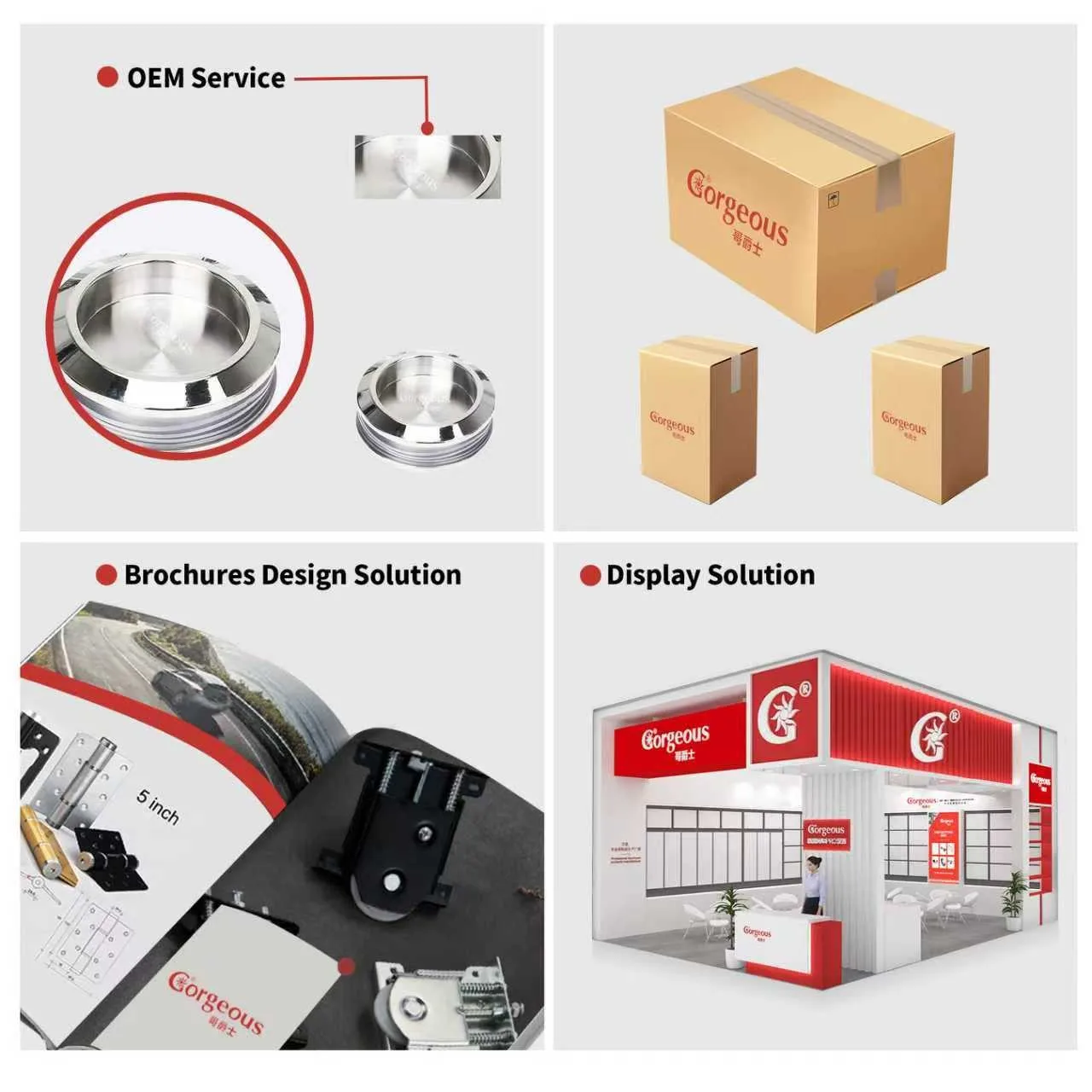
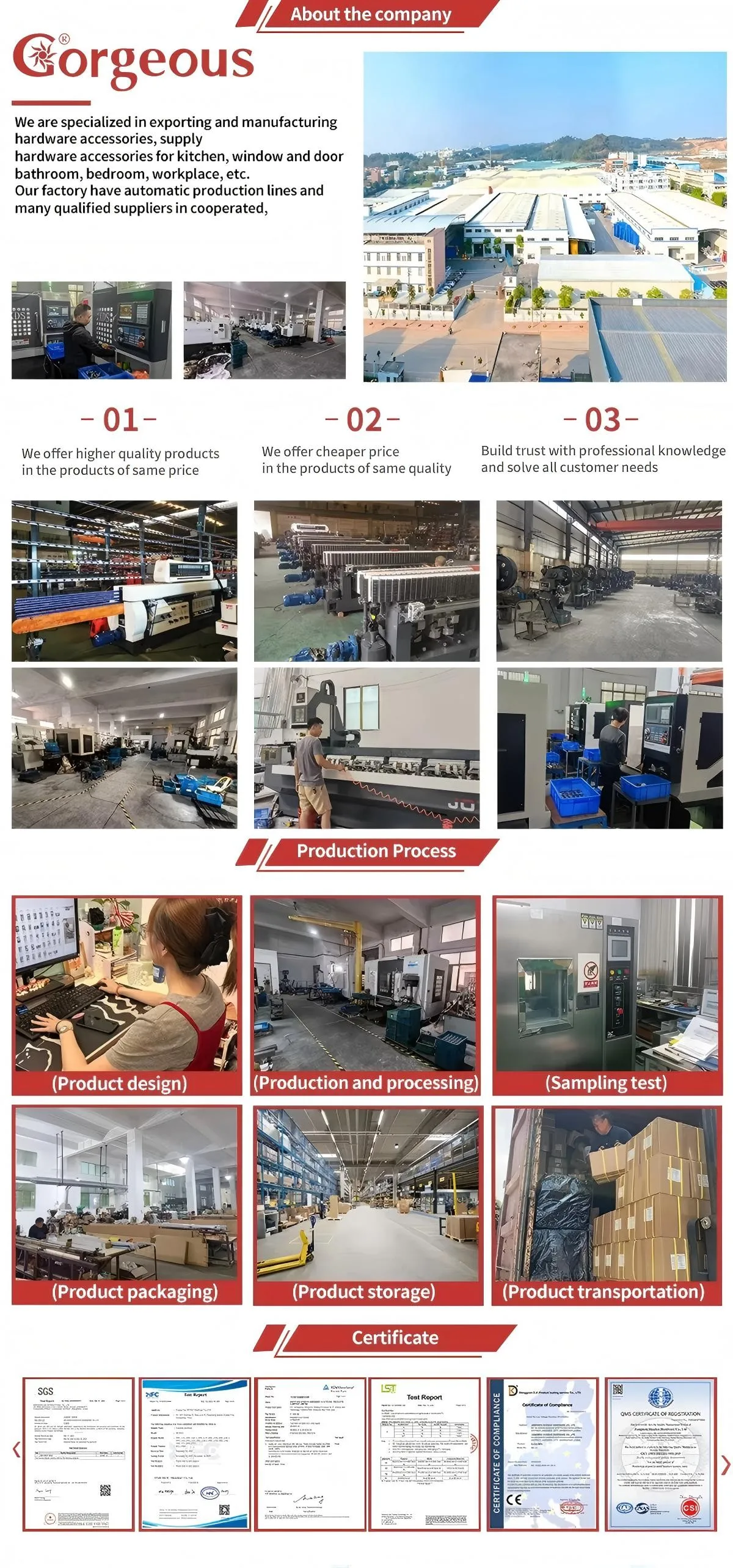
This plastic corner brace with cover cap is supplied by Guangzhou Gorgeous Intelligent Technology Co., Ltd., a furniture and architectural hardware business whose range covers hinges, drawer slides, handles, stays, legs, castors, locks, corner brackets, connecting plates and the fittings that hold panel furniture together. The company works to export orders: quantity, colour, screw specification, packing, carton marking and shipping documents are agreed before production rather than after it. For a moulded part the colour is part of the tooling, so it is agreed with the model number and checked against a master sample, which is the only way a second order can be guaranteed to match the first.

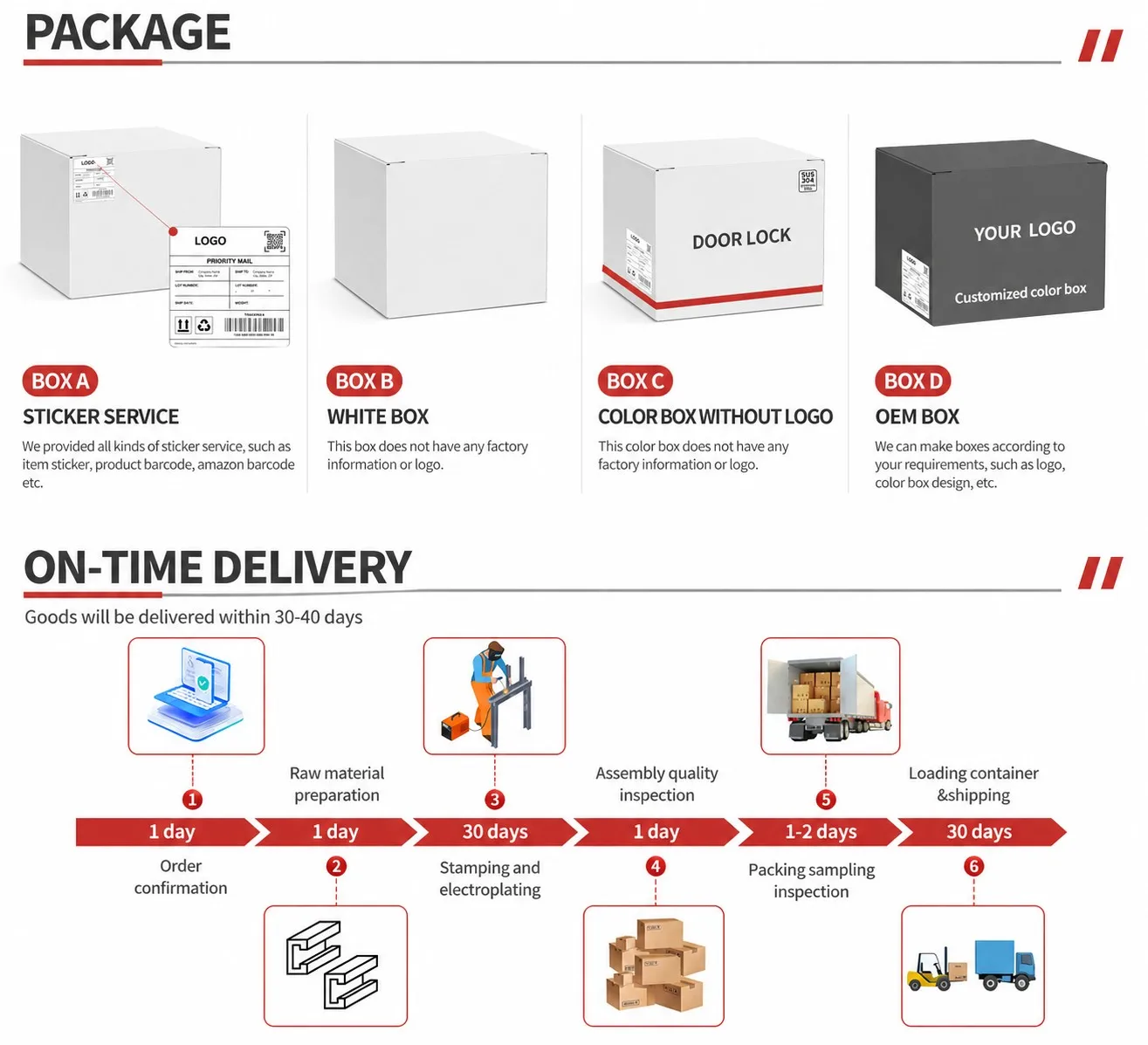

Send the model number K4214-P41 with the number of pieces, the colour or colours, the screw specification and the destination port, and confirm the 42 and 20 millimetre figures against the drawing at the same time. Samples are available before a production order so a brace can be screwed into a real carcass corner and the cap worked on and off, which is the fastest way for both sides to agree that the cap sits flush and that the wells take the screws without cracking. The drawing, the packing list and whatever test documentation we hold for K4214-P41 are issued on request, and delivery and payment terms are agreed order by order on the proforma rather than assumed from a previous order.


Comprehensive score