


Plastic Corner Connector with Lid Double Cabinet K4212
The K4212 Corner Connector With Lid In Thirty-Five Photographed Positions

Thirty-five frames were shot for this corner connector with lid, and between them they show the part in black, brown and white, in single and twin pocket form, with the lids open and shut. The set is long because the connector is small and one frame cannot carry both the outside and the inside: the frames with the lid shut show what a customer sees, and the frames with the lid open show what a fitter works with.
What those frames show is a single moulding rather than an assembly. The body is a squared block with a screw pocket moulded into it, the lid is joined to the body by a thin living hinge, and the lid closes flush so that a fitted connector does not catch on a shelf. In the double version the body carries two pockets side by side and takes two screws, which is the version used where a corner has to hold against a load rather than just stay closed.
That is the difference between a connector and a bracket, and it is worth stating because the two are sold side by side. A bracket is fitted and stays visible; this connector is fitted and then covered, and its job is to pull two panel edges together rather than to brace an angle that is already square. The lid is what makes that possible in furniture that people look at, because a connector with the screw heads showing in a wardrobe costs the same as one with the lid and looks unfinished.
Body, Pocket And Lid
| Part | What it does | Where it shows on the frames |
| Block body | sits into the inside corner and bears on both panel faces | every frame |
| Screw pocket | moulded chamber the screw pulls against; single or twin | visible with the lid open |
| Living-hinge lid | closes over the pockets and finishes flush | open in the standing frames, shut in the group frames |
| Colours | moulded to match the carcass | black, brown and white across the frames |
The body of the connector is what carries the joint, and it carries it in compression. The screws pull the two panel edges together; the body then has nowhere to go, so the corner stops opening. That is why a connector of this size can hold a cabinet corner without any steel in it, provided the panels are board and the joint is not expected to carry a shelf of books.
The pocket is the part to look at when a connector is being judged. It has to be deep enough that a screw of the agreed length does not bottom out, and thick enough that a clutch gun does not crack the moulding. On the frames with the lid open the pocket is a solid chamber rather than a thin ring, and the twin version shows two of them separated by a moulded web, which is what stops the screws pulling the body out of square.
The lid is a living hinge moulded as part of the body. It is pressed shut by thumb, it clips on both sides, and it sits level with the top of the body. A lid that stands proud is the commonest complaint on this kind of connector, because it catches a drawer or shows as a line in a finished cabinet, so the frames with the lids shut are the ones to read before a colour is chosen.
Single Pocket Or Twin Pocket

The frames show the connector in two forms and the difference matters more than the colour. The single-pocket connector takes one screw and is used where a corner only has to stay closed: a drawer box, a back panel return, a light carcass. The twin-pocket connector takes two screws side by side and is used where the corner has to hold against a pull, which on a wardrobe or a kitchen carcass is usually the case.
Two screws in a connector do a different job from one. A single screw lets the body rotate about that screw if the panels are moved; two screws stop that rotation, so the corner stays square while the carcass is being stood up and shifted. That is why the twin version is the one sold for cabinet assembly and the single version is sold for light boxes and repairs.
Neither version carries a published load figure, and that is normal for a moulded connector: the capacity depends on the board, the screw and the fit rather than on the part alone. What can be said from the frames is what is moulded: the walls, the web between the pockets, and the depth of the chamber. Those are the things that decide whether the joint lasts, and they are all visible.
The Names This Connector Sells Under
A connector of this kind is bought under several names and three of them are used here. It is a corner connector with lid when the lid is the point, because the lid is what separates it from a plain corner block that leaves the screws showing. It is a double corner connector when the twin pockets are the point, which is how the cabinet trade orders the heavier version. And it is a corner joining block when the block is the point, which is the name used in the caravan and shop fitting trades for the same part.
All three names point at the same moulding, and a buyer sent one of them will recognise the part from the picture. What is worth confirming before an order is whether the connector quoted has one pocket or two, because the two look alike in a photograph and behave differently on site. The twin version shows a web between the pockets with the lid open, and that web is the quickest way to tell them apart.
The connector is quoted with its colour and its pocket count, because both are moulded into the part and neither can be changed afterwards. That is also the order in which a consignment is checked on arrival, and the order in which a corner that has come loose can be faulted.
Where A Corner Connector With Lid Is Used
The commonest place is a cabinet or wardrobe carcass, where two panels meet and the connector goes in from the inside with the lid covering the screws. The second is a drawer box, where the single-pocket version is small enough to sit behind the base and light enough not to change the balance of the box. The third is a shelf frame or a back panel return, where the connector holds a thin panel against a thicker one and the lid keeps the joint tidy.
It is also used outside domestic furniture. Shop fitting panels, exhibition plinths, caravan and campervan cabinets, and the corner of a light plywood box all use the same connector, and in those places the lid earns its keep twice because the inside of the joint is on show. A van fitter who has to open a cupboard door and see a clean corner is buying the lid as much as the connector.
The limits are worth stating. This is a light duty connector: it holds a corner, it holds a back panel, and it holds a small box square. It does not replace a cam and dowel joint in a panel that carries weight, and on a loaded shelf it supplements a mechanical joint rather than standing in for one. Where the joint matters structurally, the twin-pocket version is the one to specify.
Lid Open Or Lid Shut: What The Frames Show

Some frames show the connector with the lid shut and those are the ones a buyer should study, because they are the view a customer will have. With the lid closed the connector reads as a small coloured block in the corner, the hinge line is the only clue that it opens, and the pockets are hidden. On a white carcass a white connector is nearly invisible, which is the point of moulding it in three colours rather than one.
With the lid open the same connector reads as a fixing, and it is obvious where the load path runs. That is the view a fitter needs, and it is also the view that shows why the lid has to be a hinge rather than a loose cap: the lid stays with the connector while the screws are driven, so there is nothing to hold and nothing to drop into a carcass.
In the hand the connector is light and slightly flexible, with a hinge line that can be felt. It clicks shut, it stays shut, and it can be opened again with a fingernail. That combination is what a distributor is really buying when an order is placed.
Short Answers On This Connector
- Connector form: one moulding, body and hinged lid together.
- Connector pockets: single or twin, moulded into the body.
- Connector colours: black, brown and white.
- Connector duty: light, for holding a corner rather than carrying a shelf.
- Connector packing: counted by the set, with the screws agreed separately from the connector.
- Connector drawing: issued with the order, since the frames in this batch carry no printed figures.
What A Connector Does That A Bracket Cannot
A bracket and a connector are often sold from the same shelf and they are not the same part. A bracket is screwed to two panels that are already square and it stops them moving; the bracket is seen, and its job ends when the screws are tight. A connector pulls the two panels into square, the connector is then hidden under its lid, and the connector keeps working for as long as the joint exists. On a flat-pack carcass that distinction is the whole design: the connector is what makes the corner close, and the bracket is what a repair uses when the corner has already failed.
That is also why the connector is moulded rather than folded. A folded metal bracket is cheap and strong, but it cannot carry a lid, and a connector without a lid is a connector that shows its screws. The moulding costs more per part than a pressing, and it buys the lid, the colour and the pocket in one operation, which for furniture that people open and look inside is the part that matters.
Fitting A Connector Into A Carcass
The connector is fitted after the two panels are offered up and before the carcass is finally tightened. The panel faces are marked, pilot holes are drilled through the first panel only, and the connector is screwed through its pockets with the lid open. The second panel is then drawn against the connector, the corner is checked for square, and only then is the lid closed. Fitted in that order the connector needs no rework; fitted with the lid already shut it usually has to come off again, which is why the frames on this page show the connector in both states.
On a production line the connector is driven with a short clutch setting and the lid is pressed shut by the same hand, so a carcass corner takes a few seconds. That speed is the reason the connector is moulded rather than assembled: a connector built from a block, a cap and a separate pocket costs more in handling than it costs in material.
Where the twin-pocket connector is used, the two screws are driven alternately rather than one after the other. Driving one screw fully first pulls the connector out of line and the second pocket then has to fight the body, which is how a connector ends up with a cracked web. Alternating the screws keeps the connector square and is the single most useful thing to tell a new fitter about this part.
Questions A Buyer Asks About This Connector
- What are the dimensions? Not printed on any frame in this batch; the connector is quoted from the drawing against the order rather than from a figure on a photograph.
- Is the lid separate? No, it is a living hinge moulded with the body, so the lid cannot be lost.
- How many screws? One in the single-pocket version, two in the twin-pocket version.
- What colours are there? Black, brown and white across the frames.
- Does the lid sit flush? Yes, it closes level with the body so it does not catch on a shelf.
- Which version do I need for a cabinet? The twin-pocket version, because two screws stop the body rotating while the carcass is squared.
- Is it strong enough for a shelf? It holds a corner, not a loaded shelf; a loaded joint wants the twin version or a mechanical joint as well.
- Can it be refitted? The screws can be taken out and the connector refitted, though a moulding driven twice holds less well.
- Is it a bracket or a connector? A connector: it pulls two panels together rather than bracing an angle.
- What is the load rating? Not stated in this batch; it is a cabinet assembly part, not a rated one.
Checks Before A Connector Goes Into A Corner
A connector this small is easy to fit badly, so these are the checks that decide whether the corner stays tight.
- Corner checked for square before the connector goes in, because a connector holds an angle rather than pulling one square.
- Panels offered up dry, so the connector is seen to sit on both faces without rocking.
- Pocket depth checked against the screw length, so the screw does not bottom out and split the moulding.
- Screws driven until the connector is drawn down, not until the body distorts.
- Lid worked open and shut on the bench, so a stiff hinge is found before it is inside a carcass.
- Twin version checked for both pockets being open before driving, since a blocked pocket is a screw that will not seat.
- Colour checked against the panel in daylight, because brown and black read alike under a workshop lamp.
- Connector counted against the pack, since a carcass corner takes one and a drawer box takes four.
- Joint re-checked after a week, because a single screw shows a loose connector quickly.
Who Supplies This Connector
This corner connector with lid is supplied by Guangzhou Gorgeous Intelligent Technology Co., Ltd., a furniture and architectural hardware business whose range covers hinges, drawer slides, handles, stays, legs, castors, locks, corner brackets, connecting plates and the fittings that hold panel furniture together. The company works to export orders: quantity, colour, pocket count, screw specification, packing, carton marking and shipping documents are agreed before production rather than after it. For a moulded part the colour and the pocket count are part of the tooling, so they are agreed with the model number and checked against a master sample, which is the only way a second order can be guaranteed to match the first.

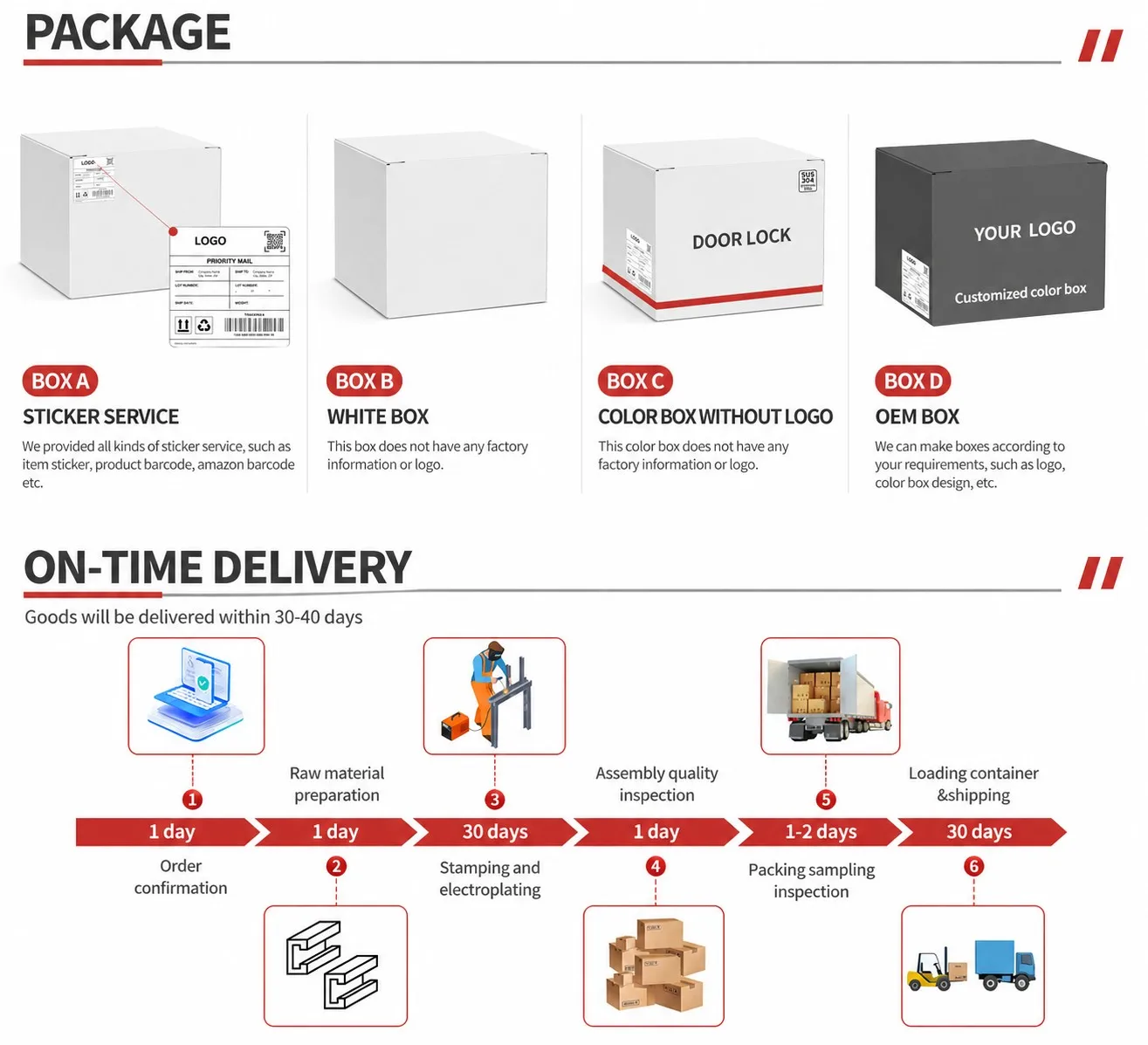
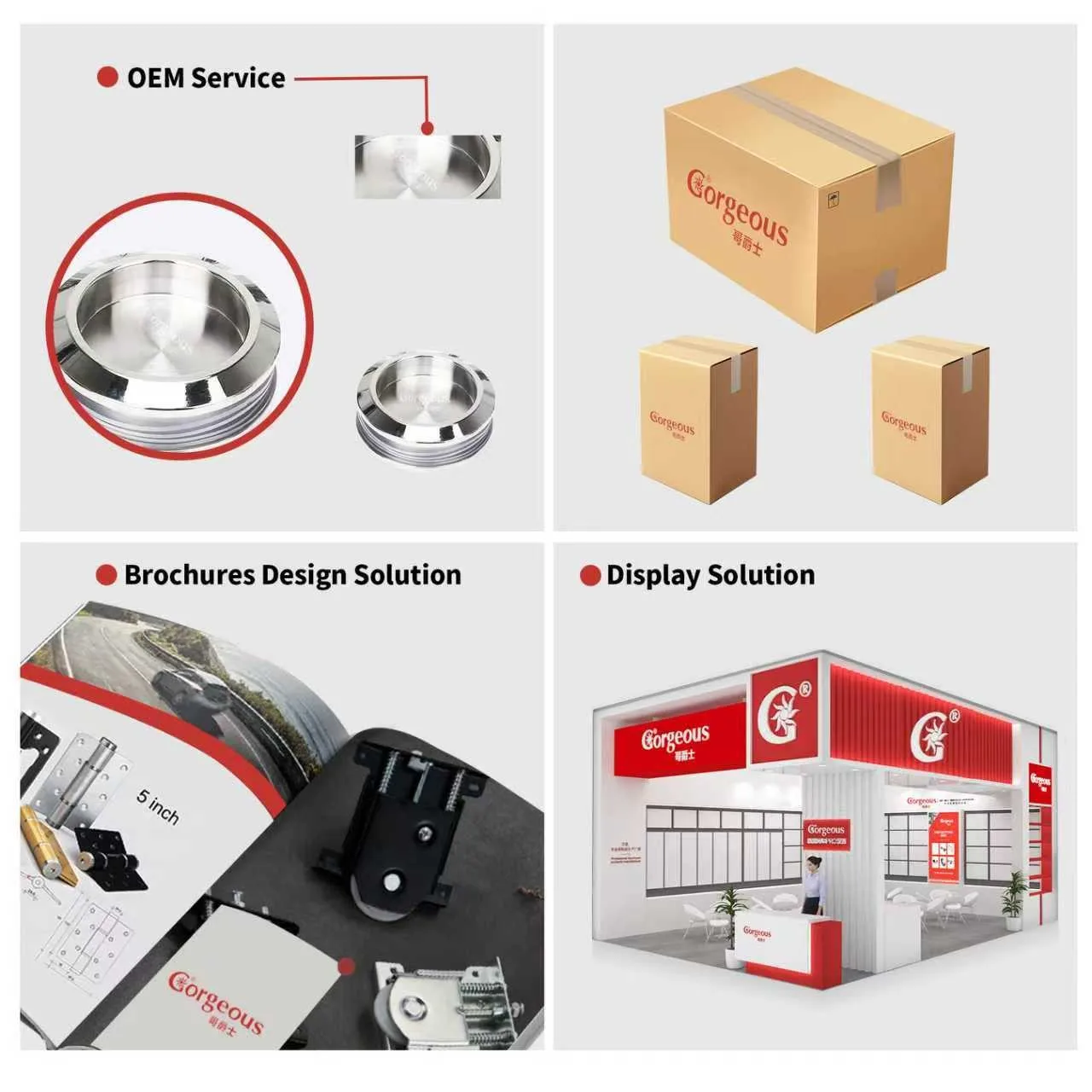
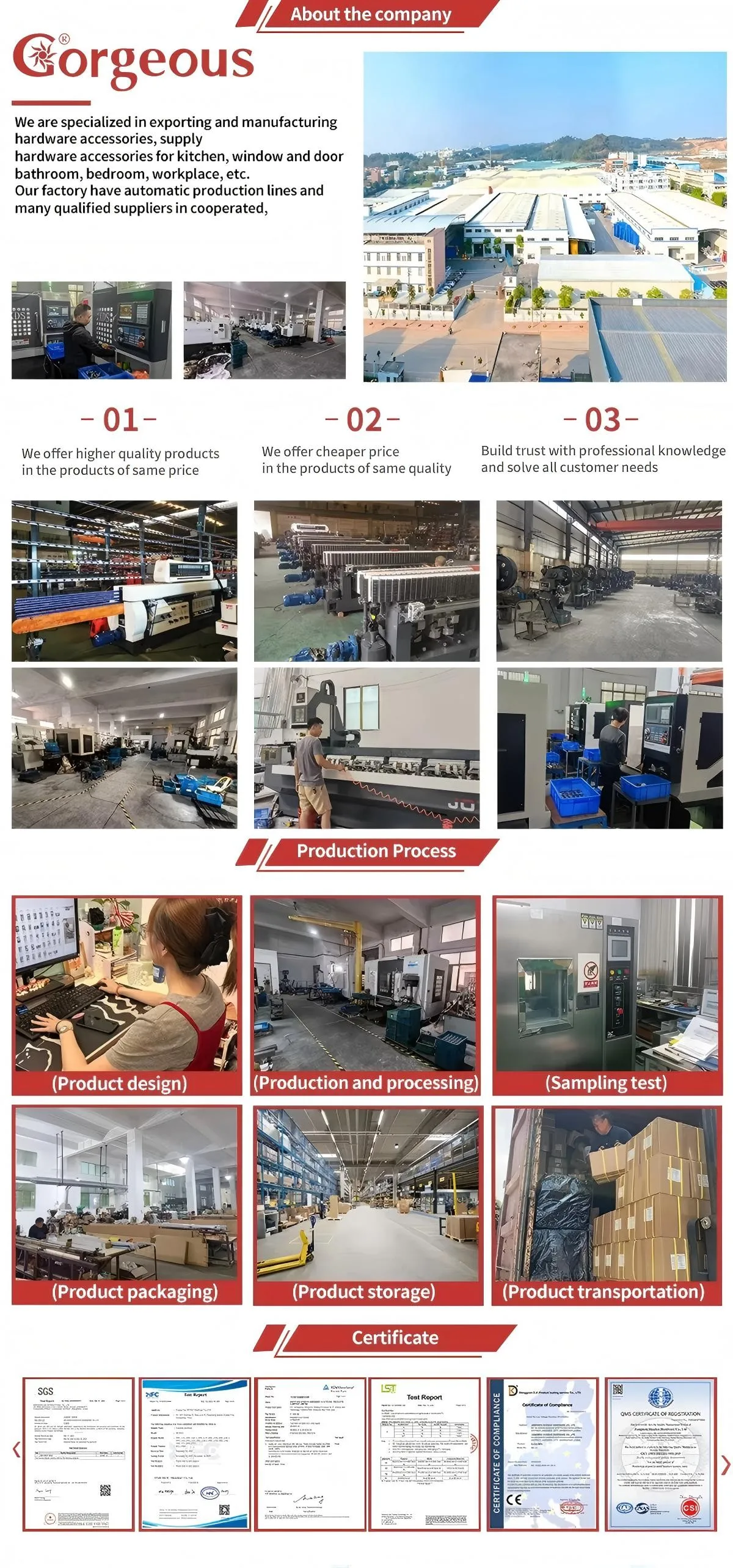

Send the model number K4212 with the number of pieces, the colour or colours, whether the single or twin pocket version is wanted, the screw specification and the destination port. Samples are available before a production order so a connector can be screwed into a real carcass corner and the lid worked open and shut, which is the fastest way for both sides to agree that the lid sits flush and that the pockets take the screws without cracking. The drawing, the packing list and whatever test documentation we hold for K4212 are issued on request, and delivery and payment terms are agreed order by order on the proforma rather than assumed from a previous order.


Comprehensive score