


26mm Mini Cup Cabinet Door Hinge Nickel Plated - F724
Product Overview — F724 26mm Mini Cup Cabinet Door Hinge
TheF724 26mm mini cup cabinet door hinge is a compact slide-on furniture hinge engineered for frameless and slim-frame cabinet doors where a standard 35mm hinge cup cannot be drilled. Machined from cold rolled steel plate (Q195–Q235) with a nickel plated finish, this 26mm mini cabinet hinge delivers the same reliable door support as a full size cabinet hinge while reducing the required cup diameter by 9 mm and the drilling depth to only 10 mm. It is the correct specification for thin door panels, lightweight furniture fronts, display cabinets, sanitary bathroom joinery, RV and marine cabinetry, and any application where the door stock is too narrow or too shallow for a conventional 35mm furniture hinge.
Like every hinge produced by Guangzhou Gorgeous Intelligent Technology Co., Ltd., the F724 is a two-part system: a hinge cup pressed into the door and a mounting base fixed inside the carcass, joined by a clip-on arm that can be released without tools for door removal and cleaning. The arm offers three overlay geometries — full overlay straight arm (0 mm), half overlay cranked arm (9 mm) and inset full cranked arm (18 mm) — so a single mini cup hinge tooling family covers the whole door line. Side fixing screws and the base are supplied matched to the base type, and the 38 mm hole distance keeps the F724 compatible with standard 26 mm cup drilling templates used by panel-processing machinery worldwide.

F724 26mm mini cup cabinet hinge — front elevation showing hinge cup, clip-on arm and two hole base
Why Choose a 26mm Mini Cup Hinge Instead of 35mm
A conventional cabinet hinge requires a 35 mm diameter bore at 11.5 mm depth, which in practice forces a minimum door edge distance of about 3–4 mm plus a door thickness of 12 mm or more. On narrow rails, shaker-style thin fronts, 10 mm MDF, plywood craft doors, aluminium framed glass doors and thermoformed PET doors that geometry simply does not exist. The F724 26mm mini hinge solves this with a 26 mm bore and a 10 mm depth, leaving usable material around the cup and allowing the hinge to be seated in doors that would otherwise split or break through when drilled with a 35 mm cutter.
The smaller cup also lowers shipping volume per thousand pieces and reduces the load spread requirement on particle board doors, because the compact base of this mini cabinet hinge is designed with oval slotted holes that let the load distribute across the strongest grain area near the door edge. For OEM furniture factories consolidating SKUs, standardising on a 26 mm cup family removes a second drilling station, cuts changeover time, and keeps one spare-parts inventory across several door models.
Key Features and Benefits
- 26 mm mini cup diameter — fits thin and narrow door stock that cannot accept a 35 mm bore; drilling depth only 10 mm.
- 38 mm hole distance — matches standard 26 mm cup drilling templates, so existing CNC and multi-spindle boring machines need no re-tooling.
- Cold rolled steel construction (Q195–Q235) — high tensile plate pressing gives stable hinge-arm geometry and consistent clip-on tension through repeated door cycles.
- Nickel plated surface — uniform plating thickness across the cup wall and arm, resistant to fingerprints and mild humidity, and a neutral appearance that matches both dark and light hardware.
- Three overlay options — full overlay straight arm 0 mm, half overlay cranked arm 9 mm and inset full cranked arm 18 mm from the same furniture hingetooling.
- Clip-on (detachable) assembly — door lifts off the base without unscrewing, which shortens installation, site adjustment and after-sales service.
- Three-dimensional adjustment — side-to-side and depth adjustment screws on the base allow front alignment of 0–5 mm after the door is hung.
- Smooth 95–105° swing — optimised knuckle clearance prevents the squeal and stick found on low grade cabinet hinges with stamped thin plate links.
- OEM / ODM accepted — logo stamping on the cup, custom plating colour, custom packaging and neutral bulk packing for hardware brands and importers.
Technical Specifications
| Parameter | Value | |
| Product name | 1 | 26mm Mini Cup Cabinet Door Hinge |
| Model number | 2 | F724 |
| Category | 3 | Furniture Fittings > Furniture Hinges |
| Cup diameter | 4 | 26 mm (mini cup, not 35 mm) |
| Cup drilling depth | 5 | 10 mm |
| Hole distance (cup to cup) | 6 | 38 mm |
| Material | 7 | Cold rolled steel Q195 / Q215 / Q235 |
| Surface finish | 8 | Nickel plated (standard); custom plating on request |
| Arm types | 9 | Full overlay 0 mm / Half overlay 9 mm / Inset 18 mm |
| Opening angle | 10 | 95–105° |
| Suitable door thickness | 11 | 12–18 mm (thin-door capable from 10 mm by project) |
| Mounting base | 12 | Two-hole compact base, oval slotted fixing holes |
| Assembly type | 13 | Clip-on / detachable (tool-free door removal) |
| Origin | 14 | China |
| Sample | 15 | Available, freight collect for first cooperation |
All dimensions above are manufacturing reference values for the F724 26mm cabinet hinge. Drill and edge-distance drawings are supplied as a PDF template with every confirmed order, and we recommend one sample door trial before full production drilling on your machinery.

26 mm mini cup shown face-on — the reduced bore wall is the reason this mini hinge fits thin doors
Arm Geometry — Full Overlay, Half Overlay and Inset
| Arm type | Overlay | Door position | Typical use |
| Straight arm / full overlay | 0 mm | Door covers the full side panel | Single doors, end cabinets, wardrobes |
| Cranked arm / half overlay | 9 mm | Two doors share one side panel | Run-of-the-mill kitchen base and wall units |
| Full cranked arm / inset | 18 mm | Door sits inside the carcass opening | Inset furniture, reproduction joinery, retail fixtures |
Selecting the correct overlay is the single most common source of returns on cabinet hinge orders, so every F724 quotation is confirmed against a door elevation drawing before production. If you are converting an existing 35 mm door design to this 26 mm mini cabinet hinge, send us the front elevation and panel thickness and our engineering team will confirm the overlay, the edge distance and the screw pattern at no charge.
Material, Plating and Corrosion Resistance
The F724 26mm mini cup hinge is pressed from cold rolled steel strip. Cold rolling gives a tighter thickness tolerance than hot rolled stock, which matters because a hinge knuckle is an interference fit: too much plate variation and the swing becomes either loose and noisy or stiff and jerky. Our incoming material is verified for hardness and coating weight before it enters the progressive die line, and each pressing batch is sampled for cup-wall roundness so the 26 mm bore stays concentric with the arm axis.
The finish is a nickel plating layer over a copper undercoat on the visible surfaces. Nickel is chosen for this furniture hinge because it accepts fingerprints and handling marks far less visibly than chrome, takes a consistent colour across the cup, arm and base (an important point when the three parts are plated in separate racks), and provides a stable base if the buyer later specifies a coloured top coat such as black nickel, bronze or gold. For coastal or high-humidity markets we recommend a salt-spray verified plating build-up, and we can quote a zinc plus nickel double layer for orders destined for marine, RV or bathroom cabinet programs.
Installation Procedure
- Mark the cup positions. Set out the door with the hinge spacing planned so the top and bottom hinges sit 100–150 mm from the corner; add intermediate cabinet hinges for doors taller than 1,000 mm.
- Drill the 26 mm bore. Use a sharp 26 mm Forstner or hinge-boring bit at 10 mm depth. Set the depth stop before the first hole — a shallow bore leaves the cup proud and the door will not close square.
- Check the edge distance. The standard dimension from the door edge to the cup centre keeps the bore wall intact; do not move the cup closer to the edge to compensate for bad marking.
- Seat the hinge cup. Press the F724 cup into the bore by hand, then fasten with the two supplied ø3.5 mm self-tapping screws through the cup fixing holes.
- Fix the mounting base. Position the two-hole base on the carcass side panel using the front set-out line, and screw it with the matching ø3.5 mm screws into the pre-marked oval slots so lateral adjustment remains available.
- Clip the door on. Align the arm over the base and press until the release clip engages; you will feel positive seating.
- Adjust in three axes. Turn the side adjustment screw for parallel gap, the depth screw for door-to-carcase contact, and loosen the base screws slightly for vertical height if required.
- Cycle test. Open and close the door ten times; the swing of a correct 26 mm mini hinge should be even from closed to full 95–105° with no rising noise at the end of travel.

Side elevation of the clip-on arm and adjustment screw — door removal is tool-free
Applications
- Kitchen wall units and base units with thin PET, acrylic or lacquered fronts
- Wardrobe and closet doors in flat-pack furniture programs
- Bathroom vanities and sanitary cabinet joinery where the panel is only 12 mm
- Office furniture, lockers, medical cabinets and laboratory casework
- Retail display fixtures, showroom cabinets and museum joinery
- Caravan, RV, boat and mobile-unit cabinetry with narrow rail widths
- Aluminium-framed glass door cabinets using a 26 mm glass door hingeset-out
- Replacement hinge for imported furniture originally built to a 26 mm cup standard
OEM, ODM and Wholesale Programme
Guangzhou Gorgeous Intelligent Technology Co., Ltd. supplies furniture hinges and cabinet hardware to importers, wholesale distributors, flat-pack furniture factories and kitchen brands. For the F724 26mm mini cup hinge we support: your logo stamped or laser-marked on the cup and arm; customised plating colour and salt-spray grade; alternative screw packages matched to particle board, MDF or solid timber; customer artwork on blister, colour box, or bulk inner-box packing; barcode and retail shelf-ready packaging for chain-store programs; and neutral packing for distributors who re-brand.
Tooling ownership is respected: private moulds developed for a customer are never sold to a third party, and drawings are handled under NDA on request. New buyers normally start with a mixed sample kit covering full overlay, half overlay and inset arms so the door trial can be completed on one shipment.
Quality Control
- Incoming material check — steel grade, strip thickness and hardness per heat lot.
- Pressing inspection — cup bore diameter, bore depth, flange roundness and arm flatness on a sampling plan.
- Plating test — coating thickness, adhesion cross-cut and colour consistency between cup, arm and base.
- Corrosion test — neutral salt spray sampling against the specified protection grade.
- Cycle test — automated open-close cycling of the clip-on joint and knuckle; we log cycles to failure for each batch type.
- Assembly torque test — screw hole pull-out and adjustment-screw torque verification.
- Pre-shipment inspection — AQL sampling on packing, quantity, accessory completeness and appearance; third-party inspection is welcome.
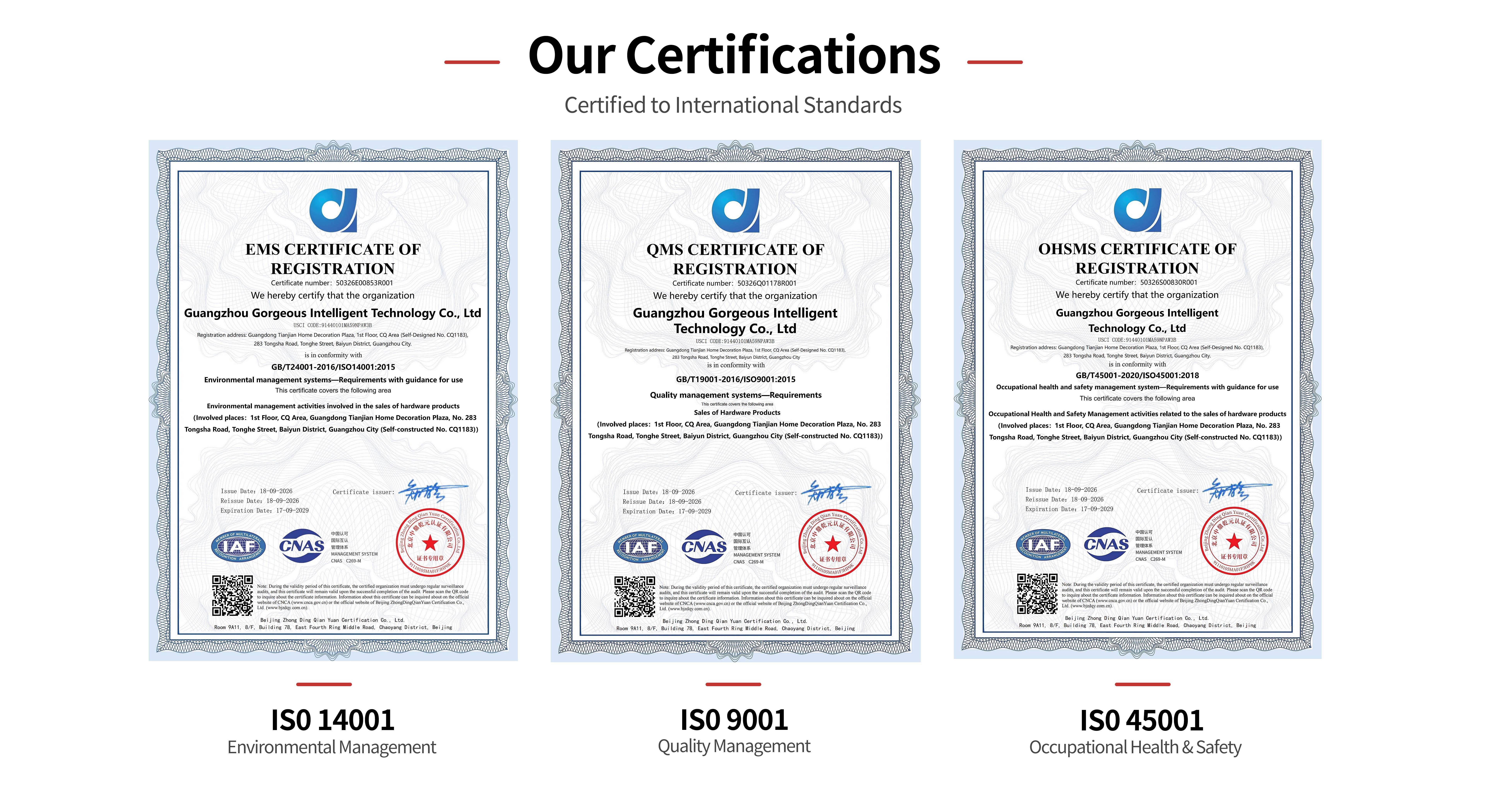
Quality system certification covering hinge and furniture fitting production
Packaging and Delivery
Standard packing for the F724 mini cabinet hinge is one hinge plus one two-hole base plus screws per polybag, 10 bags per inner box, and 100 pieces per export carton, with desiccant and a corrugated outer rated for ocean freight. Bulk loose packing, colour box, blister card and custom carton markings are all available. Carton quantities are optimised for 20GP and 40HQ container loading, and we provide the packing list with cube and gross weight at quotation stage so your freight forwarder can plan consolidation without guessing.
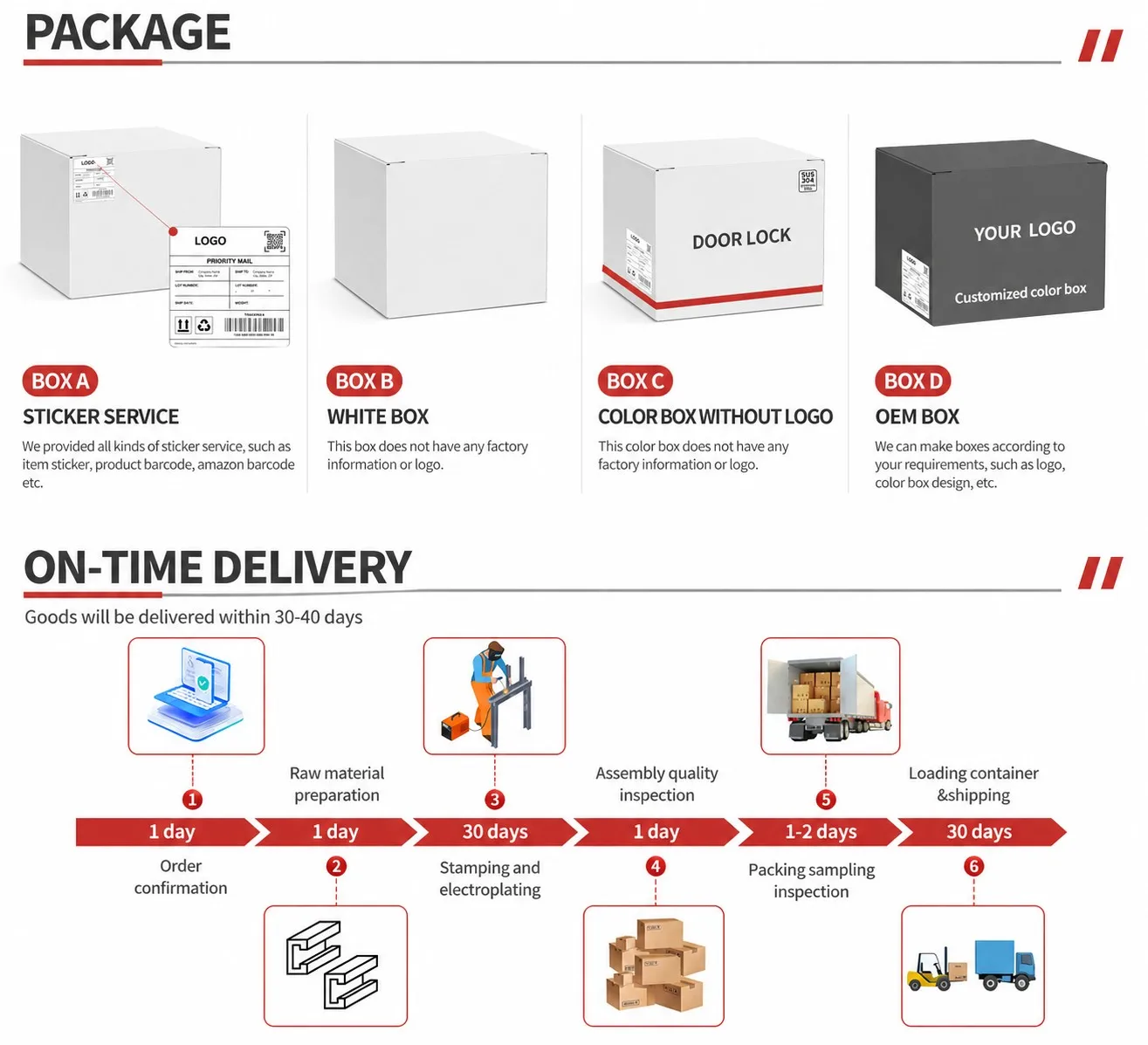
Export packing and container loading preparation
Manufacturing Capability
Our production base runs progressive-die pressing, robotic welding cells, automated plating lines and CNC machining for the hardware families we supply, including cabinet hinges, drawer slides, handles, legs, castors and architectural stainless fittings. This mix lets us bundle a complete furniture-fitting package on one shipment, which reduces your consolidation cost and keeps the hardware set visually consistent across a project.
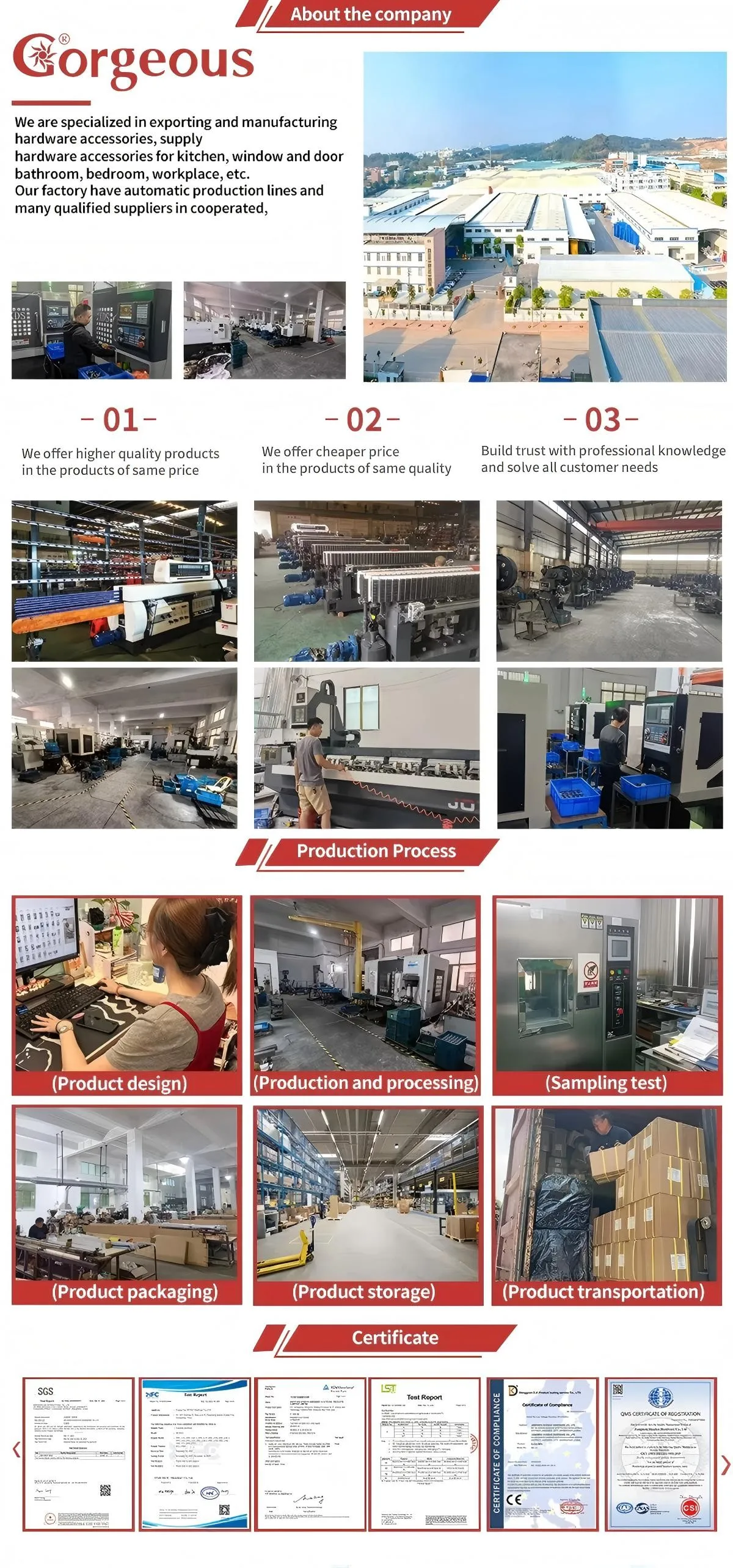
Production and CNC workshop
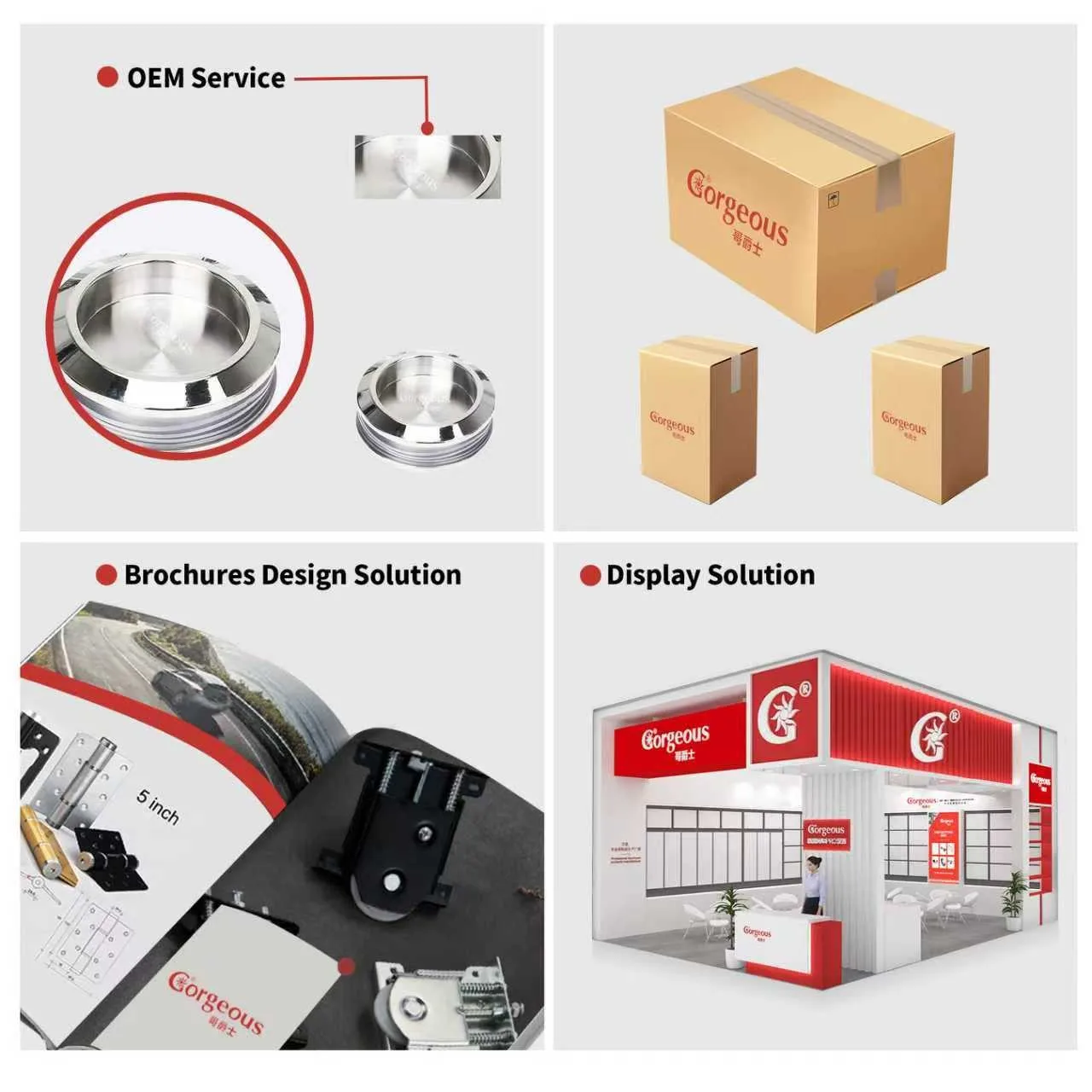
OEM / ODM development for hardware brands and furniture factories
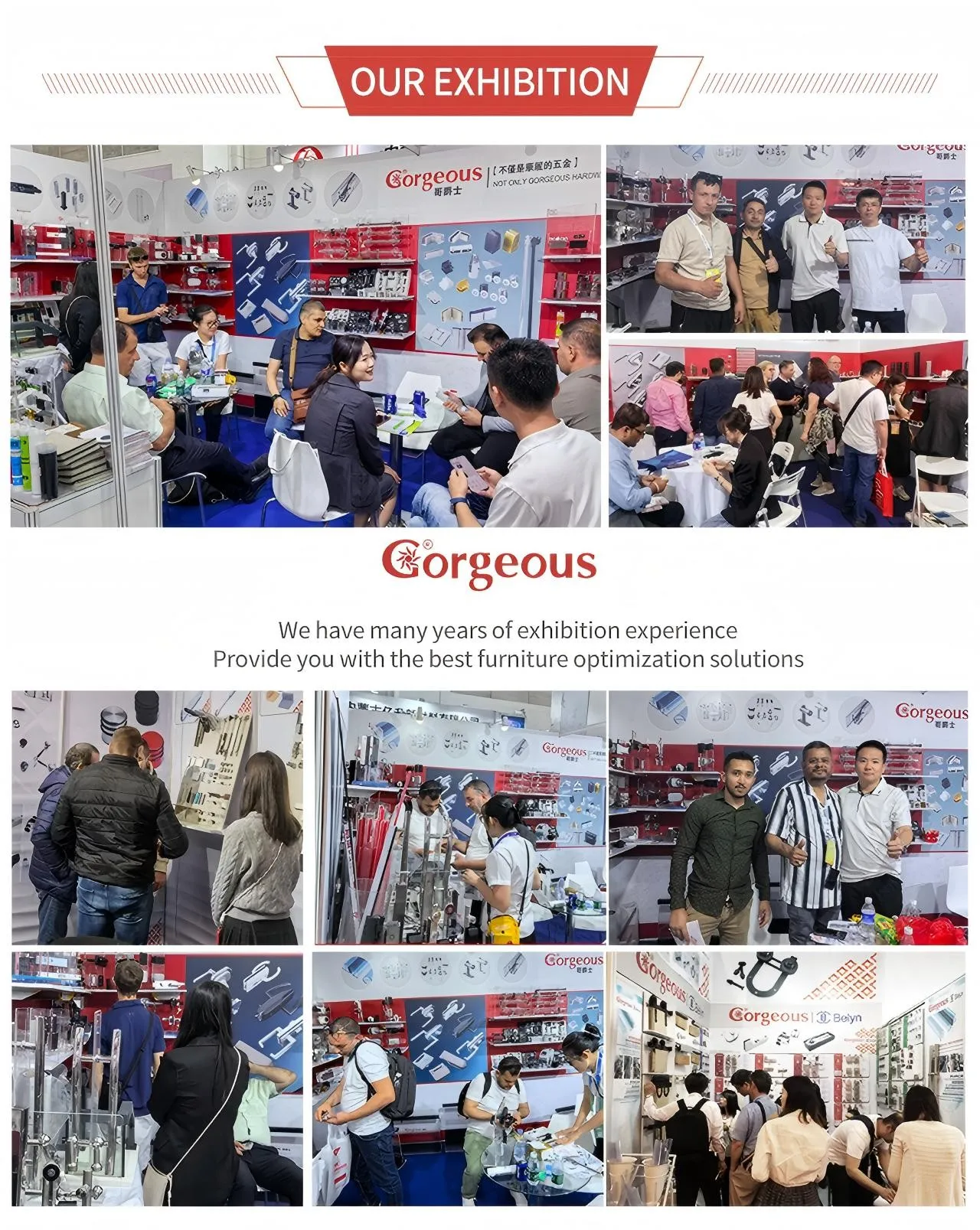
Meeting buyers at international furniture and building-materials exhibitions
Frequently Asked Questions
Q1. What is the difference between the F723 and the F724 26mm mini cup hinge?
Both use a 26 mm cup with 10 mm drilling depth and 38 mm hole distance. The F724 differs in the arm geometry and base combination, so choose by the overlay you need and by whether your carcass side panel uses the two-hole compact base. Send a door elevation and we will confirm which of the two 26mm cabinet hingesfits.
Q2. Can the F724 replace a 35mm hinge on my existing doors?
Only if the door can accept a 26 mm bore in the position where the old 35 mm cup was drilled. Re-drilling into an existing 35 mm bore will not hold screws. The F724 is designed for new door panels, thin stock, and replacement into furniture originally built to the 26 mm mini hingestandard.
Q3. What door thickness works with this hinge?
Recommended 12–18 mm. Doors down to 10 mm can be engineered by reducing the bore depth specification and confirming screw length, but this must be approved on sample first because screw hold becomes the limiting factor for a 26 mm cabinet hinge.
Q4. Is a soft-close or hydraulic damper available on the 26mm cup?
The F724 is supplied as a standard slide-on furniture hinge. If your project requires a damped close within a 26 mm cup, tell us the door weight and height; we will confirm whether an inline damper or one of our hydraulic models in the 35 mm range is the more reliable route.
Q5. What is the sample and lead-time policy?
Samples are available for freight collect so you can trial the 26 mm bore on your own machinery. Bulk lead time depends on quantity and on whether custom plating or packing is specified; we quote the confirmed date against your purchase order rather than a generic range.
Q6. How do you prevent hinge cup cracking in particle board doors?
By controlling the bore diameter tolerance and by supplying the correct screw gauge for chipboard. We also recommend pre-driven screws at factory for flat-pack programs, which removes the over-torque risk at the customer's assembly bench on any mini cup hinge.
Contact and Next Steps
If your project needs a compact 26mm mini cup cabinet door hinge in cold rolled steel with nickel finish, the F724 is stocked for sample dispatch and tooled for volume production. Send us the door material, door thickness, door weight, required overlay and annual quantity, and we will return a quotation with the drilling template, screw specification, packing data and container loading plan for this 26mm cabinet hinge together with matching cabinet hinges from the wider furniture-hinge range.
How Many Hinges Does Each Door Need
Hinge quantity is decided by door height and door weight, and the same rule applies to this 26mm cabinet hinge as to any other cabinet hinge. Use two cabinet hinges per door up to 1,000 mm of door height. Add a third cabinet hinge between 1,000 and 1,500 mm, a fourth cabinet hinge between 1,500 and 2,000 mm, and a fifth cabinet hinge for doors above 2,000 mm or heavier than 12 kg. Because a 26 mm mini cabinet hinge has a smaller cup than a 35 mm cabinet hinge, we advise adding one extra mini hinge whenever the door is solid timber, glass-backed, or fitted with heavy integrated handles, since the extra hinge spreads the cantilever load across more screw fixings.
Spacing matters as much as count. Set the top hinge and the bottom hinge 100–150 mm from the door corner so the corner screws bite into sound material, then distribute the remaining cabinet hinges evenly. On tall wardrobe doors an intermediate hinge placed at mid-height prevents the mid-span bow that causes a door to foul the shelf in front. When you send us the door schedule we return a hinge schedule, showing the exact hinge count, the overlay of every hinge, and the screw type per panel material.
| Door height | Mini cabinet hinges | Notes |
| up to 600 mm | 2 | Standard two hinge set-out |
| 600 – 1,000 mm | 2 | Add a third hinge above 10 kg door weight |
| 1,000 – 1,500 mm | 3 | Three hinge set-out, 100-150 mm from corners |
| 1,500 – 2,000 mm | 4 | Four hinge set-out for full height wardrobe doors |
| above 2,000 mm | 5 or more | Confirm with us before ordering the hinge quantity |
Care, Handling and After-Sales
A nickel plated cabinet hinge needs no lubrication in normal dry service. Clean the hinge with a dry or lightly damp cloth; avoid abrasive pads, which scratch the plating on the hinge cup and leave a dull patch around the bore. In humid rooms, wipe the hinge knuckle dry if water collects after cleaning, and re-check the hinge fixing screws after the first months of use while the panel material is still settling. If a mini cabinet hinge begins to feel loose, tighten the base screws rather than the arm screws, because the arm is set at factory and the base carries the adjustment. For spare-part programs we recommend that distributors stock the hinge cup and the base separately, since door damage and carcass damage are supplied by different replacement hinges in the field.
All F724 cabinet hinges are supplied with the correct screws for the specified panel material, and every hinge is supplied in a matched pair set so that the cup, the hinge arm and the base come from the same production lot and share consistent tension. If any cabinet hinge in a delivered batch fails the cycle test on your assembly bench, photograph the hinge, keep the hinge and the packing label, and our after-sales team will confirm replacement in the next shipment.


Comprehensive score