


30 Degree Inset Cabinet Hinge Soft Close Or Standard - F729
F729 30 Degree Inset Cabinet Door Hinge
Hydraulic soft close or standard free swing · Nickel plated cold rolled steel · Manufacturer direct supply
Product Overview

TheF729 30 degree inset cabinet door hinge is a cranked cup hinge for doors that sit inside the cabinet opening rather than in front of it. An inset door has no overlay to hide behind, so the hinge arm has to curve around the face frame and still let the door close flat. The 30 degree crank is what makes that possible, and it is formed in the arm during pressing rather than added by the fitter on site.
Like the rest of our angled range, F729 is offered in two closing actions on one part family: the hydraulic soft close hinge, whose sealed piston controls the last part of the swing, and the standard free swing hinge without damper. The cup, the cranked arm and the mounting plate are shared, so a project can put soft close action only where it is worth paying for and keep the rest of the run on standard hinges with no visible difference.
Every hinge is stamped from cold rolled steel, nickel plated, and sampled against an inset-door jig before packing. The photographs show the hinge from both faces, including the plate side where the slotted adjustment holes are visible and the cup side where the damper body can be seen seated in the assembly.
What The 30 Degree Crank Does
Cabinet hinges are sorted by how much of the door covers the carcass side when closed. A straight-arm hinge carries a full-overlay door that hangs in front of the carcase. A medium crank is used when the door covers half the side. The 30 degree cranked hinge in this family is for the inset case, where the door sits back inside the opening and its edge is roughly flush with the frame.
In that position a straight arm cannot work: the arm would hit the frame before the door closes, or it would hold the door proud of the opening. The crank sweeps the barrel past the frame and brings the door back into the opening, so the door closes into the rebate instead of onto it. The depth of the crank also fixes the gap between door edge and frame, which is why an inset run must use one hinge type throughout rather than mixing cranks from job to job.
| Door position | Hinge arm | What the fitter sees |
| Full overlay door | Straight arm | Door hangs in front of the carcase side. |
| Half overlay door | Medium crank | Door covers part of the shared side. |
| Inset door in the opening | 30 degree crank (F729) | Door sits inside the frame, edge near flush. |
Frame width, door thickness and the required gap all change how much clearance the crank must provide. Send a section drawing with your enquiry and we will confirm the hinge before production rather than leaving it to be discovered during assembly.
Hydraulic Or Standard Closing Action
The damped and undamped versions of this inset hinge are the same component apart from the piston. With the damper fitted, the door is drawn closed under control and lands without a knock, which is what most kitchen buyers now expect. Without it, the hinge swings freely and is cheaper, suits rarely opened compartments, and is still the right choice on shallow utility doors.
Because both use identical drilling and the same plate, a mixed order does not create mixed preparation on site. Cartons are labelled by action, and the two versions can be installed by the same team on the same day without changing templates, screws or setting-out.
| Item | Hydraulic hinge | Standard hinge |
| Closing | Damped, self-closing in the final arc | Free swing, closed by hand |
| Noise | Quiet landing | Audible if pushed |
| Typical use | Kitchen, wardrobe, daily-use inset doors | Access panels, low-use compartments |
| Visible in cup | Dark sealed damper body | Bright steel only |
| Door boring | Identical | Identical |
| Mounting plate | Identical | Identical |
| Finish | Nickel plated | Nickel plated |
Damper strength is matched to the production batch, so heavy inset doors in solid timber should be quoted against a sample rather than against this page.
Key Features
- Inset-door geometry — the 30 degree crank carries the door into the opening, so an inset front closes flush without packing.
- Two closing actions — the same hinge is supplied as a hydraulic soft close hinge or as a standard free swing hinge.
- Sealed damper — the piston is enclosed in the cup assembly and acts only on the closing arc, leaving the opening effort light.
- Formed cranked arm — the crank is pressed in the strip, keeping the load path continuous instead of relying on a folded bracket.
- Cold rolled steel — stamped parts give repeatable arm section and hole positions across the whole order.
- Nickel plated surface — matched to the nickel hinges used on the overlay doors of the same furniture set.
- Slotted plate holes — round and slotted holes at the plate let the door be moved in, out and sideways before final tightening.
- Adjustment screw on the arm — the screw visible on the arm sets door-to-carcase distance without removing the hinge.
- Clip-on plate — hinge and plate engage positively, so door hanging is a two-person-job-free operation on site.
- OEM supported — cup marking, bag printing, screw choice and carton labelling are made to order.
Technical Specifications
| Parameter | F729 |
| Model | F729 |
| Hinge type | Cranked cup hinge for 30 degree inset cabinet doors |
| Closing action | Hydraulic soft close, or standard free swing, one part family |
| Door position | Inset door sitting inside the carcase opening |
| Arm | Pressed 30 degree crank with adjustment screw |
| Material | Cold rolled steel, stamped parts |
| Finish | Nickel plated, bright |
| Damper | Sealed piston in the cup assembly, hydraulic version only |
| Door cup | Round pressed cup with two fixing wings; boring depth confirmed against your template |
| Door plate | Cross-form plate with round and slotted holes, two fixings |
| Mounting plate | Two-hole clip-on plate, steel, plated with the hinge |
| Adjustment | Door-to-carcase at the arm screw; sideways and depth at the plate slots |
| Panel compatibility | Chipboard, MDF, plywood and solid timber fronts |
| Opening angle and load data | Issued on the current sample sheet on request |
| Fixing screws | Standard combination bagged with each hinge; alternatives on request |
| Packing | Hinge and plate clipped together, bagged, boxed, carton packed |
| Brand | Gorgeous, OEM and ODM accepted |
| Origin | China |
Arm, Cup And Adjustment Screw

The photograph shows the working side of the hinge. The arm leaves the cup, rises over the frame line and returns to the plate, and that double bend is what an inset door needs from a hinge. A straight arm in the same drilling would jam against the frame; a shallow crank would close the door but leave it proud of the opening.
The screw set into the arm is the door-to-carcase adjustment. Turning it moves the hinge half relative to the plate, so the gap between the inset door and the frame can be equalised along the height of the door without taking the door off. On the opposite face of the same arm you can see the embossed production marking used to identify the pressing during inspection.
Inside the cup of the damped version sits the sealed piston. It engages near the end of the swing, which is why the door still feels light when it is opened and only the closing arc is controlled. The piston is not serviceable and must never be oiled; oil carries dust into the seal and is the fastest way to kill a soft close hinge.
The knuckle is rolled rather than folded. A rolled knuckle holds tighter lateral tolerance along the barrel, and on an inset door that tolerance is visible as the gap line between two adjacent fronts. Where a cheap cranked hinge has already developed side play, the door rubs the frame at one end and opens with a wedge gap at the other.
Door Plate And Setting The Door

Seen from the plate side, the fixing pattern is the reason this hinge can be installed by hand as well as by machine. The round hole sets the location and takes the load; the slotted holes allow the plate to be shifted before the screws are driven home. On an inset door that movement is the whole fitting allowance, because there is no overlay to hide a crooked hanging behind.
- Bore the cup — check depth and clear the swarf, then seat the cup so the hinge wings sit on the surface, not above it.
- Fit both door screws — drive them home evenly so the hinge does not twist in the boring.
- Fix the mounting plate — start both screws only finger tight so the plate can still slide.
- Clip the hinge in — the hinge engages the plate and holds the door at height.
- Check the gap line — close the door and look at the gap to the frame and to the neighbouring door.
- Set the distance — turn the arm screw to bring the door in or out of the opening.
- Set the sideways position — slide the plate in its slots to move the door left or right.
- Tighten and cycle — tighten every screw, then work the door several times and re-check on a hydraulic hinge that it closes without knocking.
Setting an inset door by packing behind the hinge is a false economy: it changes the geometry the crank was designed around. Adjust at the screw and the slots, and re-cut the boring only if the drilling itself is wrong.
Where The F729 Hinge Is Specified
| Application | Why a 30 degree hinge is the correct part |
| Inset kitchen fronts in a framed carcase | The door closes inside the opening, which only a cranked arm allows. |
| Shaker and traditional furniture lines | Flush reveals are the design intent, and the crank produces them without packing. |
| Bathroom wall units | Nickel plated steel handles humid rooms better than an unplated finish. |
| Wardrobe and cupboard inset doors | The standard version is common where doors open rarely. |
| Hotel and apartment joinery | Mixed soft close and standard supply on one drilling simplifies site installation. |
| Retail fixtures and counters | Clip-on plates allow fast removal of fronts for service access. |
| Office and laboratory casework | Pre-assembled supply suits high-volume assembly with limited fitting time. |
Ordering, Samples And Mixed Specification
State the closing action on the purchase order. F729 covers both the hydraulic soft close hinge and the standard free swing hinge under one model, and the two are packed in separate, clearly marked cartons so that installation teams do not sort hinges on site.
For a first project, send the door section: frame width, door thickness, door height and width, and the panel material. We confirm hinge count, boring positions and whether the damper is strong enough for that door. This check is free at quotation stage, and it removes the two complaints that follow inset doors most often: a front that binds the frame when it swings, and a soft close hinge too weak to pull a heavy timber door shut.
Samples ship before bulk production. On request we send one damped and one standard hinge together so the closing effort can be compared on your own door material instead of on a showroom counter.
OEM, ODM And Custom Specification
F729 runs on our own tooling, so changes are made in-house. The usual requests on this hinge are cup or arm marking with the buyer's brand, a different screw set, printed bags carrying the customer item code, and carton labelling matched to a retailer's planogram. Plating specification, damper strength and the crank depth can all be varied where a project needs a different reveal, and any tooling change is confirmed with a pre-production sample before the batch starts.
Quality Control On Every Batch
- Incoming material — coil steel checked for grade and thickness before it reaches the press.
- Press setup — first articles measured for cup form, crank depth and hole positions.
- In-process patrol — hourly sampling to catch tool wear before parts drift out of tolerance.
- Plating check — nickel thickness measured on plated samples from each batch.
- Corrosion test — salt-spray sampling against the agreed finish specification.
- Damper cycling — hydraulic hinges cycled to confirm closing speed and full closure.
- Pre-packing audit — quantity, screw set, bag printing and carton label verified against the order.
Inspection records are kept per batch and released with the shipping documents when a buyer's own agent needs them.
Packing And Delivery
Hinges are shipped with the plate already clipped to the hinge, bagged and boxed, with the screw set in the same bag. Standard export cartons are palletised for container loading, and carton counts are matched to a distributor's shelf-ready quantity when required. Damped and undamped hinges are packed as separate cartons and marked on the outside so nobody opens the wrong box on site.
Consolidated containers are arranged with our other furniture hinges, handles, slides and cabinet fittings, which is how most buyers use us once the first order is established.
Factory, Certification And Trade Support
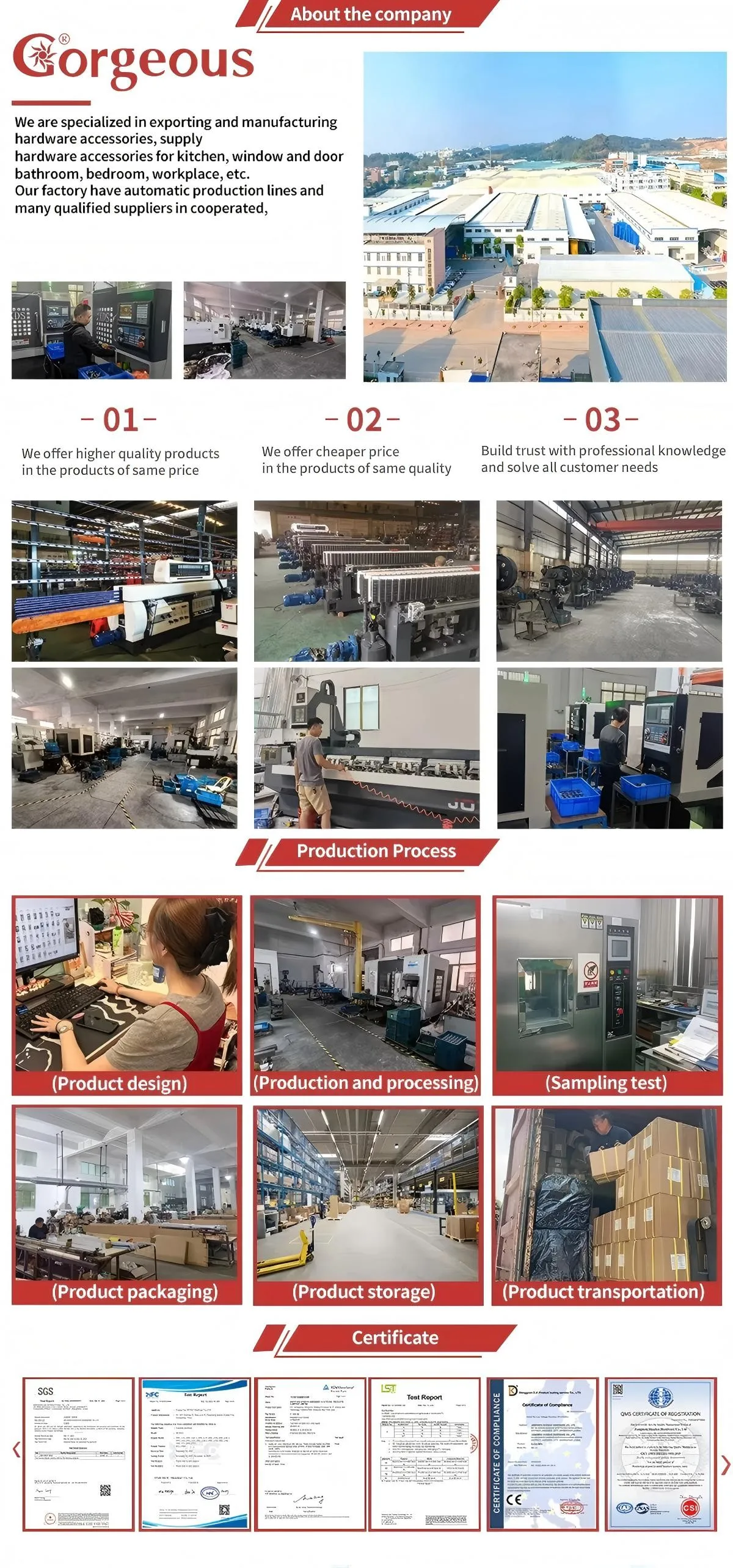
In-house pressing, plating and tooling maintenance behind the F729 hinge line.
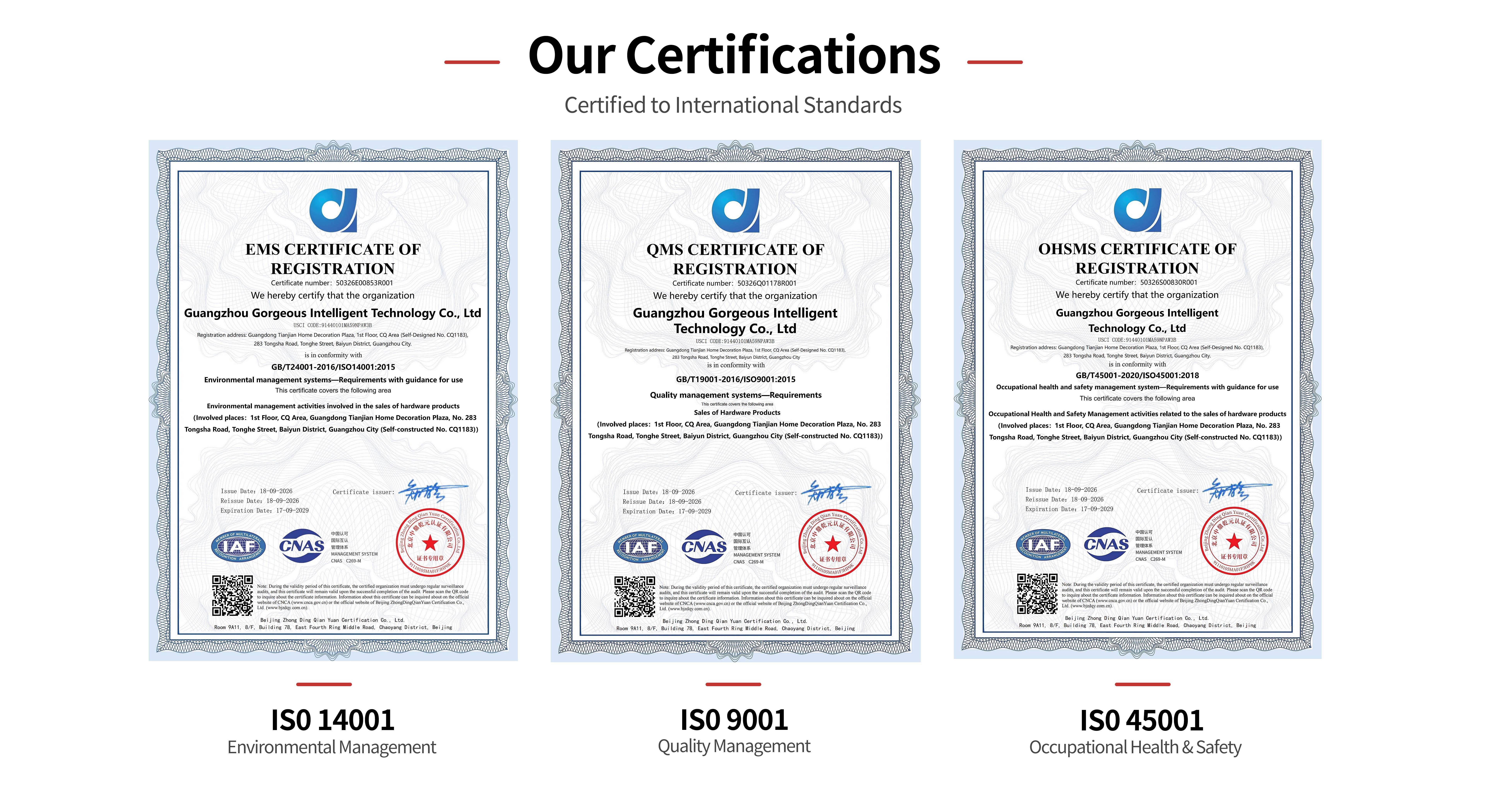
Certification and test documentation supplied for tender packs and retailer audits.
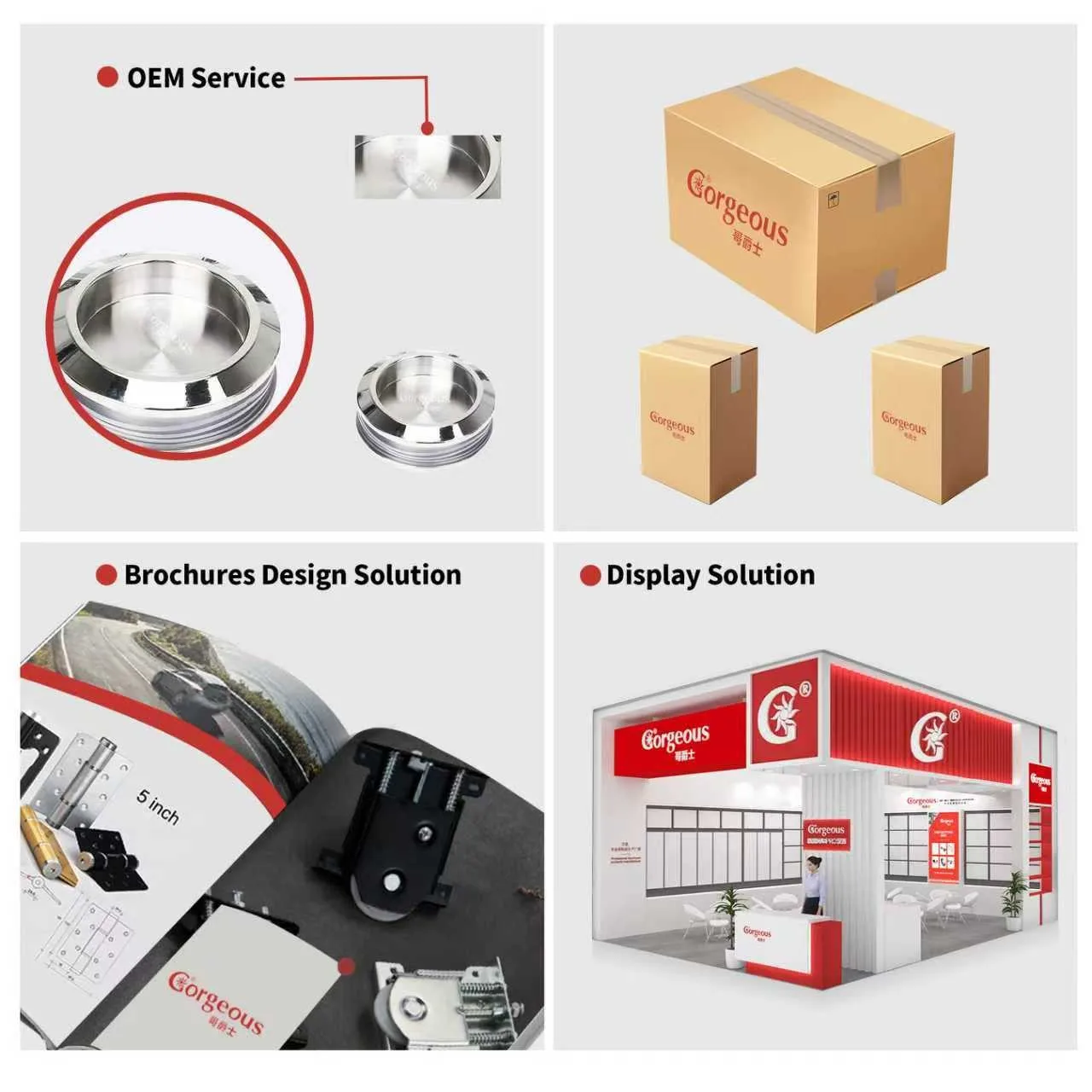
OEM and ODM programme covering marking, plating, screw sets and packaging.
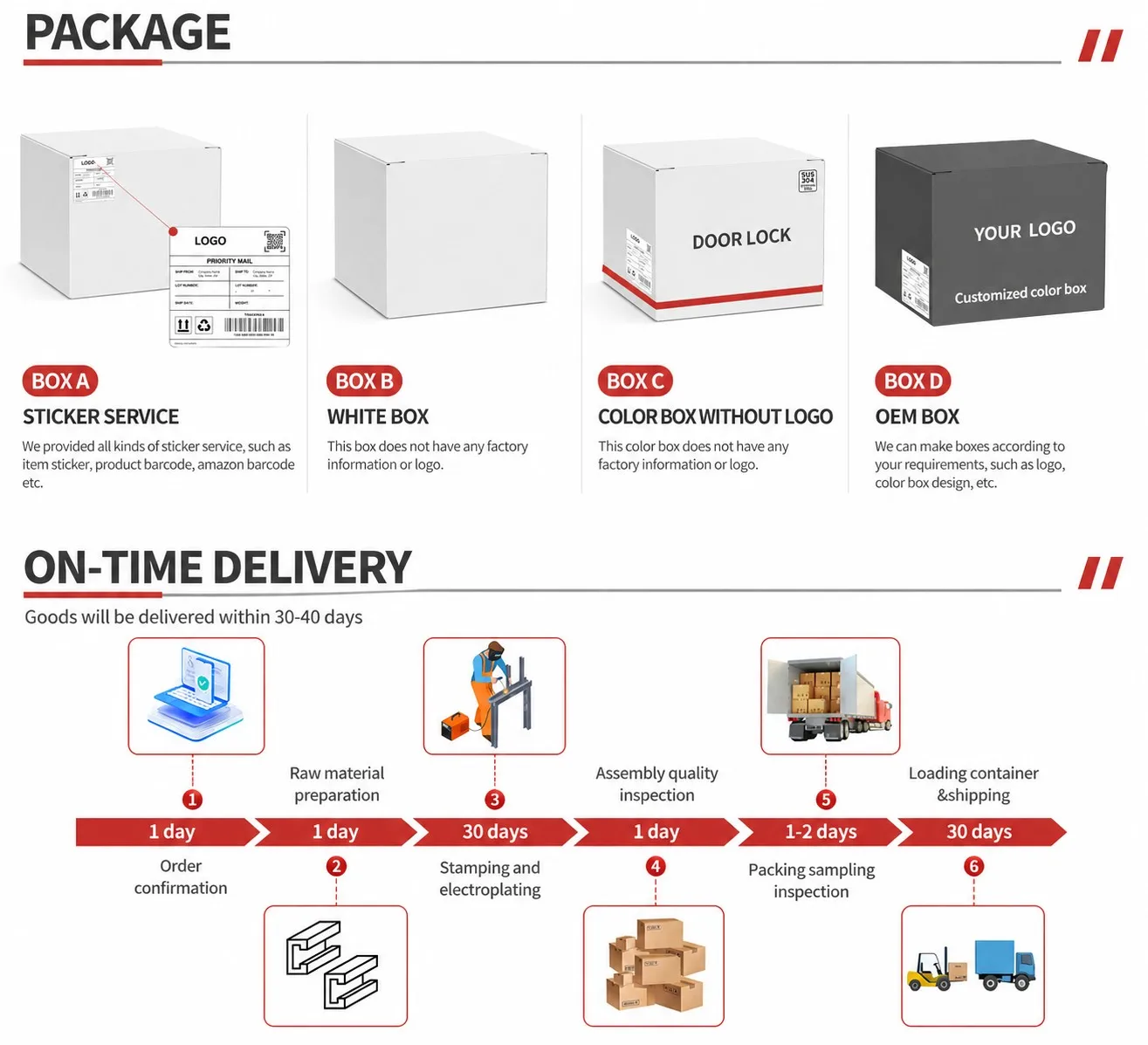
Export packing and container loading for hinges and cabinet fittings.

We exhibit regularly and welcome buyers at the factory between shows.
Frequently Asked Questions
Q1. Is F729 a soft close hinge?
It is available as one. The hydraulic version carries a sealed piston damper; the standard version is the same 30 degree hinge without it. State the action when ordering.
Q2. What does the 30 degree crank mean on site?
It means the hinge is built for an inset door that closes inside the carcase opening. The crank clears the frame and brings the door back flush, which a straight or medium-crank hinge cannot do.
Q3. Can I use a straight-arm hinge instead and pack it out?
No. Packing changes the geometry the arm was formed for, the door rubs as it swings, and the reveal cannot be held. Use the crank that matches the door position.
Q4. How many hinges per inset door?
Depends on height, width, weight and material. Small doors usually take two, with a third added for tall or solid timber doors. Send the elevation and we confirm the count with the quotation.
Q5. Is the soft close action adjustable or repairable?
Neither. The damper is a sealed unit with a fixed characteristic. What you can adjust is the door position, at the arm screw and at the slotted plate holes.
Q6. Do the hinges come with screws?
Yes, our standard screw combination is bagged with each hinge. Alternative screws are available on request.
Q7. What is the minimum order and lead time?
Both depend on destination, packing configuration and the current production schedule, so please send target quantity and port for a written quotation.
Contact And Quotation
Guangzhou Gorgeous Intelligent Technology Co., Ltd. manufactures cabinet hinges and furniture hardware for wholesale, project and OEM buyers worldwide. To quote the F729 30 degree inset hinge we need the closing action, door dimensions, panel thickness, target quantity and destination port. You will receive pricing, packing data, carton count, a loading plan and, if required, samples of both the hydraulic hinge and the standard hinge before the batch is scheduled.
Note: this page describes the F729 hinge family as manufactured. Dimensions and test values that depend on the current production configuration are issued on the sample sheet supplied with your quotation.
Hinge Selection Notes For Buyers
Buyers often ask how far this hinge can be substituted for other hinge types in the same order. The short answer is that hinge choice follows the door, not the other way around. If the door closes inside the opening, this 30 degree hinge is the correct hinge. If the door hangs in front of the carcase side, a straight hinge or a medium crank hinge is the correct hinge, and using this hinge instead will leave the inset gap uneven no matter how carefully the hinge is adjusted.
Within the hinge family itself the main decision is the closing action. A hydraulic hinge costs more per hinge but reduces impact on the hinge and on the door edge, which is why project buyers usually put a hydraulic hinge on every door a user touches daily and a standard hinge on the rest. Mixing hinge actions in one run is normal, and because both hinge versions share one drilling template the hinge change does not change the hinge boring on site.
Quantity per door is the second decision. Two hinge pieces hang a small inset door adequately, but a tall or solid timber door needs a third hinge, and in that case the middle hinge should sit near the centre of the door height so the hinge line carries the weight evenly. Over-hinging is rarely a problem; under-hinging shows up within months as a hinge-side sag where the top hinge pulls out of the door.
If your current hinge is failing, send us a photograph of the old hinge together with the door section. Hinge failure is usually a hinge that was too weak for the door, a hinge with a folded rather than rolled knuckle, or a hinge that was packed out during fitting. We will tell you honestly whether this hinge solves it or whether a different hinge in our range is the better hinge for that application.


Comprehensive score