


45 Degree Special Corner Cabinet Hinge Nickel Plated - F728
F728 45 Degree Special Corner Cabinet Hinge
Angled-door hinge for blind corner units · Nickel plated cold rolled steel · Manufacturer direct supply
Product Overview

TheF728 45 degree special corner cabinet hinge is an angled-door hinge developed for corner carcass applications where the door sits on a 45 degree cut rather than square to the cabinet front. Standard 90 degree hinges cannot seat an angled door correctly: the arm geometry pushes the door into itself or leaves an uneven reveal at the corner. This special hinge uses a cranked arm and a recessed door plate so that an angled door swings clear of the adjacent face while keeping an even gap on both sides.
Each hinge is stamped from cold rolled steel, plated with nickel, and checked against a go/no-go corner template before packing. The hinge is supplied as a two-part assembly: the door plate with its recessed pocket is fixed into the angled door, and the mounting plate is screwed to the carcass side. The slotted holes in the mounting plate let the fitter pull the hinge in and out and shift it sideways before the screws are finally driven home, which matters most on corner doors where the tolerance budget is shared between two door edges.
F728 is a free-swing special hinge, matched to our standard range by finish and packing. If your corner door needs a damped closing action, our angled hydraulic versions are quoted separately under the same F728 tooling family, so a project can mix free-swing and soft-close hinges without a visible finish difference.
Why Corner Doors Need a Special Hinge
A blind corner cabinet normally carries either a straight door that wraps the corner, or a door cut at 45 degrees so the front of the carcass reads as two faces. In the 45 degree layout the hinge must do three jobs at once: hold the door plate flush in an angled recess, clear the neighbouring door or panel through the swing arc, and keep the door parallel to both adjacent faces when closed. A conventional hinge fails on at least one of these.
The F728 hinge solves this with an offset cranked arm. The crank moves the hinge barrel away from the door face so the two doors of an angled corner meet without fouling, and the recessed door plate keeps the hinge knuckle on the intended rotation axis. The result is a consistent reveal, usually set by the arm crank rather than by fitter skill, which is exactly what installers ask for on a corner run.
Because the special hinge carries the door through an angled plane, we recommend fitting two hinges per door up to 600 mm wide and three hinges where an angled door exceeds that width or carries a mirror or glass inset. Hinge quantity should always be confirmed against door weight and height, and our technical team will confirm the count from your elevation drawing at quotation stage.
Key Features
- True 45 degree geometry — the cranked arm is built for an angled door, so the hinge clears the adjoining panel instead of rubbing it.
- Recessed door plate — the door side uses a low rectangular plate with a machined pocket and two fixing screws, keeping the hinge close to the door surface.
- Slotted carcass holes — the mounting plate combines slotted and round holes, allowing in-and-out plus sideways adjustment before final tightening.
- Cold rolled steel body — stamped parts give a repeatable arm section, so hinge-to-hinge variation across a batch stays tight.
- Nickel plated finish — a bright, corrosion-resistant coating that matches our standard nickel hinges used elsewhere in the same kitchen.
- Even load spread — the wide plate footprint distributes screw load across the corner panel, reducing tear-out in chipboard carcasses.
- Free-swing option — supplied without damper for applications needing an open, unresisted door action.
- Template-checked — every production lot is sampled against a corner template to confirm the angled opening path.
- Pallet ready — hinge and plate are pre-assembled, boxed, and packed for container loading without re-handling.
- OEM compatible — the hinge accepts customer marking, bag printing, and alternative screw combinations.
Technical Specifications
| Parameter | Value |
|---|---|
| Model number | F728 |
| Hinge type | 45 degree special angled corner cabinet hinge |
| Application | Blind corner and angled-door carcass units |
| Material | Cold rolled steel, Q195-Q235 grade strip |
| Surface finish | Nickel plated, bright |
| Arm form | Cranked / offset arm for angled door clearance |
| Door side fixing | Rectangular plate with recessed pocket, 2 screws |
| Carcass side fixing | Mounting plate with slotted and round holes |
| Adjustment | Position adjustment through slotted plate holes |
| Closing action | Free swing (non-damped) |
| Hinge per door | 2 pcs up to 600 mm width; 3 pcs above, subject to weight |
| Door thickness range | Confirmed from your elevation drawing at quotation |
| Corner cut angle | 45 degree angled door |
| Salt spray check | Lot sampled before packing; report on request |
| Sample policy | Free samples, freight collect |
| Origin | China |
Arm Geometry and Door Clearance

The most important feature of this special hinge is invisible on a flat catalogue scan: the arm is cranked in two planes. The first crank lifts the knuckle away from the door face so the angled doors can pass each other. The second crank sets the door reveal against the carcass. Buyers comparing hinge prices often miss this, and it is the reason a cheap substitute hinge on a corner unit produces a door that binds at 20 degrees of travel.
On the F728 hinge the knuckle sits on the corner bisector, which keeps the swing symmetric. The plate that carries the door screws is offset so the fixing line stays inside the timber even when the door is chamfered for the angle. Where a customer needs a different reveal we adjust the crank tool rather than adding washers on site, because washers under a hinge plate on an angled door move the rotation axis and re-introduce the fouling problem.
The hinge barrel is rolled rather than folded, which gives a tighter knuckle and less side play after thousands of cycles. Side play is the failure mode customers notice first on corner doors, because a loose hinge lets the door knock the adjacent panel.
Fitting and Adjustment

- Mark the door pocket positions from the same template used for the mating straight doors, so hinge height matches across the run.
- Recess the door plate to the marked depth. The plate on this hinge is shallow, so cut in stages and check with a straight edge.
- Fix the door plate with both screws finger tight, seat the hinge, and check that the knuckle line is square to the angled edge.
- Hold the door in the corner aperture with packing under the base, then present the mounting plate to the carcass wall.
- Drive one screw into each round hole to locate the plate, then use the slotted holes to pull the door to an even reveal on both faces.
- Close the hinge fully and confirm the door does not touch the neighbouring panel through the whole arc; this is the check that distinguishes a correct special hinge from a re-purposed standard hinge.
- Tighten all plate screws to the recommended torque and fit the cover caps if specified.
- Repeat the swing check on every hinge position of the same door, because a single over-recessed hinge will show as a knock at the far end.
Because this hinge is free-swing, the closing feel comes from the catch or damper the customer specifies separately. Many corner-door projects fit a small rotary damper on the opposite stile, and we can bundle that hardware with the hinge in the same bag so the installer receives one kit per door.
Typical Applications
| Sector | How this hinge is used |
|---|---|
| Kitchen corner units | Angled door on a blind corner carcass, often paired with a carousel or magic corner basket |
| Wardrobe runs | Diagonal end door where a wardrobe returns into a wall recess |
| Bathroom vanity | Cut-in corner vanity with an angled access door |
| Retail joinery | Display cabinet corners where two glass doors meet on the bisector |
| RV and marine joinery | Angled galley doors in narrow body sections |
| Office and contract | Corner storage in reception and breakout joinery |
OEM, ODM and Batch Supply
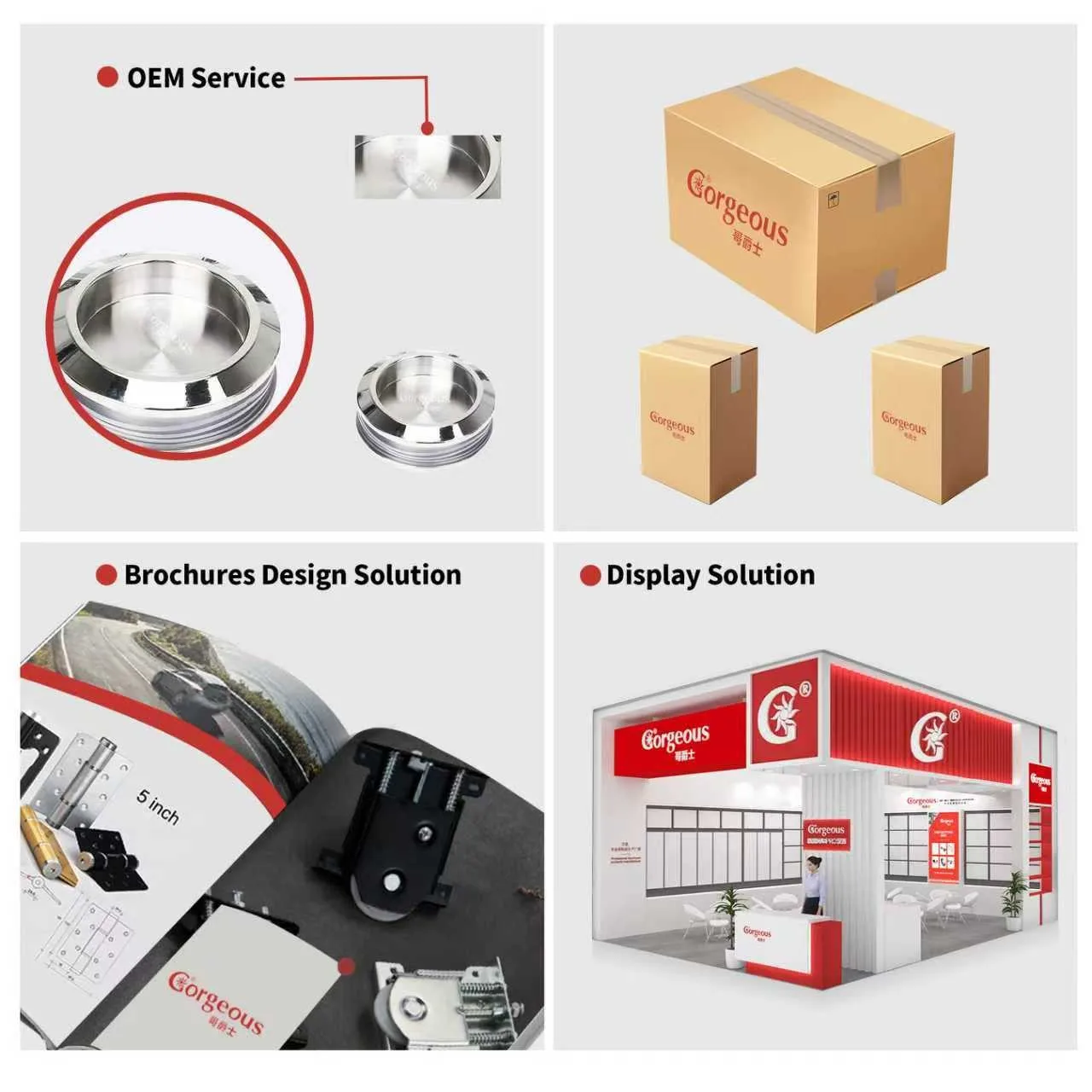
F728 is our own tooling, which means a distributor can have the hinge stamped with a brand mark, packed in printed bags, and labelled with a private SKU. Stamping dies for hinge plates are cut in our tool room, and a marked batch can normally be scheduled inside the standard production window once artwork is confirmed.
For buyers who need the same corner hinge with a damped action, or with a different plate hole count for a specific carcass material, we quote tool modification separately and confirm the effect on the swing arc before any steel is cut. Our engineering file keeps every special hinge variant on its own drawing number so reorders do not drift between revisions.
- Brand marking on the hinge plate or mounting plate
- Custom bag, box, and carton printing with your SKU
- Screw combination matched to chipboard, MDF, or ply carcass
- Finish matched to the rest of your hinge range, including nickel variants
- Mixed container consolidation with our other hinges and fittings
Quality Control on Every Hinge Batch
- Strip material incoming check, with grade certificate held against the coil batch.
- Press first-piece dimensional check on plate hole spacing, pocket depth, and crank offset.
- In-process patrol inspection during stamping, with the hinge arm section measured against the gauge.
- Plating thickness and adhesion check on plated lots before the hinge leaves the finishing line.
- Corner template swing test: each sample is opened and closed through its full arc against the angled jig.
- Knuckle side-play test to confirm the rolled barrel is within tolerance.
- Final packing check against the packing list, including screw bags, caps, and carton markings.
A special hinge is a fitment risk in a way that a volume 90 degree hinge is not: if the geometry is wrong, the whole corner door is scrap. That is why our inspection on this hinge focuses on the swing path rather than only on dimensions.
Packing and Logistics
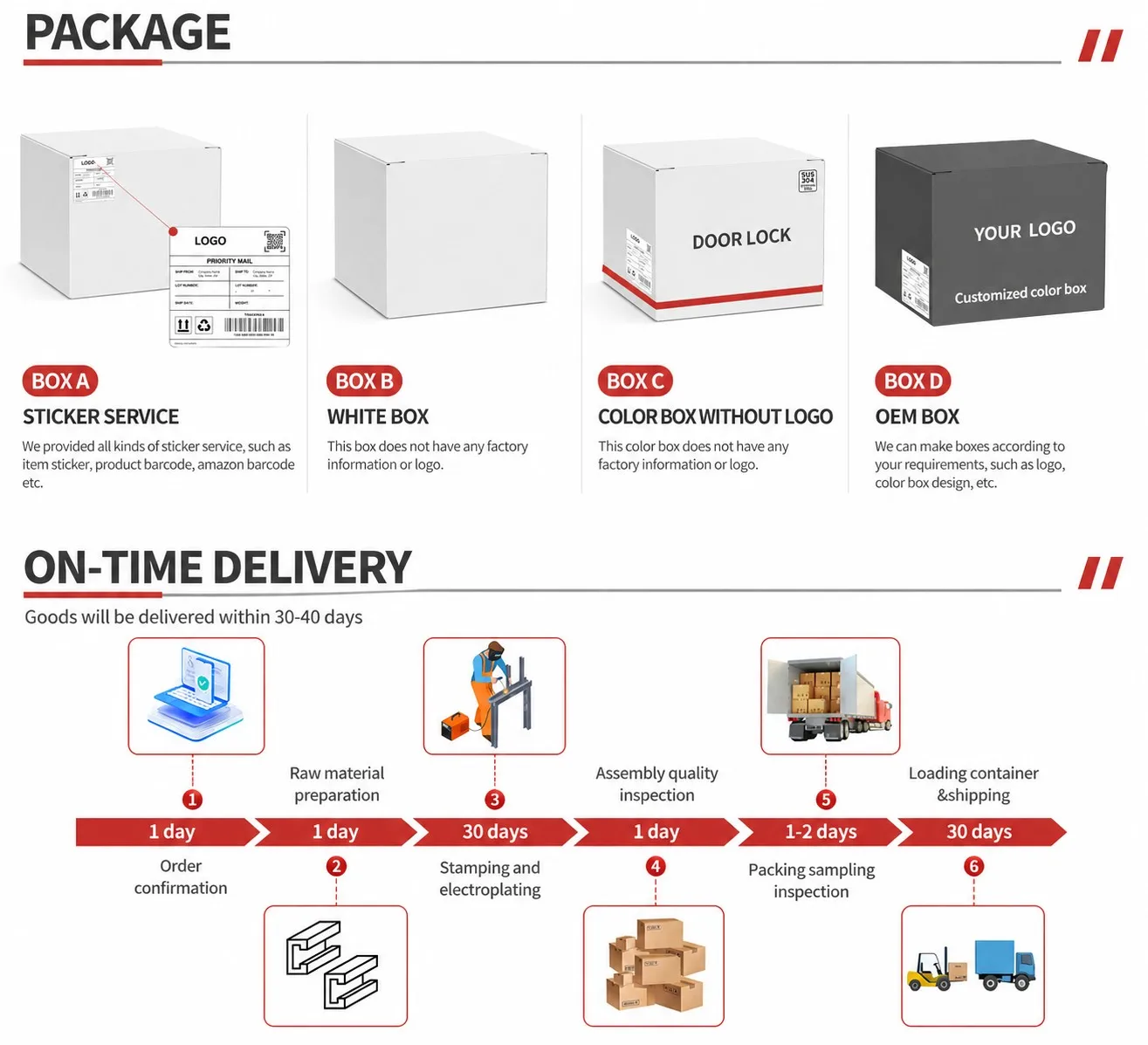
Each hinge is bagged with its fixing screws, boxed, and cartoned for export. Standard cartons are packed for pallet loading and container stowage, and we provide packing lists with net and gross weights per carton. Buyers who need hinge, plate, and screws as a per-door kit should say so at order time, since kitting is done on the packing bench and cannot be added after cartons are sealed.
Because the hinge is steel, weight drives freight cost more than volume. We will quote the carton count and total weight with your order confirmation so the freight booking is not guessed.
Our Factory and Certification
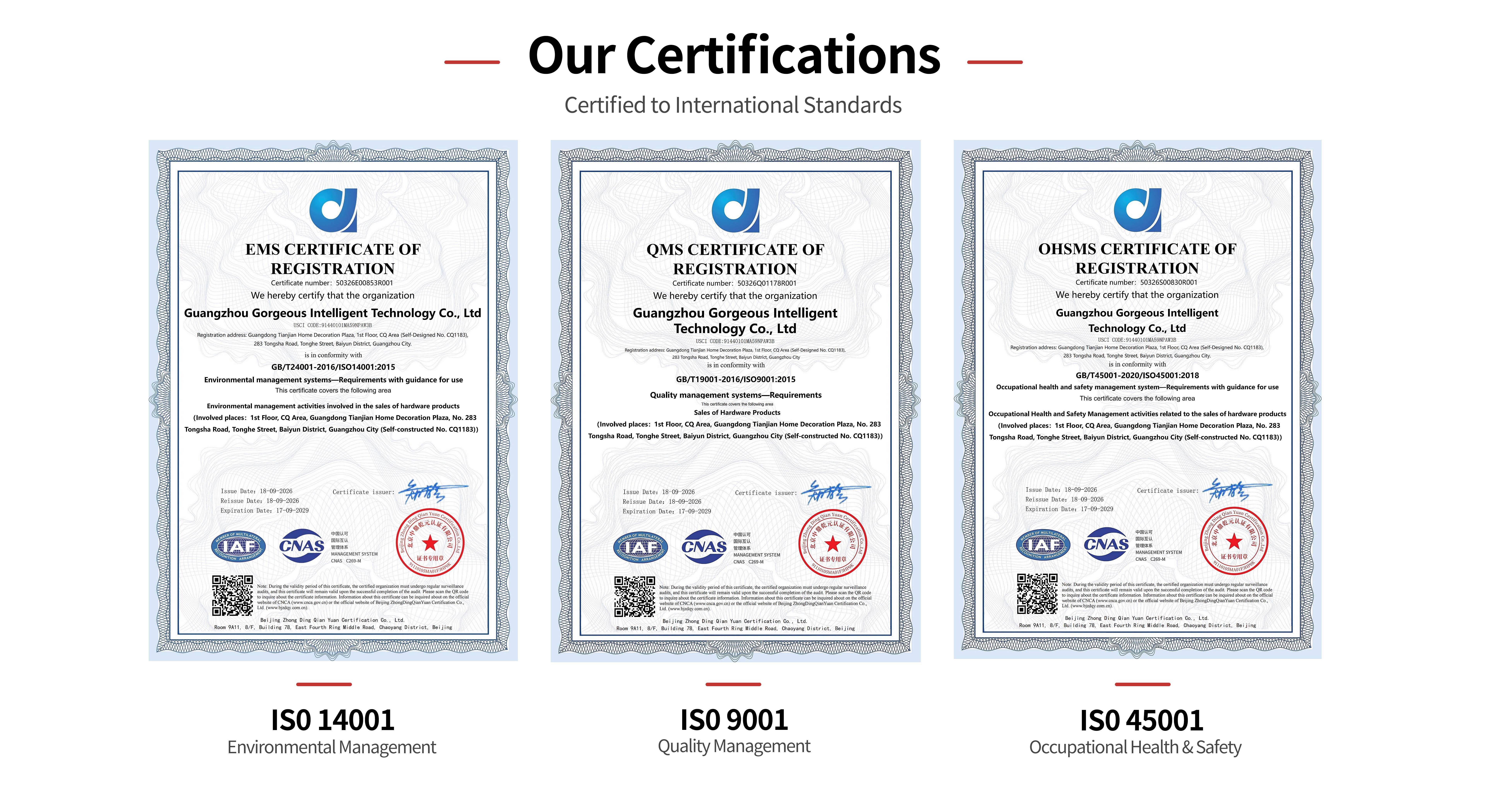
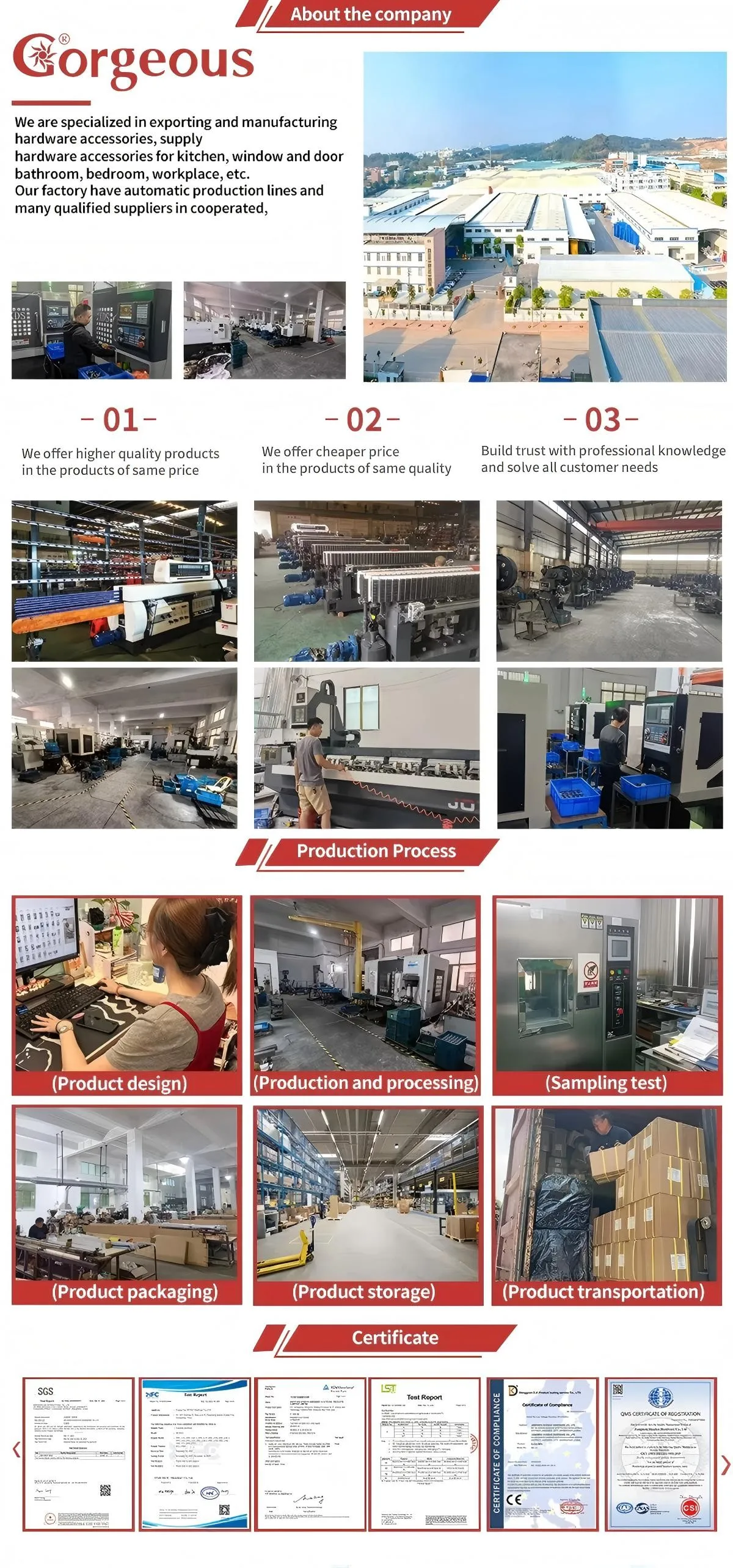

We manufacture furniture and architectural hardware, including cabinet hinges, angled and special hinges, slides, handles, and related fittings. Our advantage on special hinges such as F728 is that the press tooling, the plating route, and the inspection jigs are all in-house, so a buyer can order a non-standard hinge at a volume-hinge price and get it re-ordered without a re-quotation cycle.
Frequently Asked Questions
Q1. Can a standard 90 degree hinge be used on a 45 degree corner door?
No. A standard hinge rotates in one plane, so an angled door either fouls the neighbouring panel or cannot sit proud of the carcass. The F728 special hinge uses a cranked arm to move the rotation axis onto the corner bisector.
Q2. Is this hinge soft close?
No, F728 is a free-swing special hinge. Damped closing on a corner door is normally added with a separate damper, and our hydraulic angled variants are quoted under the same tooling family.
Q3. How many hinges does an angled door need?
Two per door up to about 600 mm wide, three above that or where the door carries glass or a mirror. Confirm against door weight and height and we will confirm the count from your drawing.
Q4. Will the nickel finish match our existing hinge range?
It should. We plate this hinge on the same nickel line as our standard nickel cabinet hinges, and we can run a comparison panel against a sample you send before the first production batch.
Q5. Can you change the plate hole pattern for a thin carcass wall?
Yes. Plate hole count and spacing are tool-level changes. Send the carcass section and we will confirm the revised plate and the effect on the swing path before tooling.
Q6. What is the sample and lead time process?
Samples are free with freight collect from stock. For a first marked or modified batch we confirm a pre-production sample, then schedule the hinge run once it is approved.
Contact and Ordering
Tell us the corner dimension, door thickness, door width, and how many angled doors are in the project, and we will confirm hinge count, packing, and the freight weight for F728. Drawings, samples, and finish comparison panels are available before you place a batch, and our technical team answers hinge fitment questions in English within one working day.
Model: F728 · 45 degree special corner cabinet hinge · nickel plated cold rolled steel · free swing · manufacturer direct from China.


Comprehensive score