


Detachable Hydraulic Hinge Rubber Pad Soft Close F810
F810 Detachable Hydraulic Cabinet Hinge, Rubber Pad, Clip On Plate
Soft close cup hinge · Detachable clip on joint · Rubber pad under the plate · Factory direct
Product Overview

TheF810 hinge is the detachable member of this hydraulic hinge family built with a rubber pad, and the model name reads exactly as it is supplied: detachable because the arm releases from the mounting plate without tools, and padded because a rubber pad sits between the plate and the cabinet surface. The third element, hydraulic, is inside the arm, where a sealed damper controls the last part of the closing arc.
Two of those three features act on the same moment in the life of a door, which is why they are usually specified together. The pad works every time the hinge is closed, damping the impact and the vibration that a bare metal plate passes into a carcase. The detachable joint works whenever the door has to come off, which in a kitchen, a bathroom unit or a retail fitting is more often than a designer expects: interiors are cleaned, shelves are replaced, appliances are slid into place and doors are removed and refitted afterwards.
Nothing about this hinge has to be understood before it can be fitted. The hinge bores into the door as a normal cup hinge, the plate screws to the cabinet side, and the arm is pressed into the plate until the clip holds. Removal is the same operation in reverse, done with the thumb rather than a screwdriver. The photographs on this page are of the actual hinge so the pad, the clip and the plate hole pattern can be checked against your own drilling drawing before samples are ordered.
What The Rubber Pad Does
A hinge plate clamped directly onto board transmits two things into it: the impact of a door arriving at the end of its swing, and the small vibration of that door being moved. Over thousands of cycles both act on the same screw holes that already carry the whole weight of the door, and in brittle board they are a slow way of wearing a fixing loose.
The pad on this hinge is a moulded rubber layer carried under the plate. It decouples the metal face from the board, so the closing impact is absorbed in the pad rather than in the screw line. The effect is audible on the first closing and measurable over a warranty period: a softer sound, less rebound, and a fixing that is not being hammered twice a day.
The pad also does two quieter jobs. It fills the small surface irregularity left by a router or a press in the carcase, so the plate sits on rubber rather than on three high points and a gap. And because a compressible layer sits behind the plate, the plate can be drawn into line by its screws without the fitter having to shave the cabinet to make the hinge sit flat.
Two practical limits are worth stating. Rubber takes oil and silicone spray badly, so the pad is the reason this hinge should never be lubricated at the plate. And a pad compresses, which means the door position can shift very slightly in the first days of use as it beds in; that is why final alignment on a padded hinge is done after the doors have been hung and closed a number of times, not on the assembly bench.
The Detachable Joint In Service

On a fixed hinge the arm and the plate are one screwed assembly, and the only way to take the door off is to undo the screws that hold the whole hinge to the door. On this hinge the two halves clip together, so the door lifts off the plate when the release is worked and refits by pressing it back until the clip engages.
The commercial value of that is measured in service time rather than in hardware. A door that can be removed in seconds gets removed: cleaned, adjusted, moved aside while a tradesman works, refitted without a screw going astray. A door that takes a driver and two hands stays closed, and the fittings behind it are never reached.
The engineering cost of a clip is that a joint now sits in the load path which does not exist on a fixed hinge. That is why the release on this hinge is a positive clip rather than a friction fit, why the plate is the part that carries the screws, and why the door side of the hinge stays a bored cup assembly with its own fixing line. Loads still reach the cabinet through plate screws; the clip holds position rather than carrying dead weight alone.
One consequence matters on site. A clipped door must be pressed home fully, because a door sitting a few millimetres high on its clip looks closed, carries load on the wrong part of the hinge, and will damage the release before it damages anything else. If a returned sample hinge shows a shiny or deformed edge on the clip, that is normally the record of an under pressed refit rather than a failed component.
How The Damper Behaves In Service
The hinge swings freely for most of its travel. The damper engages close to the closed position and controls only the last part of the arc, which is why a door on this hinge does not feel heavy to open and still arrives quietly. The pad described above then takes the final contact, so the closing event is damped twice by two different mechanisms.
That construction explains the two observations that reach our sales team most often. A sample tested in the hand can feel as though it barely closes at all, because a fixed damping force is competing against a light door in a cold room. The same hinge on a full height panel in a warm kitchen shuts with authority. Equally, a door that has to be pushed through the last few degrees is not fitted with a weak hinge but with a misaligned one: the damper is being worked against the cabinet instead of against air.
The damper is sealed at the factory and is not a serviceable part. It is also the reason this hinge must not be oiled. Any spray that reaches the piston seal changes the resistance curve first and destroys the seal later, and a hinge that has been lubricated to make it quiet is normally a hinge that has to be replaced. If a project needs a lubricated bearing, that is a different member of the family and we will quote it as one.
In a cold store, damping is stronger and doors close more slowly; in a hot showroom, weaker. Buyers testing samples against a specification in winter should expect the hinge to feel slower than the same batch will feel in a finished flat, and should judge the sample on whether it closes the door under control rather than on how fast it does it.
Key Features
- Detachable clip on joint · the door lifts off its plate without tools and refits by pressure, so cleaning, adjusting and refitting stop being a two person job with a driver.
- Rubber pad under the plate · absorbs the closing impact and the vibration that would otherwise reach the screw line, and bridges small irregularities in the carcase surface.
- Sealed hydraulic damper · acts only on the closing arc, so the door opens freely and arrives under control; factory set and not serviceable.
- Concealed cup fixing · the hinge is hidden when the door is shut and bores into the door as a normal cup hinge, so existing drilling setups carry this model without a change.
- Round and slotted plate holes · the door is pulled into line after the hinge is screwed down, and alignment is done at the plate rather than by packing behind a hinge.
- Pressed steel with plated finish · made for interior furniture use, supplied as one assembled unit with the pad already fitted.
- Family consistency · the same plate and door drilling is shared across the detachable, fixed, short spine and long spine members, so one shipment can cover a whole project.
Technical Reference
| Item | Reference for the F810 hinge |
| Model | F810 |
| Hinge type | Concealed hydraulic cup hinge, detachable clip on |
| Closing action | Sealed damper acting on the closing arc only |
| Plate | Clip on plate with round and slotted fixing holes |
| Pad | Moulded rubber pad fitted under the plate |
| Material and finish | Pressed steel, plated finish for interior furniture |
| Door removal | Tool free, at the clip; refit by pressing home |
| Adjustment | At the plate holes after the hinge is screwed down |
| Supplied as | One assembled hinge, plate separate in the carton |
| Dimensions and drilling | Drawing and test sheet issued with the quotation |
| Packing and marking | Standard export packing, OEM options on request |
We deliberately publish the drilling drawing and the measured sheet with the quotation rather than typing a column of numbers into a listing page. Hinge geometry is a set of interdependent dimensions, and a buyer checking a cabinet drawing needs the drawing, not a rounded summary of it.
Fitting And Adjusting This Hinge
The hinge is bored into the door as a normal cup hinge, so a shop already running cup work needs no new setup: the same bore diameter, the same depth gauge and the same screw pattern carry this model. The plate is offered to the cabinet side, levelled, and driven home. The door is then lifted onto the plate and pushed until the clip engages on both sides of the hinge line.
Alignment is done at the plate. The round holes locate it and the slotted holes let it be moved, and that is the only adjustment this hinge is designed to accept. Where a door needs to be pulled in, pushed out or raised, the correct answer is a slackened plate screw and a pack under the plate edge until the line is right. Where a door still does not sit after the plate holes have been used up, the problem is the carcase and not the hinge, and the fitter should say so before the batch continues.
With a padded hinge there is one extra rule that shops learn once. Because the pad compresses, a plate driven hard against a cold, hard board can sit a fraction high until the pad beds. Doors are therefore set, closed a dozen times, and checked again before the job is signed off; a hinge adjusted on the bench on the day of fitting is a hinge that looks out of line a week later. The same reason applies in reverse: the pad is not an excuse to leave a door out of line and expect the rubber to take up the difference over the years.
Finally, the clip. A door that has been lifted off and refitted many times should still need a positive push to seat. If refitting becomes easy and the door sits proud, the clip has been worn by doors being pressed onto a plate that was out of line, and the plate is the part to replace.
Where Buyers Specify The F810
Kitchen and bathroom cabinet doors are the main use, and specifically the doors that a householder will have to take off at some point: doors over a sink unit, a waste compartment, an integrated appliance or a shallow drawer bank. On those doors a fixed hinge is a promise that the hinge screws will be undone in five years, in a room with no light, by someone with no drawing.
Rental and build to rent schemes specify this hinge for the same reason in a different form. Doors are removed and refitted during turnovers, and every cycle that costs a driver and two hands is a cycle that either does not happen or is done badly. A padded hinge also survives those cycles better, because the impact of a door closed without care is taken by the rubber rather than by the fixing.
Retail fit out, office joinery, hospital and hotel casework are the other three markets, all of them chosen for the combination rather than for either half of it: soft closing to protect the door and the contents, tool free removal to protect the maintenance budget, and a rubber pad to keep the noise floor of a fitted room where it was designed.
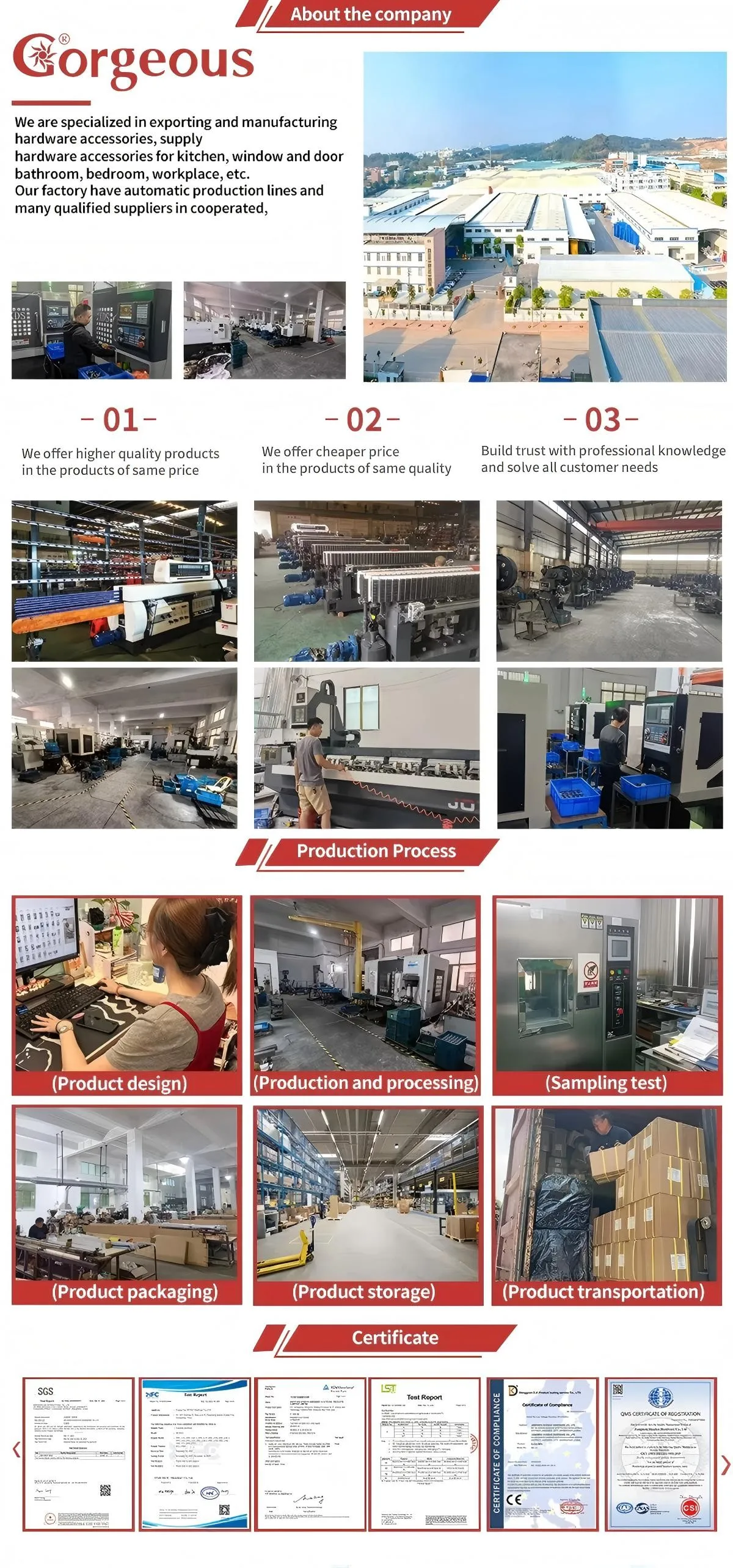
Hinge arms, plates and pads are made in our own shop, and the pad is fitted on the line rather than packed loose. That matters for a buyer for a simple reason: a pad that is not fitted at the factory is a pad that will not be fitted on the assembly bench at three hundred cabinets an hour, and a padded hinge delivered without its pad is not the hinge that was quoted.
Common Faults And What Inspection Shows
Almost every complaint about a hinge of this type is a complaint about a door, and inspection separates them quickly. A hinge returned with a door that sagged at the top corner will normally show wear at one screw hole and none at the others, which is a fixing line problem in the board rather than a hinge problem. A hinge returned because it no longer closes will show either a damper that has been sprayed, which is visible at the seal, or a plate out of square, which is visible against the arm.
On a detachable hinge there are two more patterns worth naming. Doors pressed onto a plate that is out of line burnish the outside edge of the clip; the hinge still holds, but the clip has taken a load it was not meant to steer. And doors refitted without being pushed home load the hinge through the wrong part of the arm, which shows as a bright line on the arm shoulder where metal has been bearing on metal.
Pad faults are rare and are almost always chemical. A pad that has swollen, gone soft or lost its shape has met a solvent, an oil or a silicone spray. A pad that has taken a permanent set after years of use is normal, and on a hinge of this class the pad can be replaced or the plate changed rather than the whole hinge being written off.
For any returned sample we photograph the hinge, note the wear pattern and report it in writing. A buyer who sends back two hinges with a description of the door they came off will get that report back, because the wear pattern tells us which of the causes above actually applied.
Ordering, OEM And Quality Control
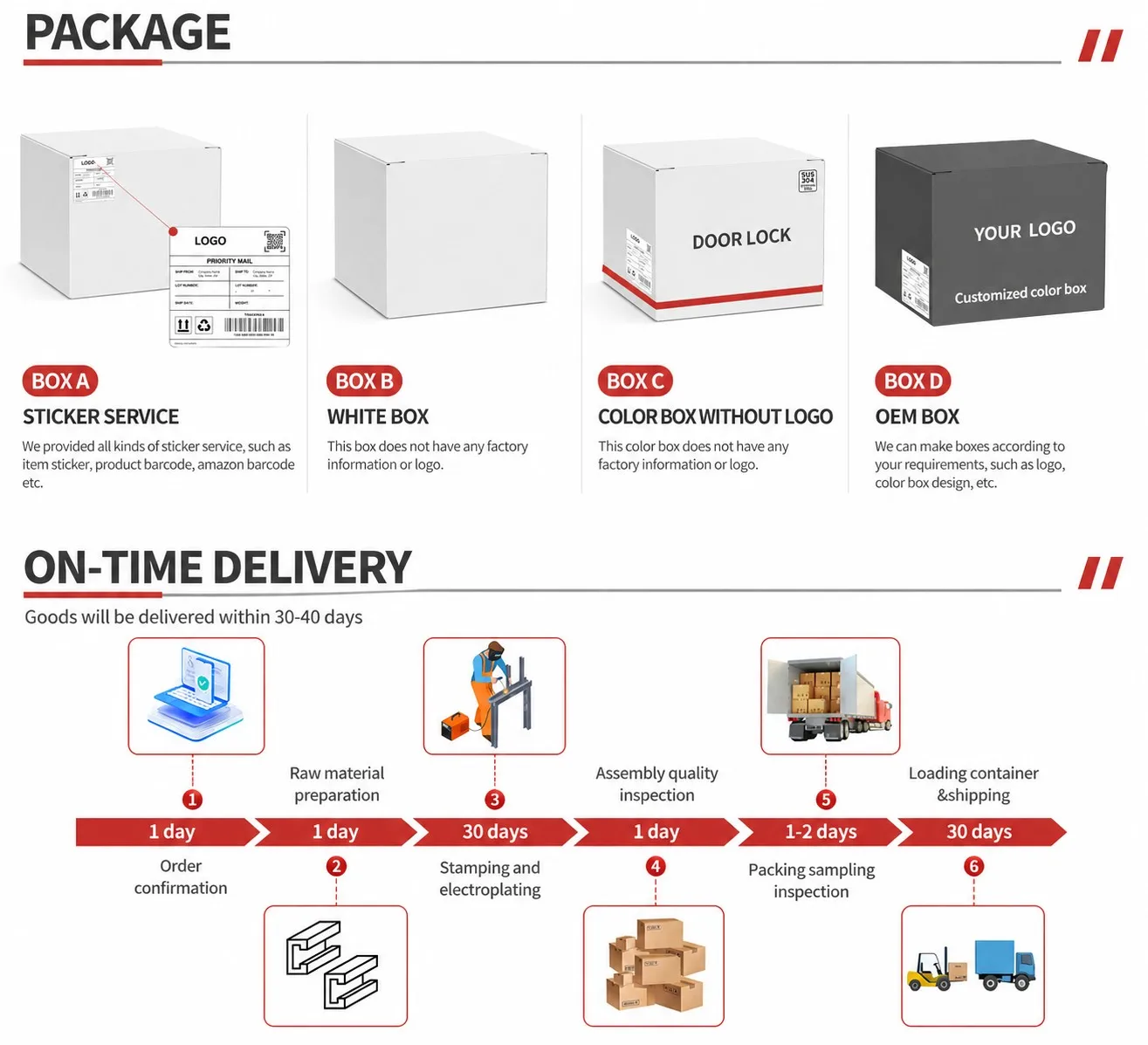
Hinges are packed in inner boxes and shipped in export cartons, with the quantity per inner and per carton stated on the packing list issued with the order rather than assumed from a web page. Buyers who count hinges by the door rather than by the box should say so at enquiry, because we can pack to a door set, which is one hinge pair plus the pads and plates matched to it.
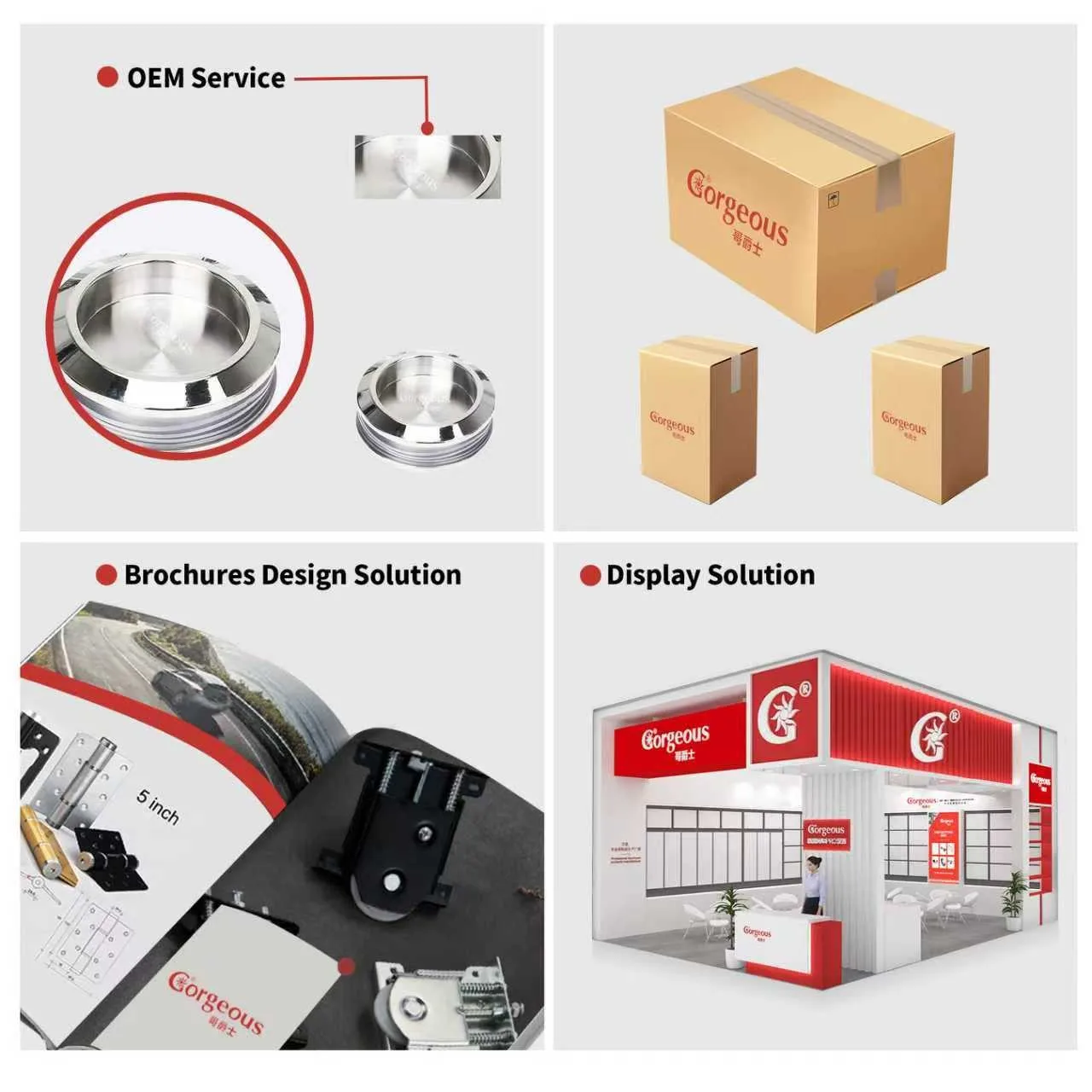
OEM marking on the hinge, on the inner box and on the carton is normal work for us, as are custom bagging counts, barcode labels and a printed fitting card in the buyer's language. Marking tooling and its lead time are quoted with the price; nothing on this page is a promise of a specific packing configuration.
Quality control runs on the batch rather than on a single approved sample. Hinges are checked for bore and centre distance against the drawing, for clip engagement by hand on a gauge plate, for closing behaviour against a reference damper, and for plating by the standard agreed with the buyer at sample stage. Pad fit is checked as a presence test on the line, which is the only test that catches a hinge packed without its pad.
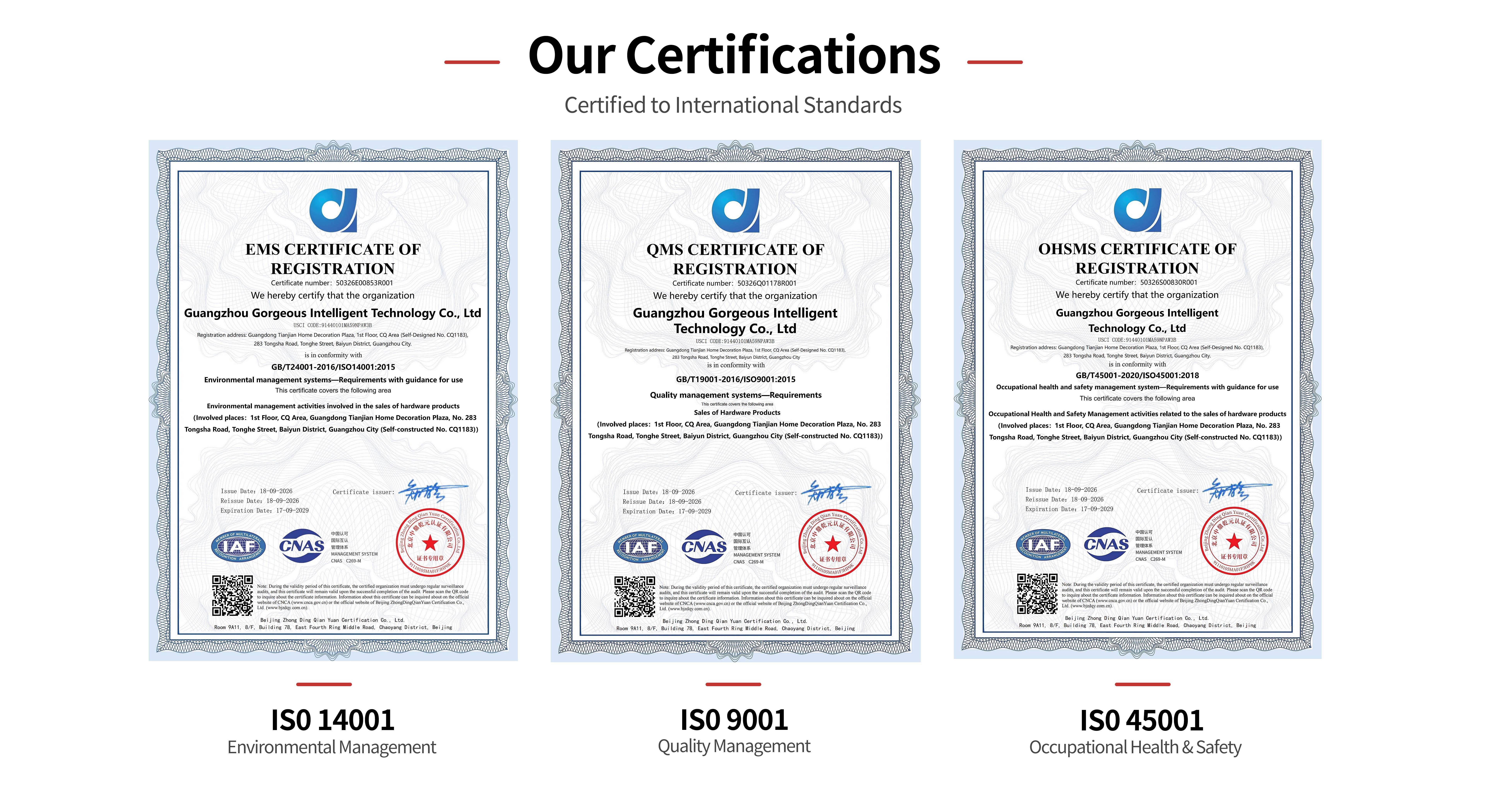
Certification for the range is documented, and the relevant sheets are sent on request rather than reproduced here. Buyers whose tender needs a specific test standard should name it in the enquiry so we can confirm which of our reports cover it before the sample stage rather than after.
Choosing Between The Family Members
Decide the joint first. Where a door will never be removed by the end user, a fixed hinge is cheaper, has one fewer part to wear and is the better engineering answer; where it may be removed, this hinge pays for its clip in the first year of service. Deciding wrongly is expensive in opposite directions, so this is a question about the door and not about the hardware.
Decide the plate second. A long spine plate carries a heavy or tall door better because it spreads its fixings over a longer run of cabinet side, and a short spine plate is the answer where the side is crowded with shelf pins and runner screws. This hinge is built on the plate the project needs, and the door drilling does not change between them.
Decide the pad third. A padded hinge is specified for noise, for vibration and for carcases whose surfaces are not perfectly true. Where a shop builds to a tight surface tolerance and the doors are light, the unpadded member of the family costs less and does the same job. Where the doors are heavy, the room is quiet, or the cabinets are flat packed and assembled on site by whoever is available, the pad earns its difference.

Hinge Count Per Door
Hinge count is a function of door height and door weight, and both numbers come from the door rather than from the hinge. The working rule our technical team uses is one hinge for each increment of height and weight the door adds, with the count stepped up at the point where a door begins to twist under its own mass rather than at the point where it becomes heavy to lift.
Tall wardrobe and pantry doors are where projects most often under count. A door that stands well over a metre carries a bending load into its fixings that a kitchen wall door never produces, and the second and third hinges on that door are what stop the top corner dropping. Where a door is both tall and heavy, we would rather quote the long spine plate and one extra hinge than argue about a sagging corner twelve months later.
Light doors can be over counted as easily as heavy doors can be under counted. Three hinges on a small door that weighs little means three fixing lines that have to be perfectly co planar, and a shop that cannot hold that tolerance will produce a door that binds. Send the door dimensions and the panel material and our technical team will state the count per door in writing with the quotation.
Frequently Asked Questions
Can the pad be left off if a project does not want it? The plate is designed to sit on its pad, and a plate clamped straight onto board loses the bedding and the damping that the pad provides. If a project genuinely does not need it, the unpadded member of the family is the correct hinge and will be quoted as such.
Will the clip wear loose? Not from doors that are refitted correctly. It will wear from doors being steered onto an out of line plate, which is why the plate is levelled before the first hinge is driven and why the clip is checked by hand at final inspection.
Can a door on this hinge be adjusted without taking it off? Yes. The plate screws are accessible with the door closed, and the slotted holes allow alignment while the door is hanging. Removal is a separate operation, not a precondition for setting the door.
Is this hinge suitable for an exterior or wet environment? It is a plated interior hinge. Where a casework run sits in a wet room, the answer depends on the plating spec and on whether the panel itself will hold its fixings, and we will say which we can and cannot support before a sample is despatched.
Do the damper and the pad make the door feel heavy? The damper acts only near the closed position, so the swing itself is free. If a door feels heavy to open, the hinge is being worked against the cabinet, which is an alignment symptom.
Can one shipment mix the family? Yes, and this is common. Every member shares the same door drilling, so a project can carry the detachable hinge for service doors, the fixed hinge for the rest, and both plate lengths in the same container.
What To Check On A Hinge Sample
A hinge sample is worth ordering, but only if the hinge is tested as part of a door rather than held in the hand. Screw the hinge plate to an offcut of the panel you actually use, bore a scrap door, and hang it. A hinge judged loose in the palm will feel like a different hinge on a real door, because the damper, the clip and the pad all respond to door weight.
On that test hinge, check five things. Close the hinge slowly and feel where the hinge damper takes over; the hinge should swing free until the hinge arm is nearly shut. Press the hinge door onto the hinge plate and listen for the hinge clip to seat on both sides. Lift the hinge door off and refit the hinge three times; a hinge clip that has to be coaxed is a hinge you will hear about later. Squeeze the hinge pad and check that the hinge plate still sits flat when the hinge screws are driven. Then leave the hinge closed overnight and look at the hinge door line in the morning.
A hinge that passes those five checks on your own panel is the hinge that will behave the same in three hundred cabinets. A hinge that passes them on our bench and fails them on yours is a hinge problem of the carcase, not of the hinge, and we would rather find that out on a sample hinge than in a container.
Contact And Quotation
Send the door size, the panel material, the quantity per door you intend to fit and the destination port, and we will quote the F810 hinge against that rather than against a generic cabinet. If the project also needs the fixed, short spine or long spine members of the same family, list them in the same enquiry and they will be priced as one shipment.
Samples are available before any order decision, and we would rather ship a hinge to be tested in your own door and your own carcase than argue about a specification over email. The drilling drawing, the measured sheet and the packing list format follow with the quotation.



Comprehensive score