


Fixed Base Hydraulic Cup Hinge Soft Close Cabinet F850G
F850G Hydraulic Cup Hinge With Fixed Screw-On Base, Soft Close
Screw fixed mounting plate · hydraulic soft close arm · concealed cup hinge · for kitchen, wardrobe and contract joinery
Product Overview

F850G is a concealed cabinet hinge built on a fixed base: the mounting plate is screwed straight to the carcass and stays there, and the hinge arm carries the door from the cup end. This is the fixed-base version of the hydraulic cup hinge family, so there is no clip-on release mechanism and no hook tab on the plate. The door is set by moving the plate in its slots and by turning the cam screws in the arm, and once the screws are drawn up the hinge is a rigid, single-piece fixing between door and cabinet. That is the whole argument for a fixed base hinge. It has fewer parts than a clip-on hinge, it cannot be un-clipped by accident or by a child pulling the door, and it costs less per hinge because there is no release mechanism to make. On high-cycle contract work where doors are not removed during the life of the furniture, buyers routinely specify this hinge over the clip-on version for exactly those reasons.
The closing action is hydraulic. A damper works inside the hinge arm, so the last part of the swing is controlled and the door is drawn shut without impact. The photographs in this listing show the hinge in three-piece and single-piece arrangements on a white ground, including a top-down view in which the damper barrel can be seen sitting inside the arm channel, which is the part of this hinge that does the soft close work.
What A Fixed Base Actually Changes On The Door
A hinge plate fixed with screws through round holes and oval slots gives the fitter two adjustments before the plate is drawn up: position along the slot axis, and the set of the door face through the arm cams. After draw-up the plate cannot move without the screws being turned, so the door geometry is locked. A clip-on plate can be re-seated many times and each re-seating shifts the door slightly, which is why ranges that are hung and re-hung during installation drift out of line unless the fitter re-checks every hinge on the run. A fixed base hinge does not drift, because it does not come off.
The second consequence is load path. On this hinge the door load travels from the cup, through the arm, into the plate and into the carcass through the plate fixings, with no clip interface in between. Every interface left out of a load path is one place that does not develop play after three years, and that is the practical reason a fixed base hinge is still specified for doors that are opened hundreds of times a day: retail joinery, hospital and laboratory casework, school and office cabinetry.
What You Get On This Hinge
- A hydraulic soft close hinge arm, with the damper barrel working inside the arm.
- A screw fixed mounting plate with two round locating holes and two oval adjustment slots.
- A drawn cup with a flat flange and two round countersunk fixing holes for the door boring.
- Cam screws in the arm with a rectangular window behind them, for setting the door gap after the plate is fixed.
- A bright plated finish on arm, cup and plate, matched across the hinge so the visible parts read as one fitting.
- No release clip and no hook tab: this hinge is fixed, and the door is removed by undoing screws.
Technical Reference For This Hinge
We publish figures for a hinge only when they are on our drawing. For F850G the geometric set - cup diameter, cup depth, hole pitch, the distance from the cup bore to the plate face, plate fixing centres and the opening angle of the hinge - is issued on the drawing on request, and the drawing is what a buyer should machine to. What we describe here is the hinge as it is made and as it behaves, which can be checked from the photographs and on a door.
| Item | As published for F850G |
| Hinge type | Concealed hydraulic cup hinge, fixed base |
| Mounting plate | Screw fixed plate, two round holes and two oval adjustment slots |
| Door removal | Undo the screws - this hinge has no clip-on release and no hook tab |
| Closing action | Hydraulic soft close damper inside the hinge arm |
| Door adjustment | Oval slots in the plate plus arm cam screws behind the rectangular window |
| Fixings | Not supplied unless requested - screw gauge and length depend on the panel material |
| Dimensions, cycles, load | Issued on the drawing and on request; not guessed in this listing |
We do not print a cycle count, a load rating or a corrosion class on the listing, because those are test results rather than descriptions and they belong on a report for the batch. Ask and we will issue what we hold for this hinge model against the batch you are buying.
Fitting This Hinge
Bore the door for the cup, set the hinge cup in the boring and drive the two countersunk screws. Offer the door to the carcass at the gap you want, present the hinge to the plate position and mark through the plate holes. Screw the plate in through the round holes first, leaving it short of home, then use the oval slots to bring the door into line - in and out along the slot axis, side to side across it - and draw the plate screws up once the door sits where you want it. The arm cam screws behind the rectangular window finish the job by setting the door face parallel to its neighbour.
Two things decide whether a fixed base hinge gives trouble. The first is boring depth: a hinge sitting proud of the door face in a shallow boring loads the arm sideways every time the door closes, and no hinge is built for that. The second is screw length in the carcass, because on a fixed hinge the plate fixings carry the door permanently. Specify the screw for the board rather than accepting a generic fixing, and drive screws into solid material or into a proper insert in chipboard.
How Many Hinges A Door Needs
Hinge count follows door height and door mass rather than preference. A door under roughly two kilograms and under 900 mm high is carried by two hinges of this type. Above that add a third hinge at mid height, and keep adding one hinge per further increment of height or mass, because the failure in a tall door is never the top hinge - it is the middle of the door sagging while both end hinges stay sound. On a fixed base hinge the extra hinge is doing more work than a spare: every hinge on this type puts a permanent screw line into the carcass, so a third hinge genuinely spreads the load rather than just adding a pivot.
On soft close doors the hinge count also sets the closing feel. A damper hinge is dimensioned against a door mass, and a heavy door hung on the minimum number of hinges leaves each damper working at the top of its range, so the last few degrees of travel slow visibly. Adding one more hinge spreads the same duty across more dampers and is almost always cheaper than moving to a heavier hinge.
What We Check Before A Hinge Order Leaves
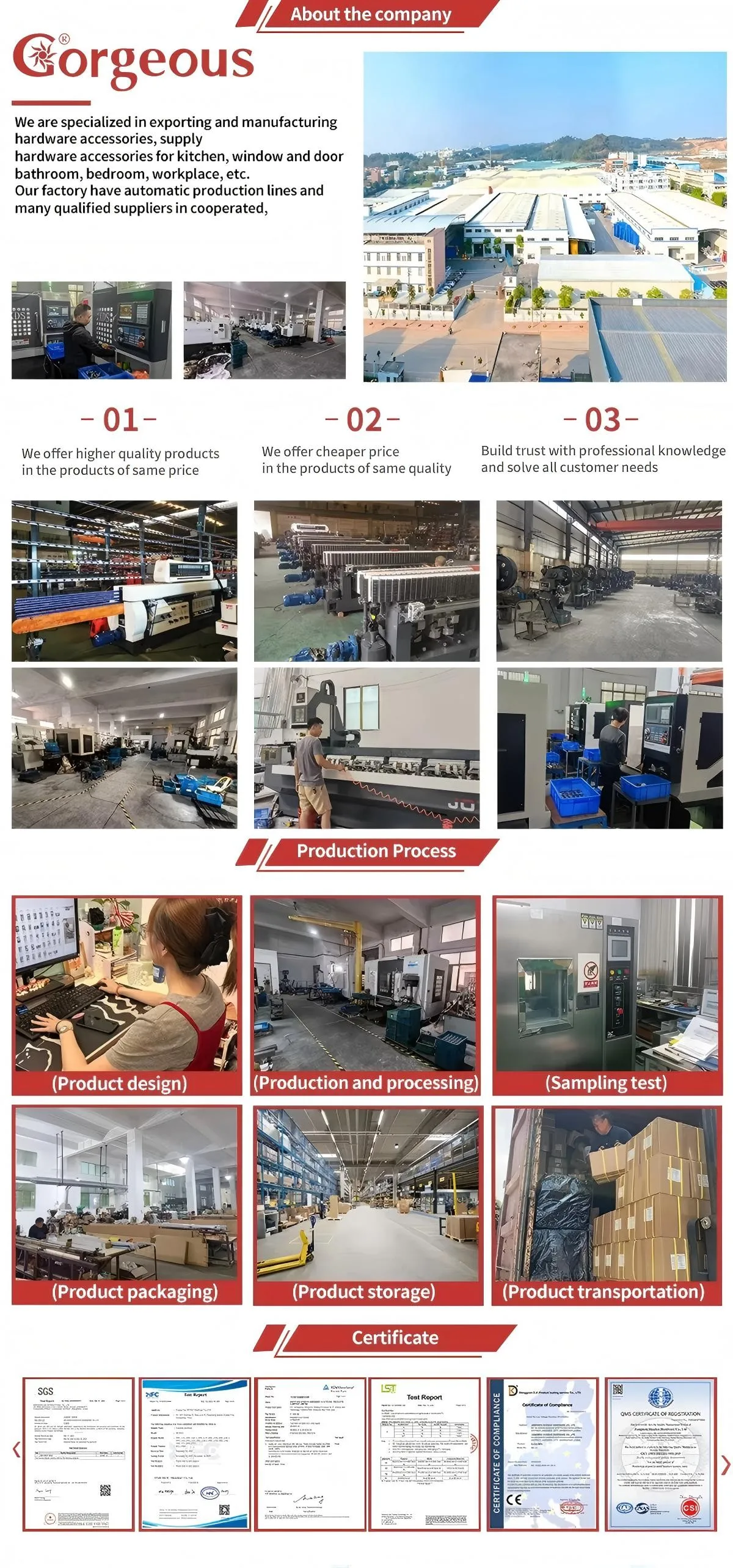
Every hinge batch is sampled on four points before packing. Function first: the hinge is worked through its full swing by hand and the damper must hold the last degrees of travel instead of letting the hinge snap shut, which is the only way to catch a hinge whose damper was filled short. Second, swing torque: the hinge should move with even resistance through its arc, and a hinge that feels notchy in the hand is pulled, because notchiness in a hinge arm is a sign of a pressed joint that will open up in the field. Third, plating: arm, cup and plate are inspected against the approved sample for coverage at the cup edge and in the plate slot edges, the two places a bath drains badly. Fourth, mass: a sample of hinges is weighed out of the carton, which catches a short supply or a substituted arm.
The batch is photographed before packing and the photographs are kept against the order. Where a buyer works with an inspection agent, the agent is welcome, and the hinges we pull for our own check are the ones shown to them.
Where This Hinge Belongs, And Where It Does Not
A fixed base hydraulic cup hinge is the right hinge for interior joinery in dry and moderately humid conditions: kitchens cleaned with a cloth rather than hosed down, wardrobes, vanity units in normal bathroom use, office, retail, school and clinical cabinetry. In all of those the hinge carries the door on a screw fixed plate with no release interface in the load path, which is what you want on doors that will be opened for years without being taken off.
It is the wrong hinge for a marine locker, a hosing-down area, a food processing room or an unventilated external cupboard, because moisture standing at the contact between the plate and the carcass and inside the arm pivot will work on a plated fitting regardless of the base style. It is also the wrong choice where the end user has to remove doors routinely without tools - for that duty a clip-on or hook plate hinge is the correct member of the family, and we would rather say so on the enquiry than have a buyer discover it after installation.
Where This Hinge Sits In The Range

F850G is the fixed member of the hydraulic cup hinge family we supply. Alongside it sit the clip-on versions with a plain aircraft base, the hook plate versions whose doors self detach by lift and pull, the standard narrow-plate hinges for light doors, the fixed and bent-cup variants that cover full-overlay and half-overlay applications, and the soft open versions. The cup boring is common across the family, so a buyer tooling up on this hinge can change the closing action or the plate style later without changing the boring template on the door line. That is why the family is normally specified together rather than one hinge at a time.
Who Makes This Hinge
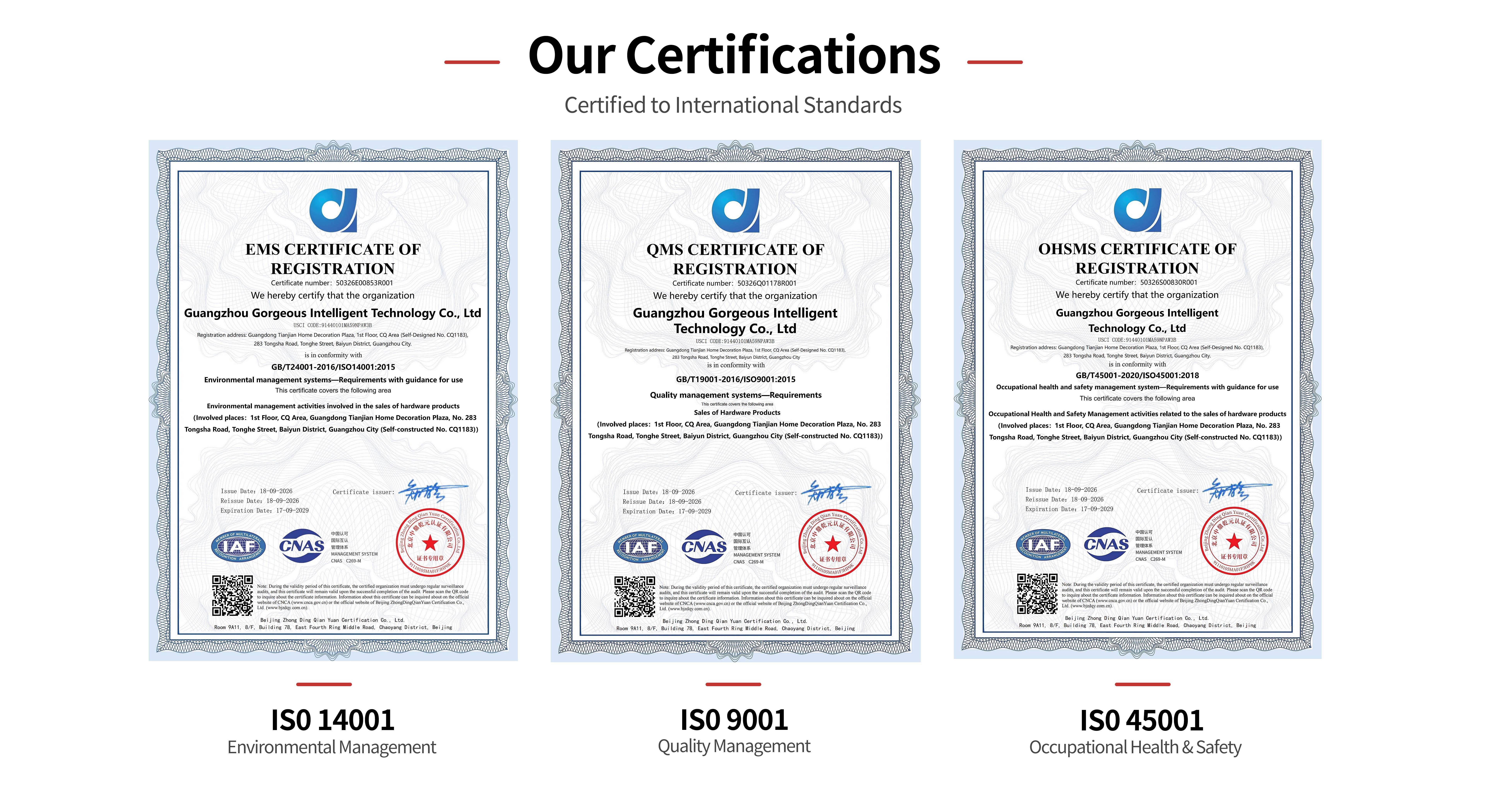
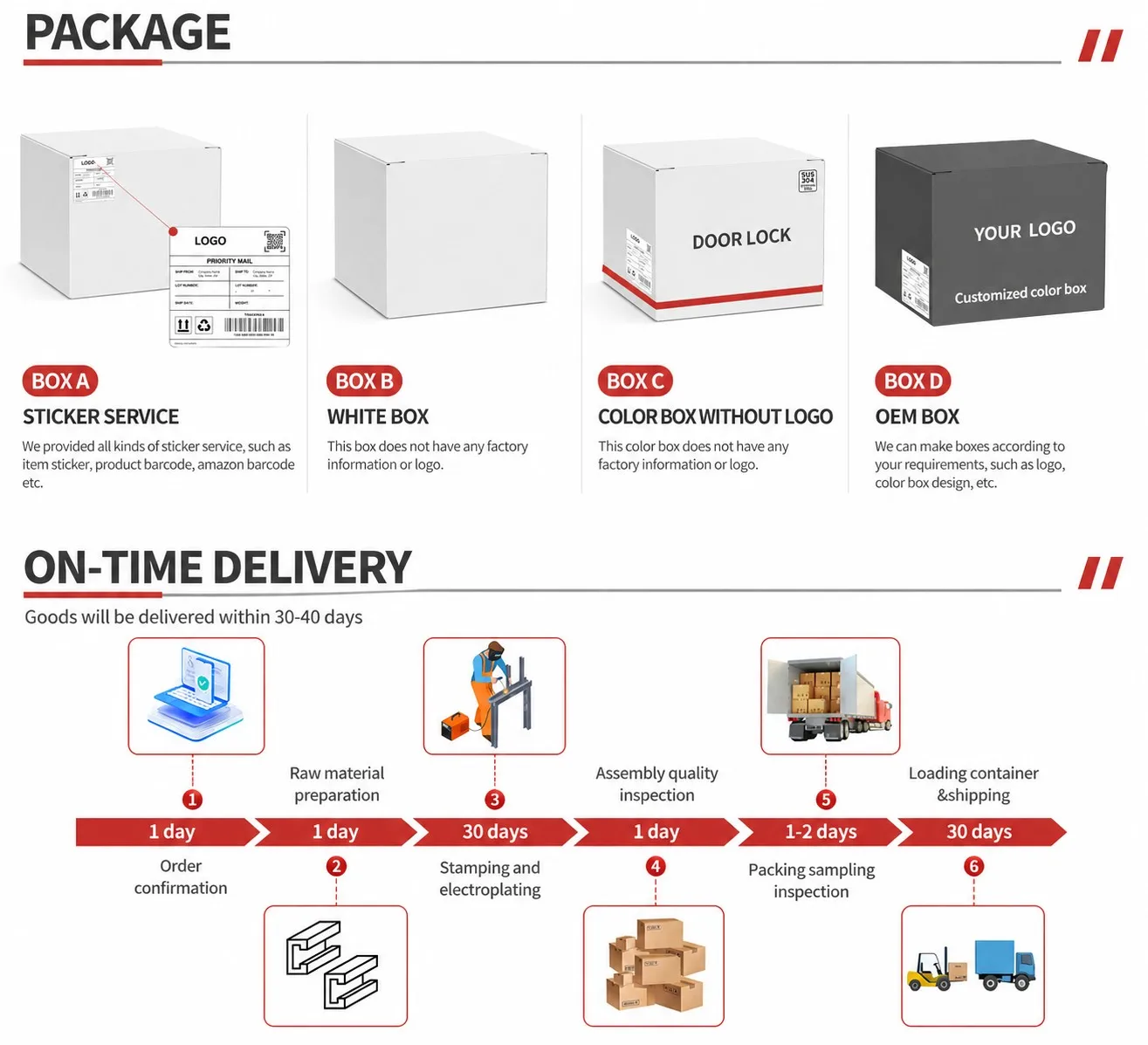
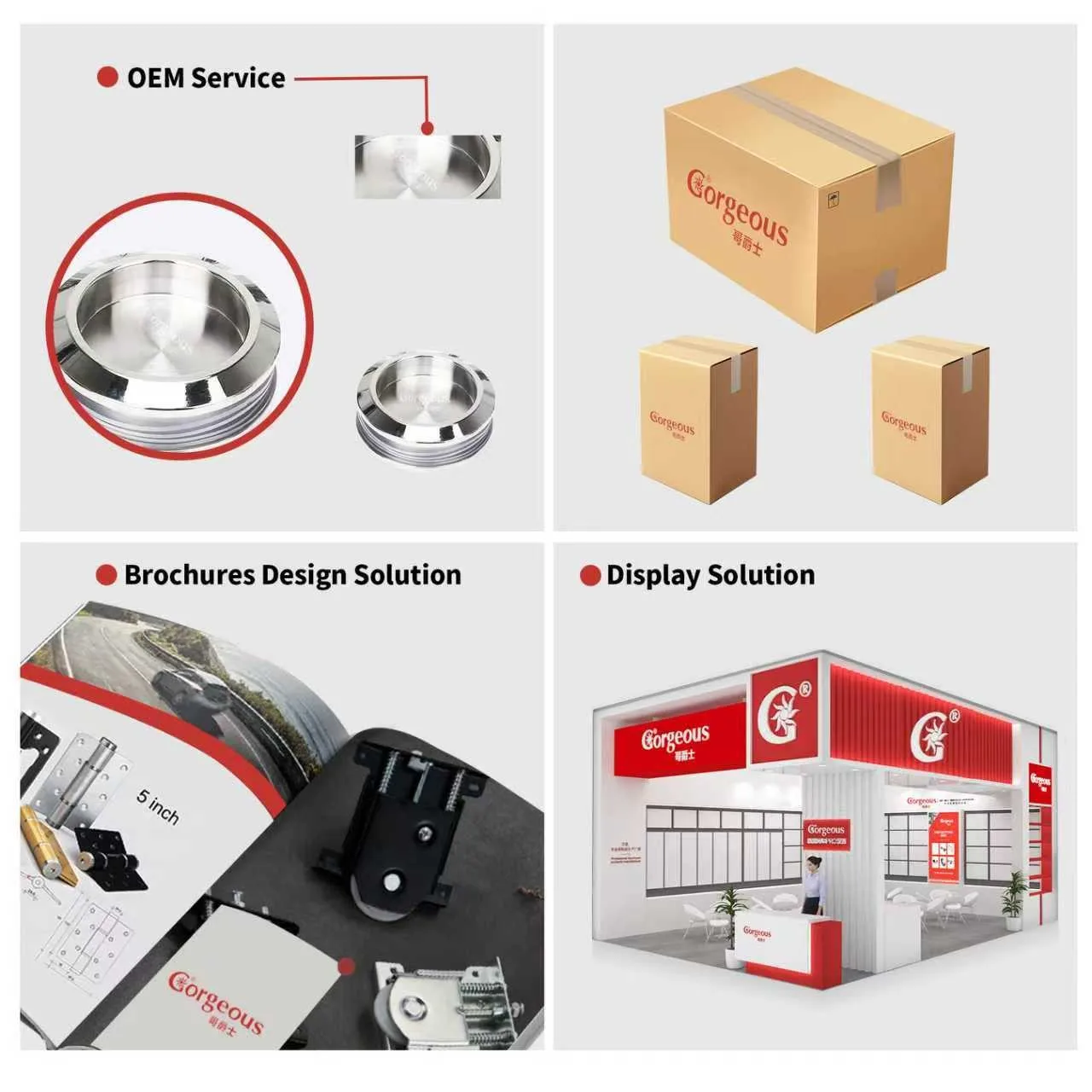
This hinge is produced for Guangzhou Gorgeous Intelligent Technology Co., Ltd., a furniture and architectural hardware supplier whose range covers hinges, drawer slides, handles, stays, legs, castors, locks and the fitting sets that go with them. The company works to export orders: carton quantities, marking, barcodes and the documents a buyer needs at their own customs are agreed before production rather than after it, and the hinge specification on the proforma is the specification that gets made.

Common Hinge Faults And What They Actually Mean
A door that drops over time is nearly always a fixing problem rather than a hinge problem. The hinge is the strongest part of the joint; the material the hinge screws into is not. In chipboard and MDF the holding power depends on the pilot hole and the screw gauge, and a plate that has been screwed and unscrewed several times during fitting loses grip. On a fixed base hinge this shows up as the plate pulling away from the carcass while the hinge itself is still sound, which is a reason to specify the fixing properly at first fitting rather than to move to a heavier hinge later.
A soft close hinge that stops damping has almost always been worked beyond its duty: either the door is heavier than the hinge was specified for, or the door has been pulled closed by hand against the damper. The damper in a hinge arm is a hydraulic restriction and not a brake, and repeated manual overrunning is what empties it. A hinge that corrodes at the plate contact in a damp cupboard is a duty specification issue, and it is why this hinge is not offered for wet areas.
A hinge arm that feels loose side to side after fitting is usually a sign that the door was forced into position while the plate screws were still short of home, so the arm was bent into alignment instead of the plate being moved. Slacken, align the plate in its slots, draw up, and check the arm again.
Questions Buyers Ask About This Hinge

- Is this hinge a soft close hinge?
- Yes. The folder name and the listing both put it in the hydraulic family, and the damper barrel is visible inside the arm in the top-down photograph. The word fixed in the name describes the base, not the closing action.
- Can the door be lifted off without tools?
- No. This is the fixed version of the family: the plate is screwed to the carcass and the door comes off by undoing screws. If you need tool-free door removal, the clip-on and hook plate members of the family are the correct choice.
- Why choose a fixed base over a clip-on hinge?
- Fewer parts in the load path, no chance of an accidental release, and a lower cost per hinge. On doors that are never removed in service those three points are worth more than the convenience of a clip.
- What can be adjusted after fitting?
- Door position in and out and side to side through the oval slots while the plate screws are loose, and door face alignment through the arm cam screws behind the rectangular window.
- Are screws supplied?
- Not as standard. Screw gauge and length depend on the door and carcass panel, and we would rather the buyer specify the fixing for the board than accept ours and find the holding power short.
- Can you supply a different cup angle or overlay?
- The boring is shared across the family, so overlay variants can usually be arranged. Send the door drawing and the required overlay figure and we will confirm what this hinge can be made to do.
Sign-Off Checklist Before You Order This Hinge
- Door mass and height confirmed against the hinge count, with an added hinge at mid height on tall doors.
- Door material and panel thickness confirmed against the screw holding requirement of the fixed plate.
- Cup boring diameter and depth confirmed against the drawing for this hinge, not against a previous hinge.
- Overlay requirement confirmed so the correct plate variant of the family is ordered.
- Confirmed that screw-fixed door removal is acceptable, since this model has no release clip.
- Screw specification agreed separately, since fixings are not supplied as standard with this hinge.
- Environment confirmed as dry or moderately humid; wet and hosed areas are outside the duty of this hinge.
- Packing, carton quantity and marking confirmed against the order before the hinge batch starts.
Ordering
Send the model number F850G with the quantity, the destination port and the carton marking you need. Sample quantities are available before a production order so the hinge can be bored and swung in your own panels, which is the quickest way for both sides to agree that the hinge is right for the job. Drawings and whatever test documentation we hold for this hinge model are issued on request, and delivery and payment terms are agreed order by order on the proforma rather than assumed.


Comprehensive score