


Fixed Hydraulic Cup Hinge Soft Close Cabinet Door F836G
F836G Fixed Cup Hinge, Hydraulic Soft Close
Fixed hinge assembly · hydraulic soft close · screw fixed cup and plate · for kitchen, wardrobe and contract cabinet doors
Product Overview

The F836G is a concealed cabinet hinge built on a fixed assembly: the hinge and its fixing side go on as one unit, are screwed down in position, and stay there until somebody decides to take them off. There is no clip to release and no plate to locate separately, which is exactly why a large number of door factories still specify this style of hinge. Fewer parts in the assembly means fewer ways for the hinge to be put together wrongly on a busy line, and a hinge that is fixed in place cannot drift out of engagement when a door is lifted or knocked.
This page describes the F836G as the fixed version of the F836 family. The family is split by the tail and by the fixing method rather than by the cup, so an F836 ordered without stating the variant is an incomplete order. Where the same door can take a fixed hinge or a detachable plate hinge, the decision is made by the assembly method in the factory and by the service expectation on site, and we would rather have that conversation before production than receive a complaint after a container has been unloaded.
Three hinge bodies appear in the opening photograph, arranged so the cup, the arm and the fixing side can all be read at once. That is the useful way to photograph a hinge for a buyer who will not see the physical part before the order: geometry first, then finish, then the detail of the fixing holes. A hinge selected from a glamour shot is a hinge selected on guesswork.
What The Photographs Show

One frame in the set is a weighing check rather than a beauty shot. A single hinge is standing on the scale and the display reads 96. Buyers rarely get a number like this published, because it invites comparison, but mass is one of the few things about a hinge that can be verified on the loading bay without any paperwork at all. A hinge in this class is expected to be substantial: enough metal in the arm, the elbow and the cup that the assembly does not flex when a tall door is swung hard.
Use the figure the way a goods-in check uses it. Weigh the first hinge from a new delivery and compare it with the sample that was approved. A noticeable drop in mass on the same model code is one of the earliest warnings that a section has been thinned or a component has been changed, and it costs nothing to detect. Treat 96 as the reading from this production run rather than as a catalogue specification, because the quoted weight of a hinge depends on the tail, the plate and the damper fitted to it.
The remaining frames show the hinge in a row of three from the front, in a staggered group and in a close perspective view. Those angles are chosen because they expose what a single tidy view hides: whether the arms are straight, whether the cups are symmetrical, whether the finish is even across the shoulder of the arm and whether the fixing holes are clean and deburred.
Fixed Assembly Or Detachable Plate
A fixed hinge is screwed down as one piece. That gives a rigid, zero play connection between door and cabinet, and it removes the clip jaw, which in a cheap detachable hinge is the part that either will not release or releases whenever the door is lifted for no reason. The cost of a fixed hinge is paid at the moment of service: to take the door off, the screws come out, and somebody has to hold the door while they do it.
A detachable plate hinge is faster to hang and faster to remove, which suits flat packed furniture that is delivered to a customer who will lift the door off to move a appliance through the room. It depends on the clip being made correctly and on both plate and hinge being from matching tooling, and it introduces one more part that can be ordered wrongly.
Neither answer is universal. A door factory running a fixed assembly line with a hinge fed into the boring station usually prefers the fixed version, because the process has fewer steps. A distributor shipping knock down furniture to retail usually prefers the detachable version. This listing is the fixed version, and the family also covers the detachable options, so specify which one the business needs rather than assuming a model number carries it.
How The Hydraulic Close Behaves
The damper in this hinge works on the last part of the closing arc, not on the whole swing. The door still opens with a normal, light effort and still moves freely through most of its travel; it is only near the shut position that the hinge takes over and eases the door home. That is the behaviour a buyer is actually paying for. A hinge that damps the entire arc feels reluctant to open and makes a heavy door feel worse, which is why a badly specified soft close hinge gets disconnected on site and then reported as faulty.
The benefit to the furniture is longer than the benefit to the user. Every door that drops shut sends a shock through the arm into the bored cup and through the fixing screws into the cabinet side. Repeated thousands of times, that shock is what turns into a loose hole, a crushed board edge and a door that no longer sits parallel to its neighbour. Slowing the last few degrees removes most of the impact, and on a fixed hinge, where the whole assembly is one rigid connection, removing the shock protects the board rather than being absorbed by a clip joint.
The soft close is an option on this hinge rather than an unavoidable default, and it is visible: the damped element sits in the arm where an inspector can see it. State the requirement on the order and check it on the sample, because a plain and a damped hinge from the same tooling share almost every other visual feature.
Key Features
- Fixed hinge assembly with no clip joint, giving a rigid connection with no play between door and cabinet.
- Hydraulic soft close acting on the final part of the arc, with the damper visible for incoming inspection.
- Concealed cup mounting so the hinge is hidden when the door is closed and only the arm shows in the reveal.
- Screw fixed cup and side, suitable for automatic or manual assembly on a door production line.
- Even plated finish, photographed on a white background so dull patches, pitting and forming marks cannot hide in shadow.
- Weighing check published, so the same hinge can be re-weighed at goods in against the approved sample.
- Family options covering different tails and fixing methods, so one door detail can be served with matching hinge geometry.
Technical Reference
| Item | As supplied | Note for the buyer |
|---|---|---|
| Model | F836G | Fixed version of the F836 family |
| Hinge type | Concealed cup hinge, fixed assembly | Door is removed by undoing screws |
| Closing action | Hydraulic soft close option | Must be stated on the order |
| Mounting | Bored cup, screw fixed | Automatic or manual assembly |
| Material and finish | Steel hinge, bright plated finish | Grade, plating and salt spray data on the test sheet |
| Boring data | Per drawing | Confirm against the boring machine before the run |
| Overlay and arm curve | Per selected variant | Decided from the cabinet section, not from habit |
| Adjustment | At the fixing holes | No packing behind the arm |
| Bench weight check | 96 on the shop scale | Spot check reference, not a catalogue figure |
| Supply condition | Assembled hinge | Bulk or boxed packing on request |
Dimensions, cycle life, corrosion test evidence and packing quantities are issued on the drawing and test sheet that accompany the quotation. Nothing on this page should be used as a technical substitute for that document, and a hinge that has not been checked against a specific door and cabinet detail should not be assumed correct because the family looks familiar.
Fitting This Hinge

Bore the cup to the pattern on the drawing, blow the dust out, seat the hinge square and deep enough that the arm sits below the door face, then drive the screws. In a fixed hinge the depth of the bore matters more than in a clip on version, because there is no clip travel to absorb a hinge that is sitting proud. A hinge left proud of the face shows as a door that will not close into the reveal, and the fitter usually blames the hinge.
Hold the door at the intended reveal, drive the fixing screws into the cabinet side, then check the swing before the panel is moved off the bench. Two people and a simple jig will set a whole batch consistently; a single fitter holding a door by hand will produce a run of cabinets that each need their own adjustment.
Adjusting After Fitting
A fixed hinge still needs to be set, and it is set at the screws. Loosen the fixing screws a turn, move the hinge body within the play the holes allow, retighten and re-check the reveal. Face alignment comes from the screw position, depth comes from the bore and from the seat of the arm, and neither is corrected by packing material behind the hinge, which simply stores up a problem for the next fitter who removes the door.
Where a run of doors has to match, set the first door completely, then use it as the reference instead of measuring every door again. If one door needs repeated adjustment while its neighbours are stable, look at the boring first: an over deep or under deep cup changes the geometry of a fixed hinge far more than it changes the geometry of a clip on hinge.
Choosing Within The F836 Family
The F836 range is separated by what the tail is made of and by how the hinge is fixed, not by the appearance of the cup. A buyer looking at two photographs side by side may not be able to tell the variants apart, which is precisely why the code has to be read on the packing and not inferred from the shape in a picture. The related F836H is identified in our own catalogue by an alloy tail, while this F836G is the fixed version, and the two are not interchangeable on a job that has already been quoted.
Send the cabinet section, or a photograph of the door closed with the existing hinge visible, and we will confirm the correct member of the family against the overlay, the reveal and the door thickness. Comparing the arm curve and the fixing side of an old hinge is more reliable than comparing a printed model number, because model numbers are not standardised between suppliers.
Hinge Count Per Door
Count hinges by door height and door load, not by the number that was used on the last job. Two hinges on a tall door concentrate the whole lever load on two fixings, and the top corner drops within a few thousand cycles; the drop is then reported as a hinge failure when it is a count decision. Add the third hinge where the door is tall, add a fourth where it is tall and heavy, and place the upper fixing so it supports the corner instead of simply dividing the spacing evenly.
Heavy doors, doors with mirrored or stone effect panels and doors in damp rooms all reduce the margin. Where the board may swell, a hinge count that looked adequate on a drawing can become marginal in service, so treat a damp room door as one size up in hinge count rather than as a place to save a part.
What To Check On A Hinge Sample
- Bore a test panel and fit the hinge. It should sit below the face without force and without a gap at the shoulder.
- Open the door to ninety degrees and release it. A damped hinge should close without a knock and should not stall short of shut.
- Look along the arm under raking light for a dull, bloched or mottled finish and for plating that has pulled away from the shoulder.
- Drive and remove a screw once to confirm the hole walls are clean and that the screw head seats flat rather than biting into the slot.
- Weigh the sample on the shop scale and record the figure, so future deliveries have something to be compared with.
- Confirm the arm curve and the fixing type against the cabinet detail before the sample is signed off, because this is what a warehouse cannot detect later.
Our Factory And How We Supply
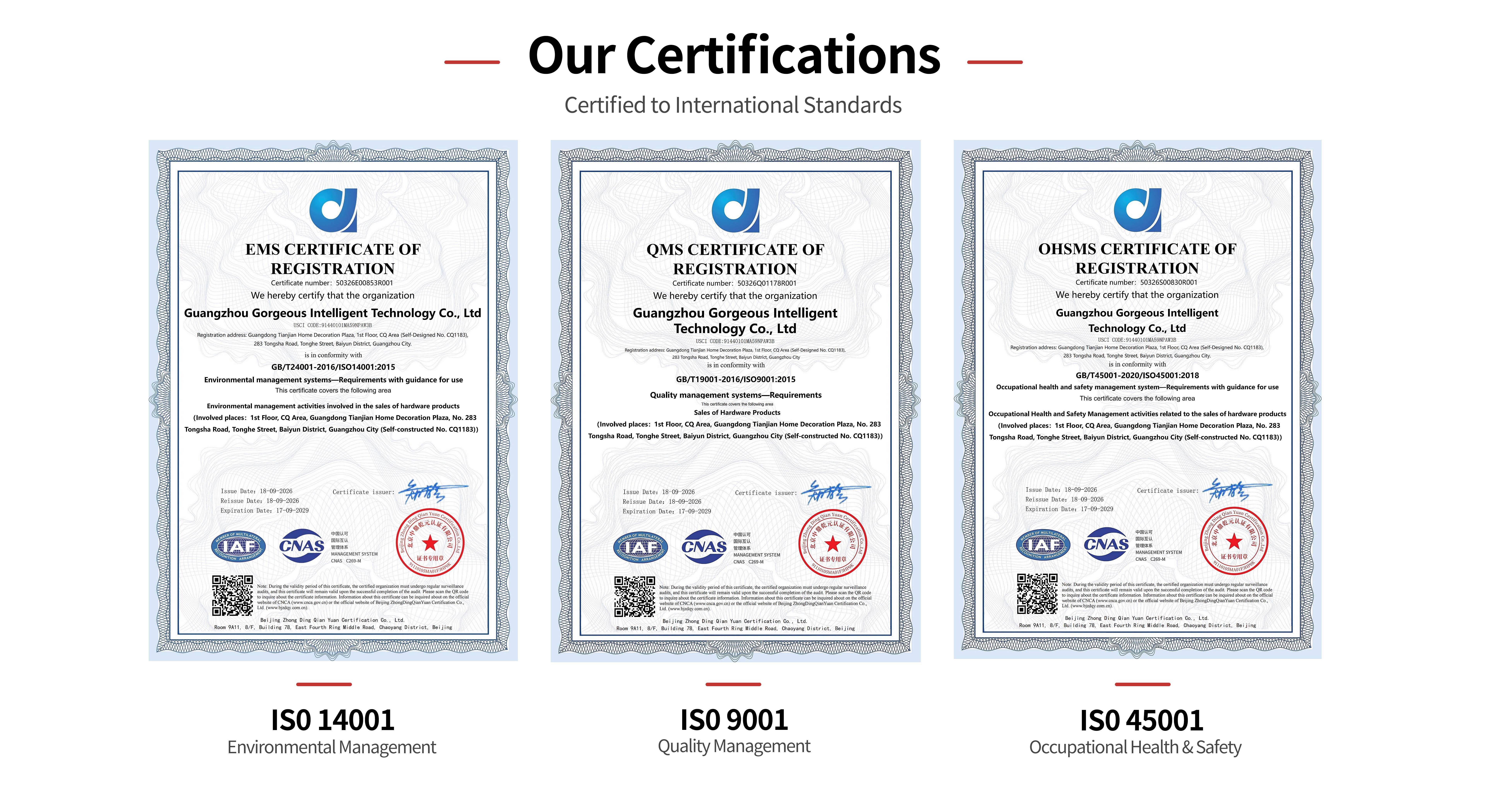
We manufacture furniture and architectural hardware, with cabinet hinges as one of the core lines, and we supply wholesale, project and OEM buyers. Drawings are issued on request, boring data is confirmed before a run starts, and packing is planned around the line that will consume the hinge rather than around a shelf pack that nobody uses.
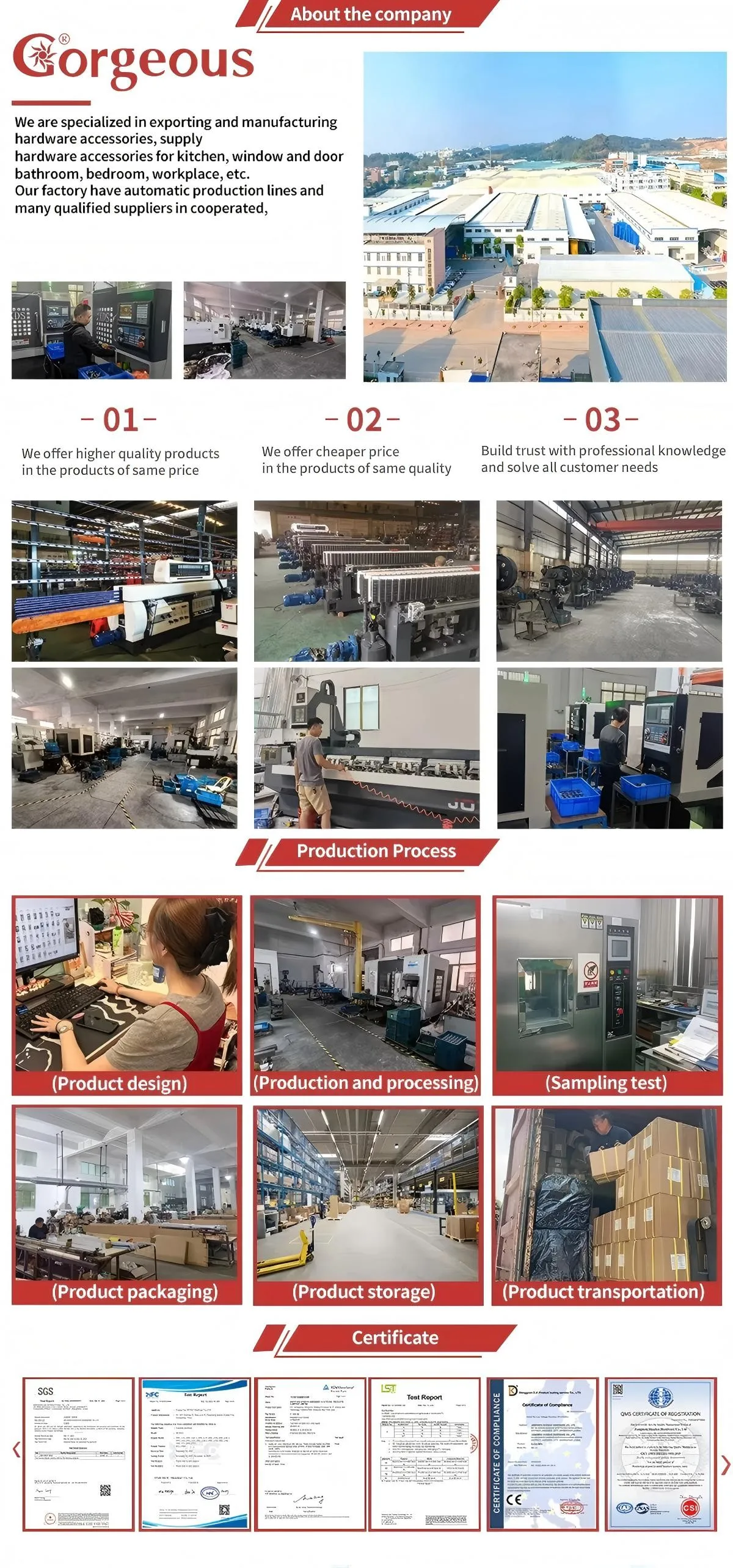
In process checks cover damper function, arm and cup appearance, elbow movement, plating continuity and the condition of the fixing holes. Checks are taken from the running production, because a reference sample proves the tooling and not the batch that is about to be shipped.
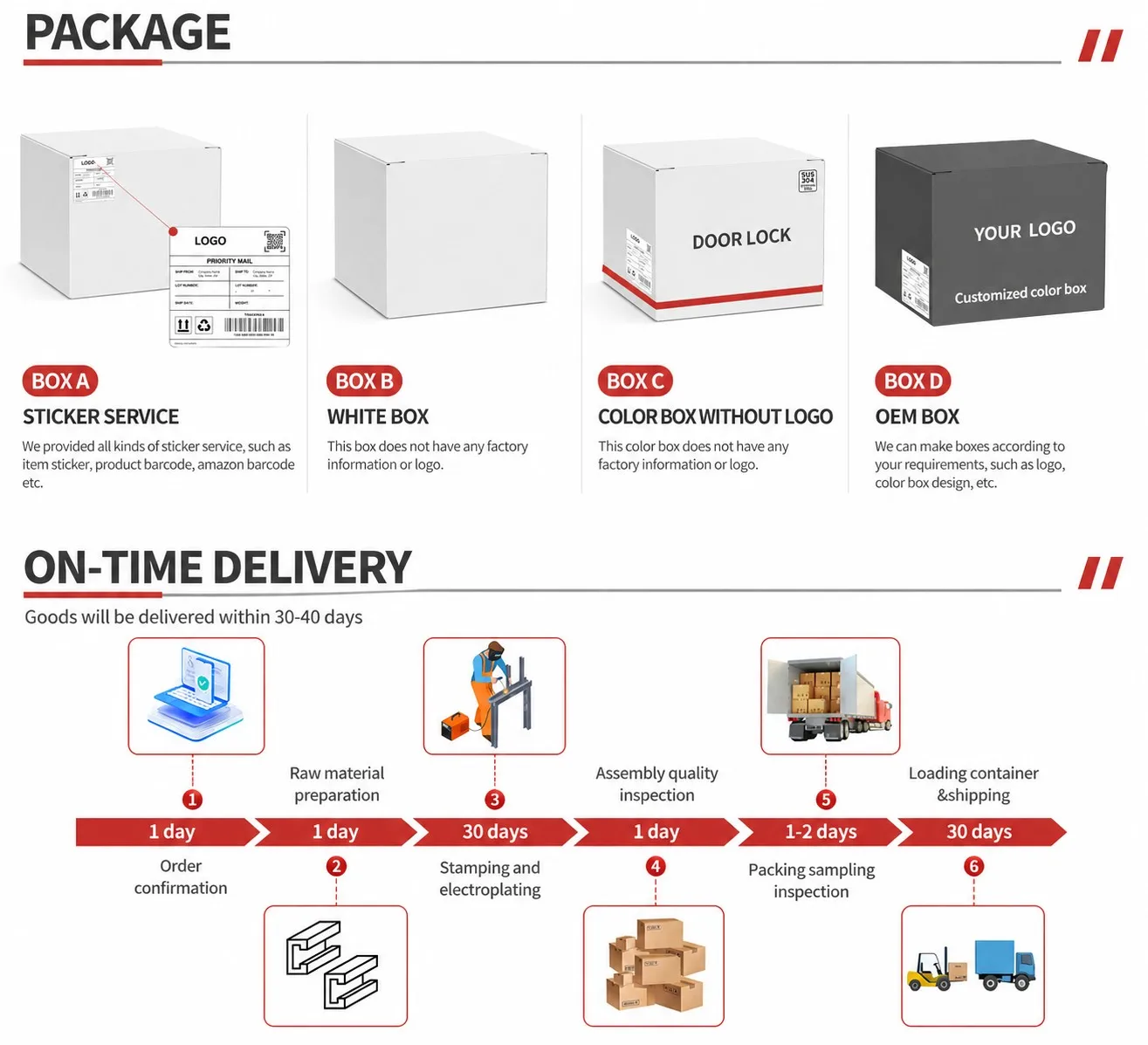
Packing follows the receiving operation: bulk packed where a door factory feeds hinges straight into boring and assembly, or boxed and labelled where a distributor has to shelf and scan the item. State it on the enquiry and it becomes a confirmed line on the order.
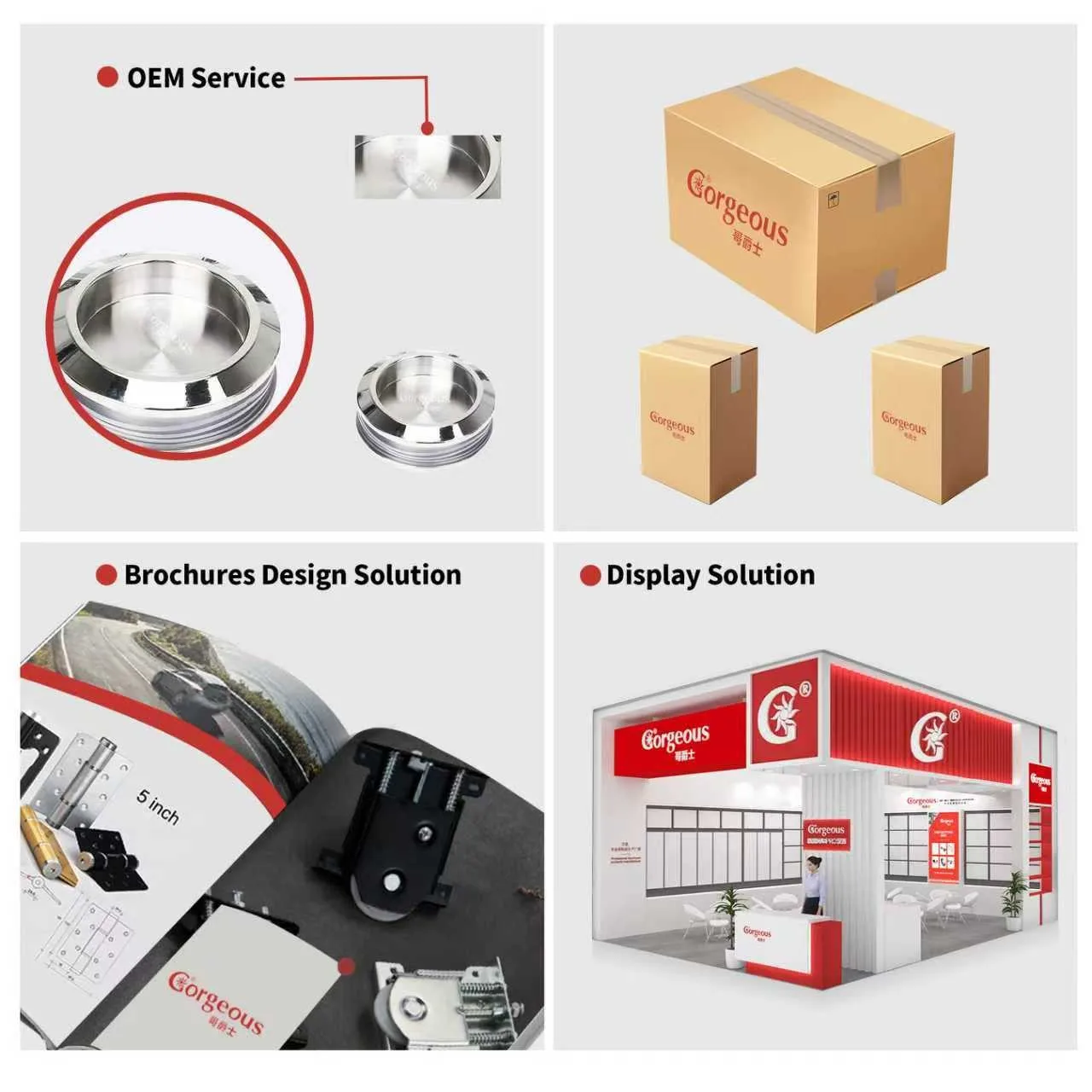
Mixed containers are normal work here. A buyer consolidating hinges with handles, slides, legs, locks and fittings gets one shipment, one set of documents and one point of responsibility, which is easier to run than four orders arriving in four separate weeks.

Engineering support covers hinge selection, boring layout, door weight and hinge count, and the documentation a project buyer has to file. Where a submitted drawing and this hinge disagree, we raise it before production instead of shipping a hinge that will have to be adjusted on site.
Common Faults And What Causes Them
- Door will not close into the reveal. Cup bored too shallow, board swollen, or the arm sitting proud of the door face.
- Door drops and slams. The plain version was received where the damped one was ordered, or the arm curve does not suit the overlay.
- Hinge pulls out of the cup. Over sized bore, a burnt bore wall from a dull cutter, or screws driven past the point where the fibre holds.
- Cup edge chipping. Dull boring tool or a fast spindle on a fragile melamine, which shows later as a crack running from the cup.
- Doors out of parallel after a year. Too few hinges for the door height, so the top fixing carries a load it was never sized for.
- Rust marking on a light door. A plated hinge used in a damp or washed down area, which is a specification decision rather than a manufacturing defect.
Frequently Asked Questions
Is this a clip on hinge? No. It is the fixed version, screwed down as one assembly, and the door is removed by undoing the screws. Where a detachable plate version is required, say so and the family option will be quoted instead.
Which material and grade? This hinge is a steel hinge with a bright plated finish. The grade, plating thickness and any salt spray result are stated on the drawing and test sheet issued with the quotation, and that document is what should be filed against the part number.
Can it be used in a bathroom? A plated hinge in a wet room needs a corrosion figure behind it rather than an assumption. Tell us the service environment and we will confirm whether this version is suitable or whether a stainless member of the range is the correct call.
Does the damper slow the whole opening? No. It acts only on the last part of the arc, so opening effort stays normal and the door simply eases shut instead of dropping.
What screws should be used? Board screws matched to the panel material and thickness. The wrong length either fails to hold or breaks out the far face, so state the panel type when ordering.
Can you support a project schedule? Yes. Send door sizes, quantities and the cabinet section, and you receive a hinge count, an arm recommendation and a packing proposal against the same schedule.
Sign Off Checklist Before This Hinge Is Locked Into A Range
- Fixed or detachable decision written down against the assembly method that will fit it.
- Arm curve and overlay agreed from the cabinet section, not from a photograph of an old hinge.
- Soft close requirement written on the order and repeated on the purchase order.
- Boring drawing matched to the machine, with bore depth and cleanliness verified on a test panel.
- Screw specification agreed for the actual board, including moisture resistant board where used.
- Hinge count per door signed off by door height and door weight.
- Corrosion expectation written down for the service environment, with grade and test evidence attached.
- Sealed sample retained and weighed, with each new delivery weighed and swing tested against it.
Swapping A Hinge Without Re-Boring The Door
Replacing one hinge with another hinge is only free when the new hinge boring pattern matches the old hinge exactly. Before a hinge is swapped, put the old hinge and the new hinge face to face and compare the hole centres, because a hinge that is a few tenths off will still fit the cup while leaving the hinge arm out of line with the door edge. A hinge chosen on price alone is rarely the cheapest hinge once a door has to be re-bored, and a hinge family that keeps the boring pattern constant across the range is worth more than a small saving on the unit price of the hinge.
Where a hinge change is unavoidable, change the hinge on both doors of a pair, not on one, and re-check the reveal on the whole cabinet run rather than on the hinge that was touched. This is also the moment to confirm the hinge count, since a hinge already loosening out of its cup is usually telling you the hinge count was too low for that door.
Ordering And Quotation
Send the model, the first order quantity and the annual estimate, the destination port and one sentence on where the furniture will be used. From that we quote the correct member of the F836 family, the matching fixing detail, the packing proposal and the drawings for your file. A buyer who states the duty in the first message gets a faster and cheaper answer than one who corrects the hinge after the container has sailed.
Guangzhou Gorgeous Intelligent Technology Co., Ltd. — furniture and architectural hardware manufacturer. Cabinet hinges, handles, drawer slides, locks and fittings for wholesale and OEM buyers. Export from China.


Comprehensive score