


Hook Aircraft Base Cup Hinge Hydraulic Soft Close F850FHa
F850FHa Aircraft Base Cup Hinge, Soft Close, Hook Clip-On Plate
Wing-shaped aircraft base with hook tabs · self detaching clip-on door fitting · hydraulic soft close cup hinge · for kitchen, wardrobe and contract joinery
Product Overview

F850FHa is a concealed cabinet hinge built around an aircraft base: a clip-on mounting plate whose two fixing wings spread out to either side of the hinge instead of running as a single narrow strip, with a hook tab formed at the outer end of each wing. That combination is what the Chinese catalogue name for this fitting describes in hardware terms: an American-style hook plate on an aircraft foot, made to be self detaching, so the door lifts off the hinge without tools and clips back on the same way. The hinge itself is a hydraulic cup hinge, so the closing action of the door is controlled by a damper working inside the arm rather than by the door banging into the carcass. A buyer choosing this hinge is normally buying two things at once: the holding power of a wide four-hole base, and the serviceability of a hinge that comes apart when a door has to come off.
Because the hinge is a clip-on design, the two halves of the fitting stay independent after assembly. The cup and arm go on the door, the aircraft base goes on the carcass, and the hinge clips the two together. On a production door line that is a real time saving, because the door can be hung, removed for adjustment, and re-hung while the hinge plate on the cabinet stays exactly where it was set. The plate is held by four fixings per side pattern plus the hook tabs, so the hinge does not depend on a single screw line to carry the door weight.
What The Aircraft Base And The Hook Tabs Actually Do
A standard cabinet hinge mounts to a flat plate with two holes. An aircraft base replaces that plate with a shaped foot that carries two round locating holes and two oval adjustment slots, one pair of each on the wings you can see in the photographs. The round holes locate the hinge at the position you have drilled or drawn. The oval slots then allow the hinge to be slid along the slot axis after the screws are drawn up loosely, so the door can be moved in and out and side to side without removing the hinge from the carcass. That is the difference between a hinge that can be adjusted and a hinge that has to be re-screwed.
The hook tabs are the second half of the story. Each wing terminates in an upward-formed hook. When the hinge is pushed onto the plate, the arm bed clicks against the plate face and the hook seats against the edge of the fixing area, so the hinge resists being pulled straight off under the weight of a hanging door. To remove the door you lift it to carry the load off the hinge and then pull the hinge off the plate, which is why the fitting is described as self detaching. No release lever is fitted to this hinge, and the photographs do not show one; the release action is a lift and pull, which is the American hook style rather than a button clip.
For a service team this matters more than it sounds. A door on a fixed plate hinge has to be unscrewed to be removed, and unscrewing a hinge that has carried a door for years is how stripped chipboard fixings are made. On this hinge the door comes off at the hinge, and the screws never have to move. That is the practical reason contract buyers specify a hook aircraft base hinge for wardrobes, vanity units and any joinery where doors will be taken off more than once in the life of the furniture.
What You Get On This Hinge
- A hydraulic soft close cup hinge: the damper works inside the arm and closes the door under control at the end of the swing.
- An aircraft base mounting plate with two round locating holes and two oval adjustment slots, for in-and-out and side-to-side door adjustment.
- A hook tab formed at the outer end of each wing, so the hinge self detaches by lift and pull rather than by screwing anything off.
- A clip-on coupling between arm and plate, so the door can be hung and re-hung while the plate stays set on the carcass.
- A cup with two round countersunk fixing holes, drilled for a standard concealed hinge boring.
- Two adjustment screws in the arm with a rectangular window between them, for cam adjustment of the door gap.
- A damper and spring assembly visible in the arm channel, which is the part of the hinge that does the soft close work.
Technical Reference For This Hinge
We publish figures for a hinge only when they are on our drawing or on our sheet. For F850FHa the geometric set - cup diameter, cup depth, hole pitch, the distance from the cup bore to the plate face, the fixing centres of the base and the opening angle of the hinge - is issued on the drawing on request, and the drawing is the document a buyer should machine from. What we can state here is the mass and the fitting behaviour, both of which we can check without a drawing office.
Reference mass: our internal product sheet lists this hinge at approximately 103 g per piece. Treat that as a catalogue figure for freight planning rather than a packing-list figure; the batch weight is confirmed at despatch, because the damper fill and the plating build vary slightly between runs and a hinge scale reading taken from one sample is not a promise about ten thousand hinges.
| Item | As published for F850FHa |
| Hinge type | Concealed hydraulic cup hinge, clip-on, self detaching |
| Mounting plate | Aircraft base, wing shaped, four fixings (two round holes and two oval slots) |
| Release | Hook tab plate, American style - lift the door and pull the hinge off the plate |
| Closing action | Hydraulic soft close damper in the hinge arm |
| Door adjustment | Oval slots on the base plus arm cam screws behind the rectangular window |
| Reference mass | Approximately 103 g per hinge (catalogue figure, batch confirmed on the packing list) |
| Fixings | Not supplied unless requested - screw gauge and length depend on the panel material |
| Dimensions and cycles | Issued on the drawing and on request; not guessed in this listing |
We do not print a load rating, a cycle count or a corrosion class for this hinge on the listing, because those are test results rather than descriptions and they belong on a test report for the batch. If your project needs them, ask and we will issue what we hold for this hinge model against the batch you are buying.
Fitting This Hinge
Bore the door for the cup, set the cup in the boring and drive the two countersunk screws. Fix the aircraft base to the carcass through the round holes first, leaving the screws short of home so the plate can still slide in its oval slots. Offer the door to the carcass at the gap you want and push the hinge onto the plate until the hinge seats; the hook tabs take the load of the door and stop the hinge working off the plate. Then draw the plate screws up and use the arm cam screws behind the rectangular window to bring the door face level with its neighbour.
Two points that decide whether a hinge of this type gives trouble. The first is the depth and cleanliness of the cup boring: a hinge sitting proud of the door face in a shallow boring will load the hinge arm sideways every time the door closes, and no hinge is designed for that. The second is screw length in the carcass. An aircraft base carries the door on four fixings and two hooks, which is exactly the situation in which a short screw feels fine on the bench and fails later in service. Specify the screw for the panel, not the fixing plate.
How Many Hinges A Door Needs
The hinge count is set by door height and door mass, not by taste. A door under roughly two kilograms and under 900 mm high can be carried on two hinges of this type. Over that, add a third hinge at the mid-height position, and continue to add one hinge for each further increment of height or mass, because the failure in a tall door is never the hinge at the top - it is the middle of the door sagging while both end hinges stay sound. The advantage of an aircraft base in a three-hinge door is that the extra fixings of the hook plate carry the rack load that a wide door puts across the hinge line when it is swung hard.
For soft close doors, the number of hinges also sets the closing feel. A damper hinge is dimensioned to close a door of a given mass; on a heavy door carried on the minimum number of hinges the damper is working at the top of its range and the last few degrees of travel slow noticeably. Putting one more hinge on the door spreads the same job across more dampers and is usually the cheaper correction than specifying a heavier hinge.
What We Check Before A Hinge Order Leaves
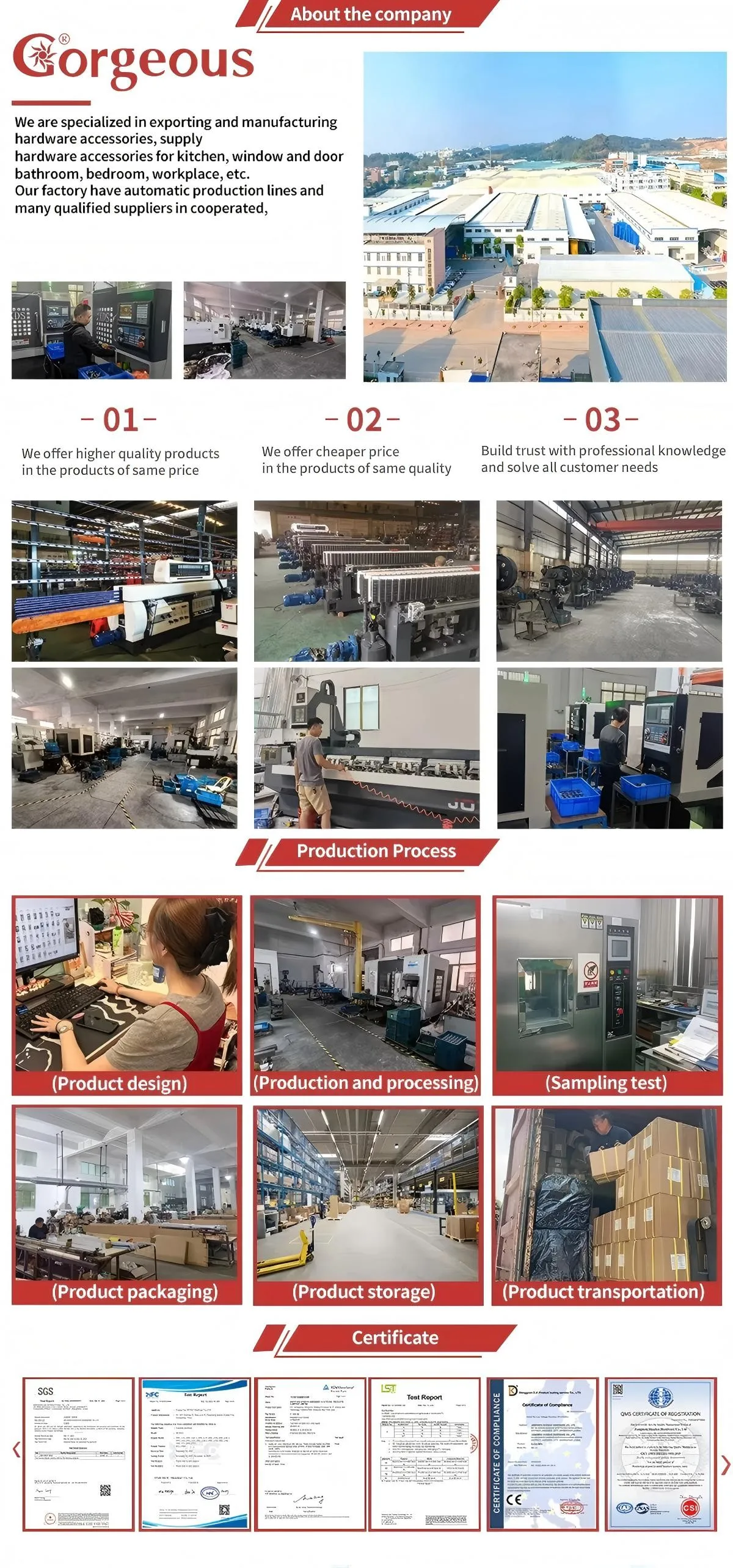
Every hinge batch we ship is sampled on the same four points. First, function: the hinge is worked through its full swing by hand and the damper must hold the last degrees of travel rather than letting the hinge snap shut, which is the only way to find a hinge with a damper that was filled short. Second, clip force: the hinge must push onto the aircraft base with resistance and must not come off under the weight of a loaded door, but it must also release by lift and pull without a tool. Third, plating: the hinge arm and plate are inspected against the approved sample for coverage at the cup edge and inside the hook tabs, which are the two places a plating bath drains poorly. Fourth, mass: a sample of hinges from the carton is weighed, which catches a missing plate, a short-supplied hinge or a damper that was replaced by a cheaper empty arm.
We photograph the batch before packing and keep the photographs against the order. Where a buyer has an inspection agent, the agent is welcome, and the samples we pull for our own check are shown to them rather than swapped afterwards.
Where This Hinge Belongs, And Where It Does Not
A hook aircraft base hinge with a wide clip-on plate is the right hinge for interior furniture in dry and moderately humid conditions: kitchens that are washed with a cloth rather than hosed down, wardrobes, vanity units in normal bathroom use, office and retail joinery, medical and laboratory casework that is cleaned but not soaked. In all of those the hinge is carrying a door on four fixings and two hooks, and the plate geometry gives the screws enough material to hold.
It is the wrong hinge for a marine locker, a hosing-down area, a food processing room or an unventilated external cupboard. Where moisture stands at the contact between the plated arm, the plate and the hooks, corrosion starts in the gap and not on the visible face, and by the time the hinge shows it the hinge has already lost its clip force. This hinge is not offered for that duty and we will say so on an enquiry rather than let a buyer discover it in year two.
Where This Hinge Sits In The Range

F850FHa is the hook-plate member of the aircraft-base family we supply. Alongside it sit the plain aircraft-base versions without hook tabs, the standard narrow-plate hinges for light doors, the fixed and bent-cup variants for full-overlay and half-overlay applications, and the soft close and soft open hydraulic hinges that share the same cup boring. Because the boring is common to the family, a customer tooling up on this hinge can change the closing action or the plate style on the same door without changing the boring template, which is why the family is usually specified together rather than one hinge at a time.
Who Makes This Hinge
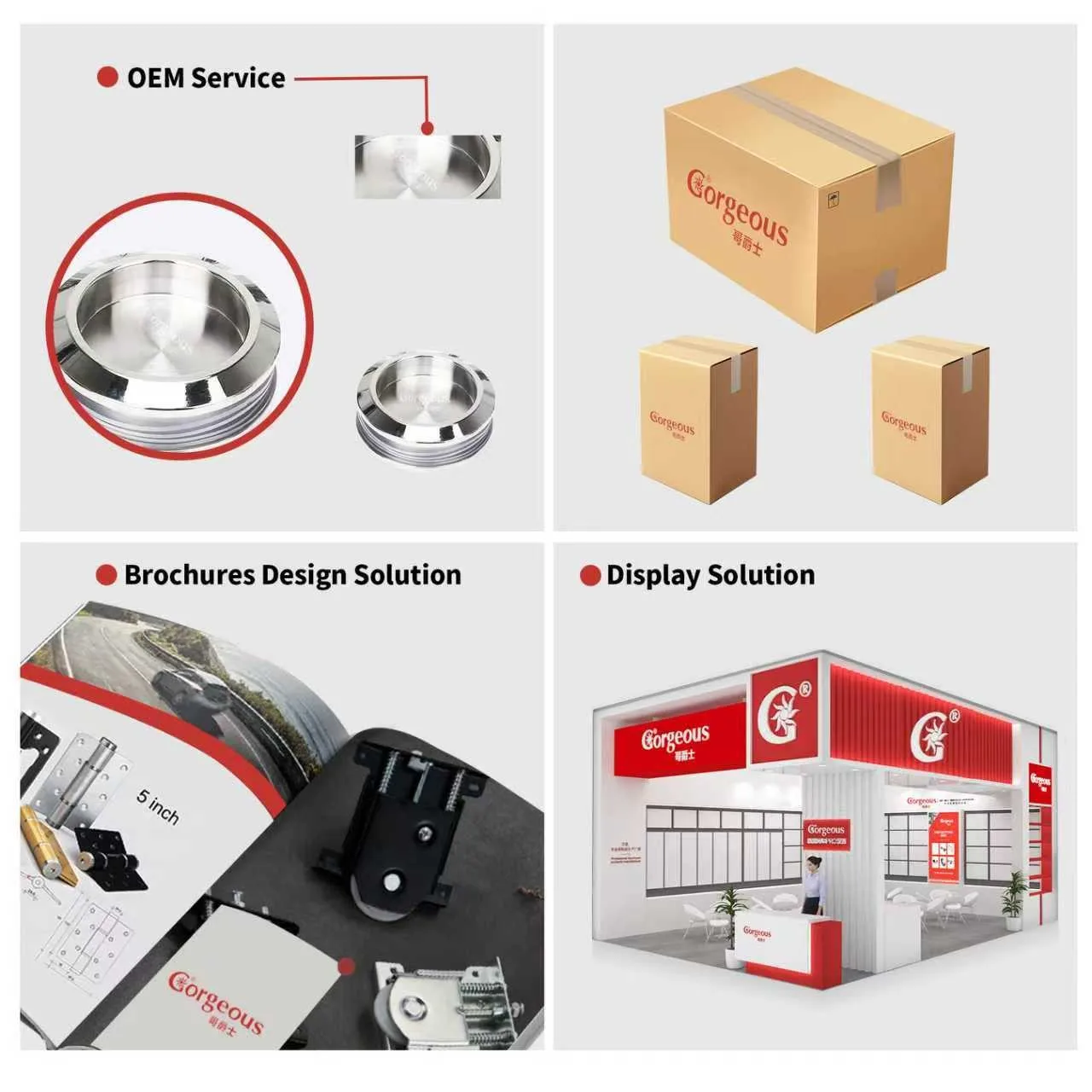
This hinge is produced for Guangzhou Gorgeous Intelligent Technology Co., Ltd., a furniture and architectural hardware supplier whose range covers hinges, drawer slides, handles, stays, legs, castors, locks and the fitting sets that go with them. The company works to export orders: packing marks, carton quantities, barcodes and the documents a buyer needs at their own customs are agreed before production rather than negotiated after it, and the hinge specification on the proforma is the specification that is made.


Common Hinge Faults And What They Actually Mean
A door that drops over time is nearly always a fixing problem rather than a hinge problem. The hinge is the strongest part of the joint; the material the hinge screws into is not. On chipboard and MDF doors the screw holding power depends on the pilot hole and the screw gauge, and a hinge that was re-screwed several times during fitting loses grip. A self detaching hinge avoids exactly this, because the door comes off at the hinge instead of the screws being withdrawn.
A soft close hinge that stops damping has almost always been worked beyond its duty, either by a door heavier than the hinge was specified for or by a door that was pulled closed by hand against the damper. The damper in a hinge arm is a hydraulic restriction, not a brake, and repeated manual overrunning is what empties it. A hinge that corrodes at the plate contact in a damp cupboard is a duty specification issue, and it is the reason this hinge is not offered for wet areas.
A hinge that will not clip onto its plate is usually a plate that has been fitted twisted, so the hinge bed meets the plate edge instead of the plate face. Slacken the plate screws, seat the plate flat, and the hinge should clip on with firm hand pressure and no bending of the arm.
Questions Buyers Ask About This Hinge

- Is this hinge the same as a plain aircraft base hinge?
- The base is the same shape and the boring is the same. The difference is the hook tab at the end of each wing, which is what lets the hinge self detach on this model.
- Can the door be removed without tools?
- Yes. Lift the door to take its weight off the hinge, then pull the hinge off the plate. Refit is the same movement in reverse, and the plate does not move on the carcass.
- Do the hook tabs weaken the plate?
- The tabs are formed from the same plate blank and sit beyond the fixing area, so they do not interrupt the screw line. What they add is resistance to the hinge being pulled straight off the plate.
- Is the soft close damper replaceable?
- The damper is built into the hinge arm, so a hinge that has lost damping is replaced as a hinge rather than serviced. On a large project, spares are shipped with the original order for this reason.
- Are screws included?
- Not as standard. Screw gauge and length depend on the door and carcass panel, and we would rather the buyer specify the screw for the board than accept ours and find the holding power short.
- Can you supply this hinge with a different cup angle?
- The cup boring is shared across the aircraft-base family, so overlay variants of the same hinge can usually be arranged. Send the door drawing and the required overlay figure and we will confirm what the hinge can be made to do.
Sign-Off Checklist Before You Order This Hinge
- Door mass and door height confirmed against the hinge count, with a hinge added at mid height on tall doors.
- Door material and panel thickness confirmed against the screw holding requirement of the aircraft base.
- Cup boring diameter and depth confirmed against the drawing for this hinge, not against a previous hinge.
- Overlay requirement confirmed, so the correct plate variant of the aircraft-base family is ordered.
- Hook plate release confirmed as acceptable for the end user, since this model releases by lift and pull.
- Screw specification agreed separately, since fixings are not supplied as standard with this hinge.
- Environment confirmed as dry or moderately humid; wet and hosed areas are outside the duty of this hinge.
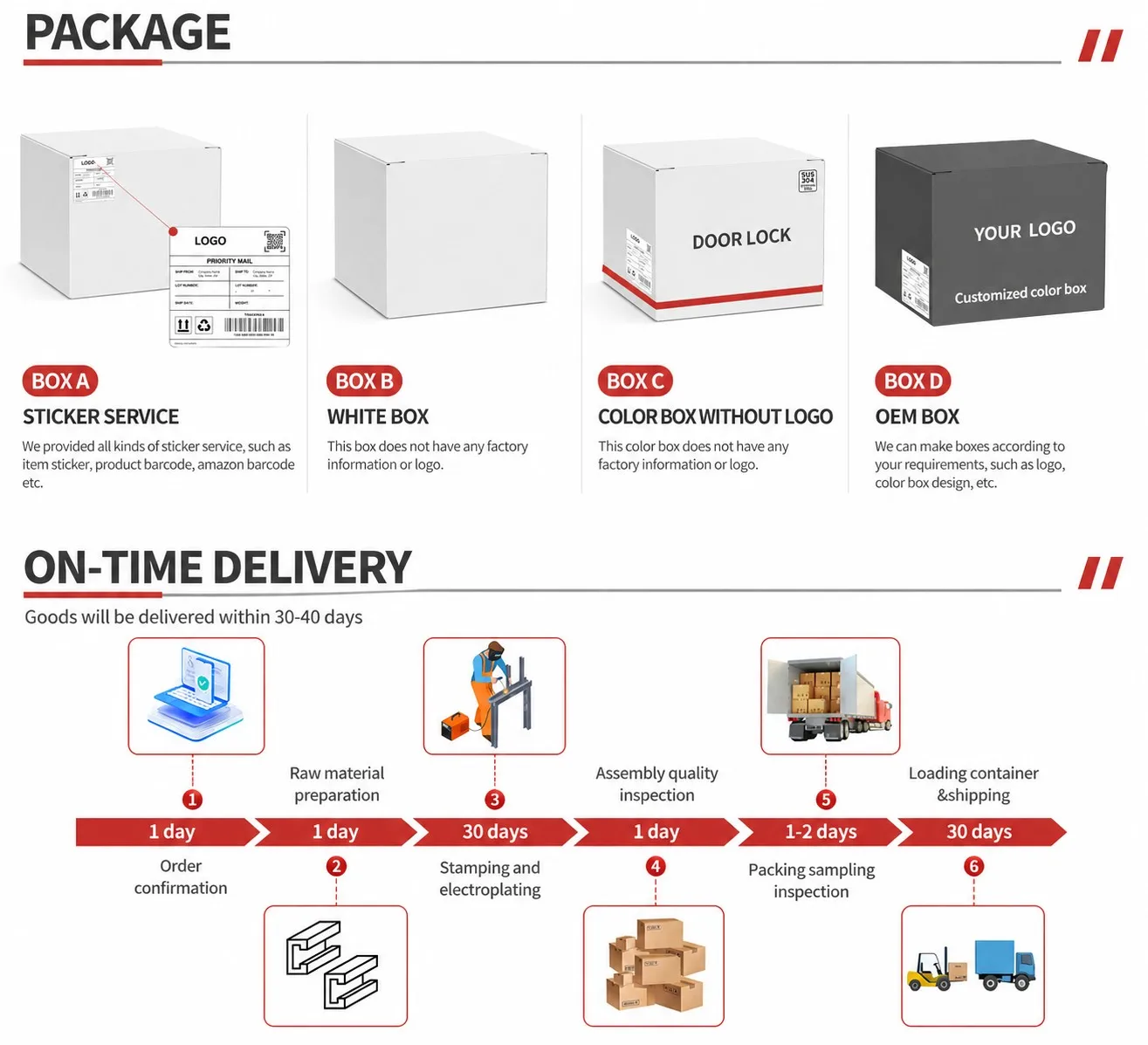
- Packing, carton quantity and marking confirmed against the order before the hinge batch starts.
Ordering
Send the model number F850FHa with the quantity, the destination port and the carton marking you need. Sample quantities of this hinge are available before a production order so that the hinge can be bored, clipped and swung in your own panels, which is the fastest way for both sides to agree that the hinge is right for the job. Drawings, the reference mass sheet and what we hold on test for this hinge model are issued on request, and the six-month delivery and payment terms on the proforma are agreed order by order rather than assumed.


Comprehensive score