


Small Corner Bracket with Plastic Cover Cabinet K4201
The K4201 Small Corner Bracket In Twenty-One Photographed Positions

Twenty-one frames were shot for this small corner bracket, and the first one shows the range in a single view: six brackets standing upright in amber, black, dark brown, beige, white and grey, each with a rectangular window in the face of its plastic cover. What sits behind the window is the reason this bracket is worth a second look. It is not an all plastic bracket with a decorative panel; it is a zinc plated steel angle wrapped in a plastic cover, and the steel is what the screws pull against.
The bracket is small on purpose. It is made to sit inside the corner of a cabinet, a drawer box or a shelf frame where a full size bracket would foul the panel edge, and at that size the fixing has to be arranged differently from a big bracket. A steel angle carries the load in a thin section; a plastic cover over it gives the finished face and hides the two slotted holes. Neither part alone does the job, which is why the two are supplied as one bracket rather than as two fittings.
The frames were shot at 750 pixels in two folders, and the two folders are the same twenty-one shots at two crops: the main set is square at 750 and the detail set is 750 by 800. Every frame in one has a partner in the other within a tight-bbox distance of under nine, so the set holds twenty-one views rather than forty-two, and the gallery was chosen from the square set. The video in the folder was not used at all.
Steel Inside, Plastic Outside
| Part | What it does | Where it shows on the frames |
| Zinc plated steel angle | the structural part; one slotted hole in each leg takes the screw | the drawing frame, shown beside the cover |
| Plastic L cover | wraps the steel, gives the finished face and hides the slots | every frame; the coloured block |
| Window in each face | lets the steel show through and lets a driver reach the slot | the rectangular openings in the cover |
| Colours | the cover is moulded to match the carcass, including a clear version | six colours across the frames |
The steel angle of the bracket is the part that does the work. One slotted hole sits in each leg, and a slot rather than a round hole is deliberate: it lets the bracket be shifted a millimetre or two while the joint is being set, which is what a cabinet corner usually needs because the two pilot holes are rarely drilled perfectly square to each other. The zinc plating is what keeps the steel from rusting in a damp carcass, and it is also why the slot reads as a bright line through the window.
The plastic cover of the bracket is the part that finishes it. It clicks over the steel, it follows the outside of the angle exactly, and its two faces each carry a rectangular window. Those windows are not decoration: they are how the steel shows through, and they are how a driver reaches the slot without taking the cover off. A cover with no window would have to be removed for every adjustment, and a cover that has to come off is a cover that gets lost.
The clear version is worth a note because it is the one buyers ask about. A transparent cover over a zinc plated angle reads as a metal bracket with a glassy finish, which suits glass fronted cabinets and display shelving where a solid colour would be too heavy. The opaque colours do the opposite job: in white, beige or brown the bracket disappears into the carcass, and in black it reads as a shadow. The same bracket in the wrong colour is the difference between a joint that looks built in and one that looks added on.
The Sizes The Drawing Frame Marks

The frame with the drawing is the one to read a fit from, and it is unusually clear for this range. The plastic cover is marked 28.5 millimetres tall and 17.5 millimetres wide; the steel angle inside it is marked 25.5 millimetres on each leg and 13 millimetres across. The cover is therefore slightly larger than the steel on every face, which is what makes it a cover rather than a sleeve, and the difference is the wall thickness of the moulding.
| What the drawing marks | Figure |
| Plastic cover height | 28.5 mm |
| Plastic cover width | 17.5 mm |
| Steel angle, each leg | 25.5 mm |
| Steel angle, width across | 13 mm |
| Fixing | one slotted hole in each leg, size not marked on the frame |
| Material | zinc plated steel inside, moulded plastic cover outside |
Two figures matter more than the others when a bracket is being chosen. The 25.5 millimetre leg is how far the bracket reaches along each panel, and it sets the smallest panel face the bracket will sit on without overhanging. The 13 millimetre width is how much of the corner the bracket covers, and it decides whether the cover will sit flat between two shelves that are already in place. Where a bracket has to go into a corner that is already assembled, those two numbers are the fit; the height only matters for clearance.
The Names This Bracket Sells Under
A bracket of this size is bought under several names and three of them are used on this page. It is a mini corner bracket when the size is the point, because at twenty-five millimetres on the leg the bracket is small enough to sit inside a drawer box or a thin shelf frame where a full size corner bracket will not go. It is a corner bracket with plastic cover when the cover is what the buyer is asking for, which on a visible carcass it usually is, since the cover is what hides the two slots. And it is a cabinet corner brace when the cabinet is the scene, because that is where nearly all of them end up.
The three descriptions all point at the same frame and the same bracket, and a buyer sent one name will recognise the part from the picture. What is worth checking before an order is that the mini corner bracket quoted is the one with steel inside: an all plastic bracket of the same size looks close in a photograph, costs less and behaves differently, because a plastic bracket has no steel for the screw to pull against. The window in the cover is the quickest way to tell the two apart, and it is visible on every frame on this page.
The bracket is quoted as a bracket rather than as a moulding, which means the cover colour, the steel angle, the slot and the packing are all agreed as one item. That is also the order in which a bracket should be checked on arrival, and the order in which a bracket that has been fitted can be faulted if a corner comes loose.
Where A Small Corner Bracket Is Used
A bracket this size belongs where a full size corner bracket will not go. The commonest place for this bracket is a drawer box, where the sides are thin and the corner is tight, and where four of these hold the box square. The second place for the bracket is a shelf frame or a bookcase where the shelf is thin and a larger bracket would stand proud of the shelf edge. The third is the inside corner of a cabinet carcass at the back, where the bracket reinforces a joint that is otherwise only glued or dowelled.
The bracket is also used outside furniture: a display frame, a storage box, a shop fitting panel, and the corner of a light plywood or MDF carcass that has to be stiffened after the fact. In those places the cover earns its keep twice, because the bracket is seen from the outside and a bare steel angle with two slots in it is not what a display wants to show. The window keeps the steel visible without leaving the fixing exposed.
The limits are worth stating plainly. This is a light duty bracket: it stiffens a corner and it holds a box square, and it is not a structural corner for a loaded shelf. It is a bracket rather than a hinge, even where the shape suggests a pivot. And it is small enough that a joint carrying weight wants two of them rather than one, which is also how the packs are counted.
Telling It From A Plain Plastic Bracket

Most brackets of this size on the market are plastic through their whole section. This one is not, and the difference is the reason to buy it. A plain plastic bracket is a moulding with holes in it; the screw bears on plastic, the plastic creeps under load, and the corner loosens over a season. This bracket puts a steel angle inside the plastic, so the screw bears on steel and the plastic only covers it. The outside looks similar; the joint behaves differently.
The second difference in this bracket is the slot. A plain plastic bracket has round holes, which means the two panels have to be drilled to match it exactly. This bracket has a slotted hole in each leg, so it absorbs the small error that hand drilling produces and still lets the corner close. On a repair job, where the original holes are already there and cannot be moved, that slotted hole is often the whole reason the bracket works.
In the hand the two brackets are easy to tell apart. A plain plastic bracket is light and has the same material on both faces; this bracket has a window with metal behind it, a weight that is more than the size suggests, and a cover that can be eased off to show the angle inside. If a buyer is holding a small corner bracket with a bright slotted line in each face, it is this one.
Questions A Buyer Asks About This Bracket
These are the questions that come back most often on a small corner bracket with a cover, and each answer points at a frame or a part.
- What size is the bracket? The cover is 28.5 mm tall and 17.5 mm wide; the steel angle is 25.5 mm on each leg and 13 mm across.
- Is it plastic or metal? Both: a zinc plated steel angle inside a moulded plastic cover.
- What are the windows for? They let the steel show and let a driver reach the slotted hole without removing the cover.
- How many screws does it take? One in each leg, through the slotted holes.
- Are the holes slotted? Yes, in both legs, so the bracket can be shifted while the joint is set.
- What colours are there? Amber, black, dark brown, beige, white, grey and a clear version across the frames.
- Why a clear version? A clear cover suits glass fronted cabinets and display shelving where a solid colour reads too heavy.
- Will it hold a loaded shelf? No, it is a light duty bracket for stiffening a corner, not a structural support.
- Can it be used as a repair part? Yes, and the slotted holes are what make it work on existing holes.
- What is the load rating? Not stated in this batch; the bracket is a reinforcing part rather than a rated one.
Checks Before A Bracket Goes Into A Corner
A bracket this small is easy to fit badly, and a bracket fitted badly, so the checks are the ones that decide whether the corner stays tight.
- Corner checked for square before the bracket goes in, because a bracket holds an angle rather than pulling one square.
- Both legs offered up dry, so the slotted holes are seen to line up with the pilot holes before anything is driven.
- Screw length checked against the panel, so the screw does not break through the outside face.
- Screws driven until the head bears on the steel, not until the cover distorts around the window.
- Cover eased off and refitted on the bench, so a stiff clip is found before it is in a cabinet.
- Clear covers checked for cracks at the clip, since a clear moulding shows a stress mark that an opaque one hides.
- Colour checked against the carcass in daylight, because beige and white read alike under a workshop lamp.
- Joint re-checked after a week, because a bracket with only two screws shows a loose corner quickly.
Who Supplies This Bracket
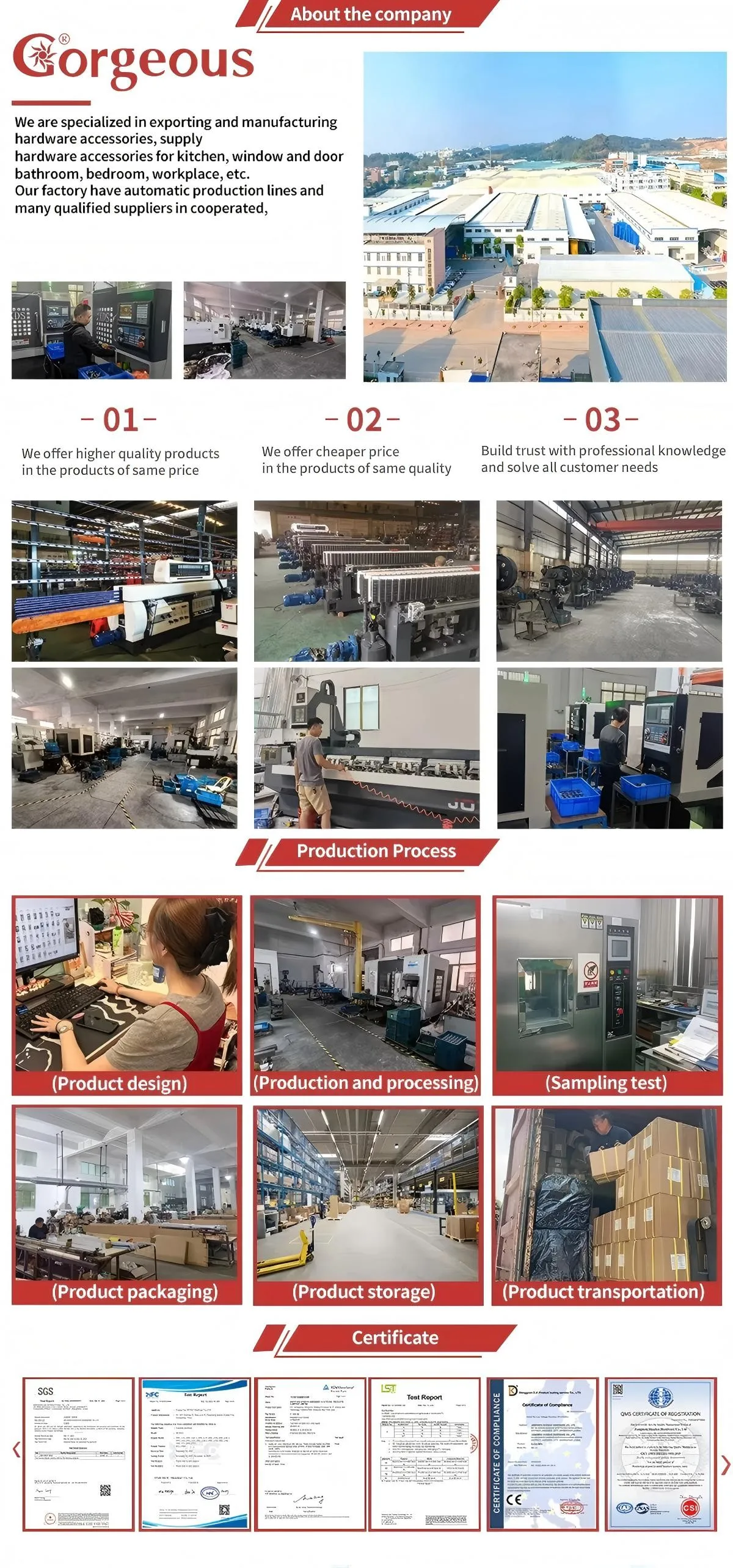
This small corner bracket is supplied by Guangzhou Gorgeous Intelligent Technology Co., Ltd., a furniture and architectural hardware business whose range covers hinges, drawer slides, handles, stays, legs, castors, locks, corner brackets, connecting plates and the fittings that hold panel furniture together. The company works to export orders: quantity, colour, cover version, steel thickness, packing, carton marking and shipping documents are agreed before production rather than after it, and the specification written on the order is the specification the tooling works from. The cover colour, the steel angle and the slot are all part of that specification, and they are agreed together because a cover that does not match its angle is a bracket that comes back.



Ordering
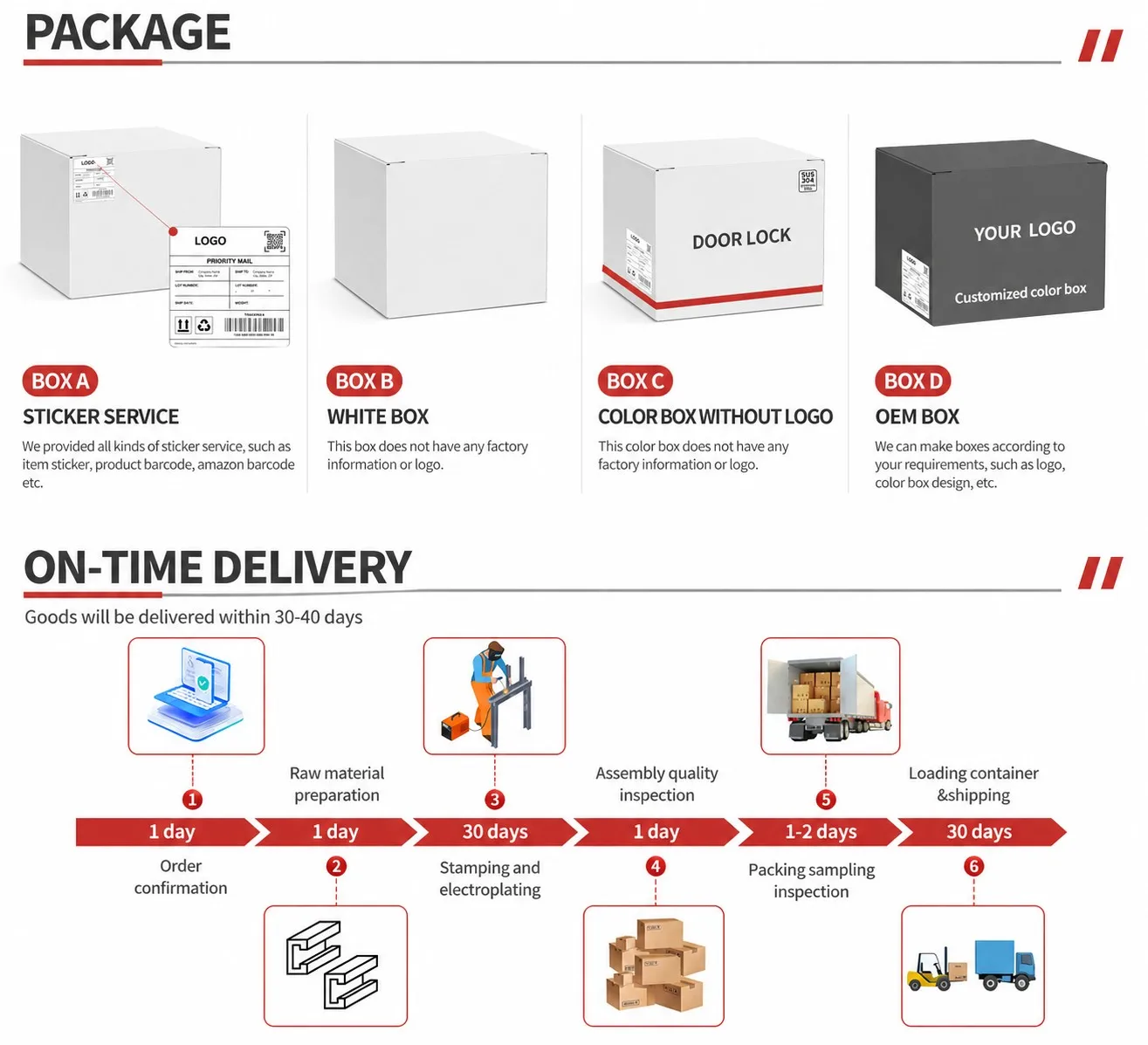
Send the model number K4201 with the number of pieces, the colour or colours, the screw specification and the destination port, and confirm the cover size and the steel angle against the drawing at the same time. Samples are available before a production order so a bracket can be screwed into a real cabinet corner and the cover eased off and refitted, which is the fastest way for both sides to agree that the slots line up, that the cover clips down flat and that the corner goes square. The drawing, the packing list and whatever test documentation we hold for K4201 are issued on request, and delivery and payment terms are agreed order by order on the proforma rather than assumed from a previous order.


Comprehensive score