


Stainless Hydraulic Cup Hinge Iron Tail Soft Close F829H
F829H Stainless Cup Hinge With Iron Tail, Hydraulic Soft Close
Stainless hinge body · steel tail and plate · hydraulic soft close · for kitchens, bathrooms and damp furniture
Product Overview

TheF829H hinge is the mixed material member of this hydraulic hinge family. The hinge body, the part that carries the door and does the work, is made in stainless. The tail and mounting plate, the part that bolts to the carcase wall, is made in plated steel. Buyers choose this combination for one reason: they want the corrosion behaviour of stainless where the hinge sits in the door and where moisture collects, while the fixing side is a conventional steel plate that takes screws predictably and costs less than a full stainless assembly.
Closing is hydraulic. A damper works inside the arm and takes over only near the end of the swing, so the door turns freely and then arrives under control instead of dropping shut under its own weight. The damped element is visible on this hinge, so a buyer can confirm the soft close version on the bench without taking anything apart.
This page describes the hinge as supplied: assembled, damped and ready for boring. The steel grade designation for the hinge body, the finish on the tail, the boring template and the test results are issued on the drawing and test sheet that accompany your quotation, because those details are version specific and we would rather send you the paper than a paragraph of numbers that may not match what you order.
Why The Hinge And The Plate Are Different Materials
A cabinet hinge does two different jobs in two different environments, and this design separates them. Inside the door the hinge sits in a bored cup where condensation collects, where the door is wiped, and where a corroding hinge eventually stains the board and seizes in the cup. That is where stainless earns its price. On the carcase side the tail and plate are exposed to the same air but carry their load through screws into a panel that is normally painted or laminated, and a plated steel plate performs adequately there while keeping the assembly cost down.
There is a second practical reason buyers like this arrangement. A steel plate is easier to drive screws into without distortion than a thin stainless one, and on a production line where plates are fixed by power drivers, plate distortion is a real cause of misaligned doors. The mixed hinge gives you the corrosion behaviour where it counts and the more forgiving fixing side where screws are driven fast.

Mixed Materials: What To Get Right
Combining stainless with plated steel is standard practice in furniture hardware, but three things have to be handled deliberately.
Keep the plating intact on the steel side. The steel tail is protected by its finish, not by the alloy. If the finish is scratched through during fitting, that bare spot is where surface rust will start. Tell your fitters not to drag the plate across abrasive surfaces and not to grind or file the tail on site.
Use screws that suit both parts. A screw that is correct for the steel plate may be the wrong choice where it passes into or near the stainless body. Ask us for the screw specification matched to this hinge rather than picking from general stock, particularly if the furniture ships to a coastal or high humidity market.
Do not assume the whole hinge is stainless. This is the most common mistake in specifying it. If your project requires a fully stainless hinge for wash down, marine or food processing use, say so on the enquiry and we will quote the full stainless member of the range instead of this one.
How The Hydraulic Close Behaves
The damper is not a brake across the whole swing. Through most of the arc the hinge turns at normal effort. Near the closing end the damped section engages and the last portion of travel is metered, so the door slows and eases home. Two consequences matter at design stage. The first is opening effort: a damped hinge must be pulled against the damper to start the swing, and that effort grows with the number of hinges on a door. The second is temperature: hydraulic fluid thickens in the cold, so a door that closes briskly in a warm workshop may close slowly in a cold showroom or a winter warehouse. Test at the low end of the service range if the furniture is going somewhere cold.
Key Features
- Stainless hinge body. The working part of the hinge, sitting in the door cup, is stainless rather than plated steel.
- Plated steel tail and plate. A forgiving fixing side for screw driving, at a lower cost than a full stainless hinge.
- Visible damper. The soft close element can be seen on the hinge, so the version is identifiable without disassembly.
- Soft close action. Only the closing end of the arc is metered; the door swings freely and eases home.
- Concealed mounting. With the door closed only the cup shows in the door edge.
- Adjustment at the plate. Alignment is made at the fixing holes, the only place a hinge should be moved.
- Supplied assembled. Hinge, arm and tail arrive as one unit.
Technical Reference
| Item | As supplied | Note |
|---|---|---|
| Model | F829H | Mixed material member of the family |
| Hinge body | Stainless steel | Grade designation issued with the quotation |
| Tail and plate | Steel, plated finish | Protect the finish during fitting |
| Closing action | Hydraulic soft close | Metered over the closing end of the arc |
| Fixing | Screw fixed plate | Door removal = undo screws |
| Door material | Particle board, MDF, ply, solid timber | Confirm board thickness on enquiry |
| Typical use | Kitchen, bathroom, laundry, retail, contract | Wash down or marine duty needs the full stainless version |
| Overlay, cup size, arm crank, load, cycle life, packing | By version | Issued as drawing and test sheet with the quotation |
Fitting This Hinge

Set the boring first. The boring position comes from the drawing for the version ordered: cup diameter, cup depth and the distance from the door edge. Check the first article door against the drawing before the run starts. A hinge bored in the wrong position cannot be corrected later without changing the door.
Fasten the tail. The steel tail is the fixing side, and it is the part you are actually driving screws into. Seat it square to the carcase wall and drive to the torque your board needs; over driving distorts the plate and a distorted plate is what makes a door look wrong after assembly.
Attach and check. Fix the hinge in the door at the intended setting, hang the door, then cycle it. The door should swing freely, slow near the end and ease home without banging and without stopping short.
Protect the finish. With a mixed material hinge the steel side depends on its plating. Wipe rather than grind, do not file the tail on site, and do not leave steel swarf sitting on the plate during assembly, because that swarf will rust and stain the finish that is protecting the steel.
Adjusting After Fitting
Alignment is made where the hinge meets the plate, at the fixing holes. Slack at those holes lets the door be moved in and out and side to side before final tightening. That is the intended correction route and it is the only one we recommend. Packing behind the hinge body to force a door into line changes the geometry the hinge was designed around and the door will drift back. Bending an arm to correct an overlay error fatigues the hinge and can disturb the damper. If the door cannot be brought into line at the fixing holes, the boring or the plate position is wrong, and that is what should be corrected.
Choosing Within This Hinge Family
Three questions sort this range out quickly. If the door has to come off without tools, take the detachable member rather than this one. If the whole hinge must be stainless for wash down, marine or food contact duty, take the full stainless member rather than this mixed version. If the environment is a normal interior kitchen or bathroom and the budget has to work, this hinge is the version that gives you stainless behaviour in the door at a mixed material price. Tell us the environment and the door and we will point at the code we would fit ourselves.
Hinge Count Per Door
Hinge count is set by door height and door weight together, and it is the item most often under ordered. Heavier and taller doors need more hinges to hold them without sag, and every hinge added to a damped door increases the pull needed to open it. Send us the door height, board thickness, material and finished mass and we will state the count we would fit. That recommendation is part of the quotation and it costs nothing to ask for.
What To Check On A Hinge Sample
Run five checks on one sample hinge. Confirm the damper is present and undamaged by cycling the arm by hand. Screw the hinge into scrap board and hang a weight, then watch whether the door eases home or stops short. Open it and note the pull needed to break damping. Look at the boundary between the stainless body and the plated tail; the finish there should be continuous with no bare edges. Finally undo the screws and inspect the plate: the fixing holes should be clean and undistorted with no burrs lifting a screw head. Those five checks take a couple of minutes and they tell you more about a production batch than a specification sheet will.
Our Factory And How We Supply
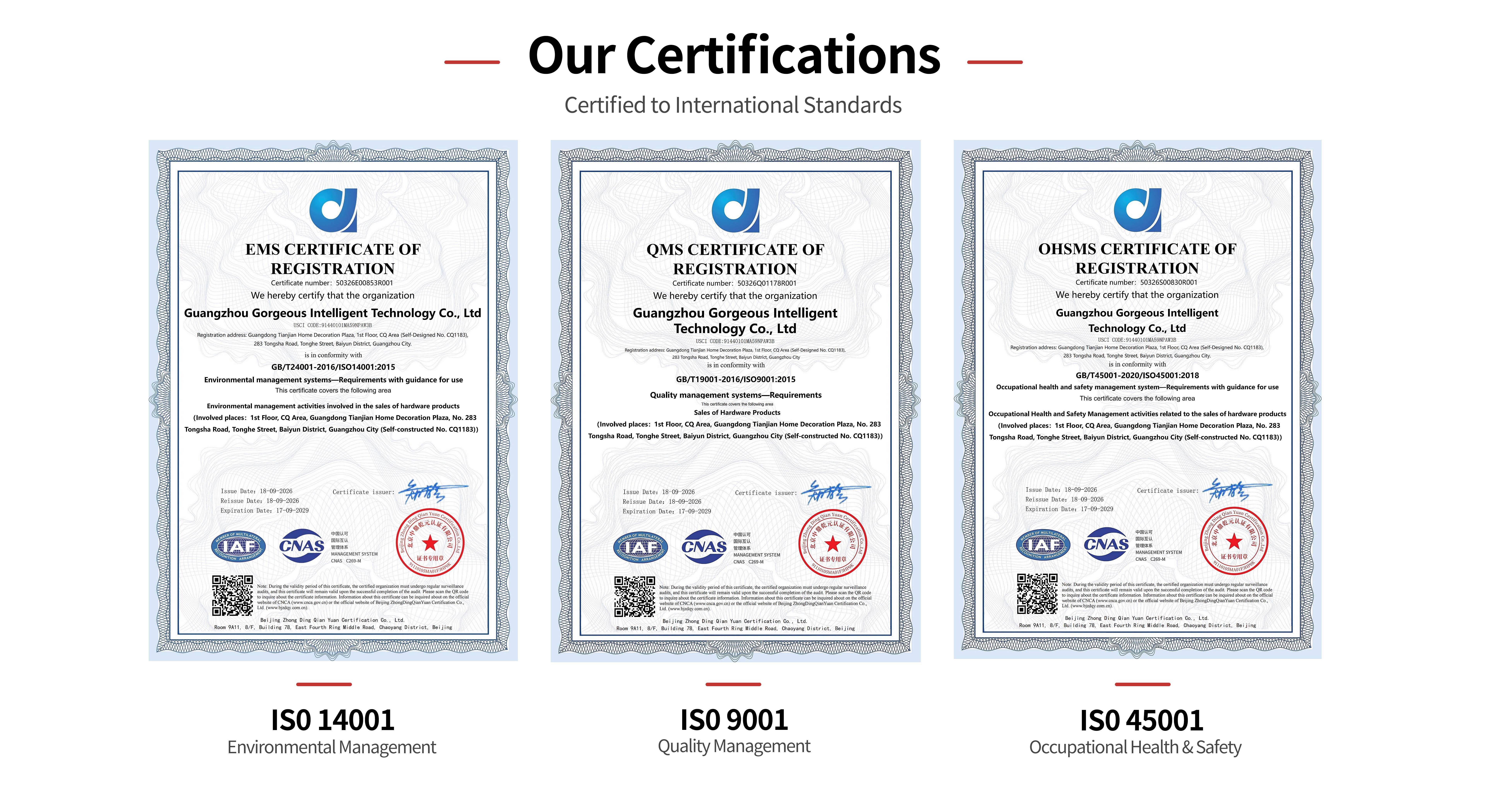
We manufacture furniture and architectural hardware including cabinet hinges, and we supply wholesale buyers rather than retail shoppers. Drawings are issued on request against your version, the boring data is confirmed with you before production, and packing is built around your container rather than around a shelf pack.
Batch inspection covers damper function, plating continuity on the mixed material boundary, fixing hole condition and arm appearance, carried out on hinges taken from finished production rather than from a reference sample.
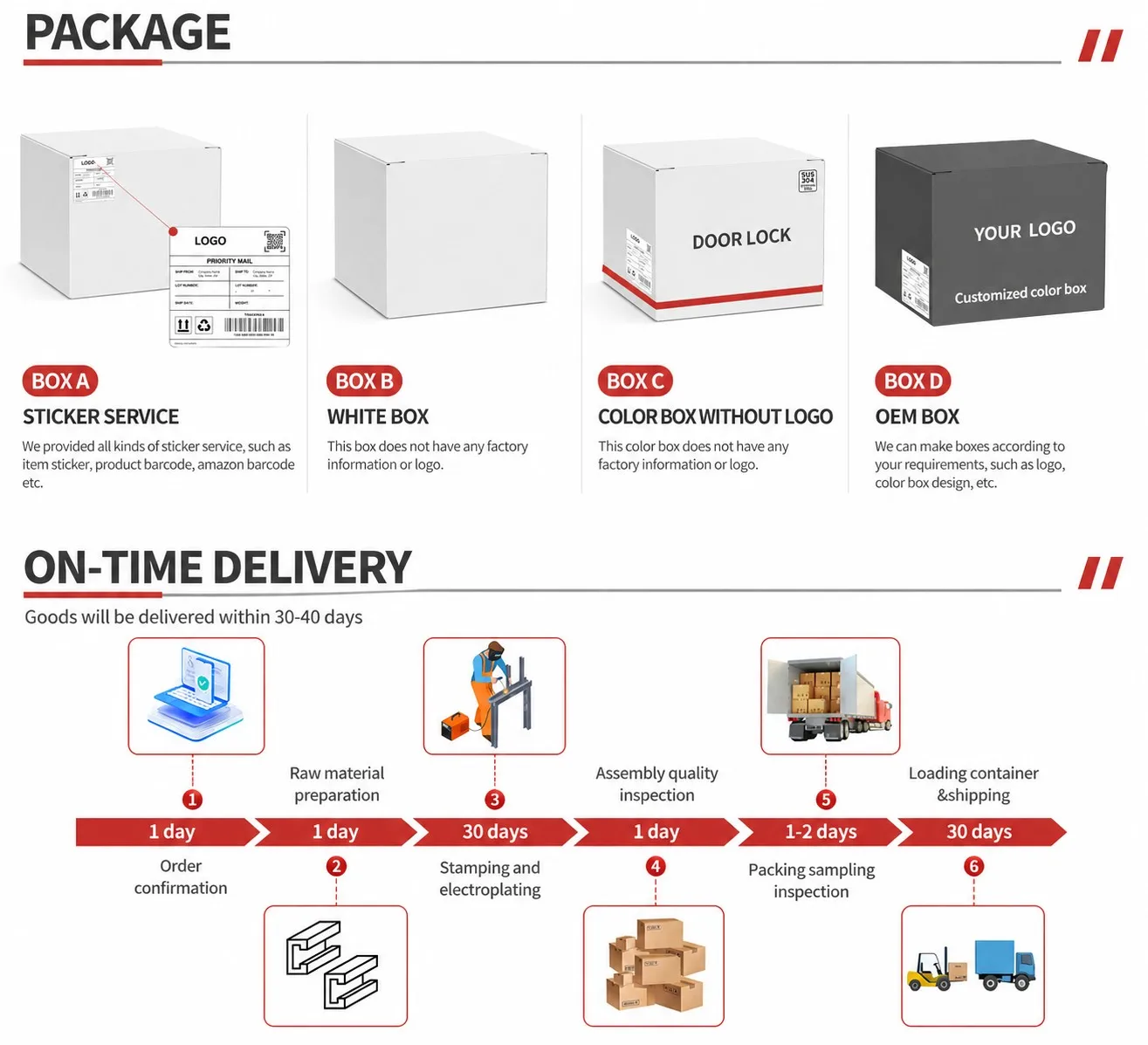
Packing follows your requirement, bulk packed for a factory feeding hinges straight into door assembly or boxed for a distributor who has to shelf the item. State it on the enquiry and it becomes a line on the invoice rather than an assumption.
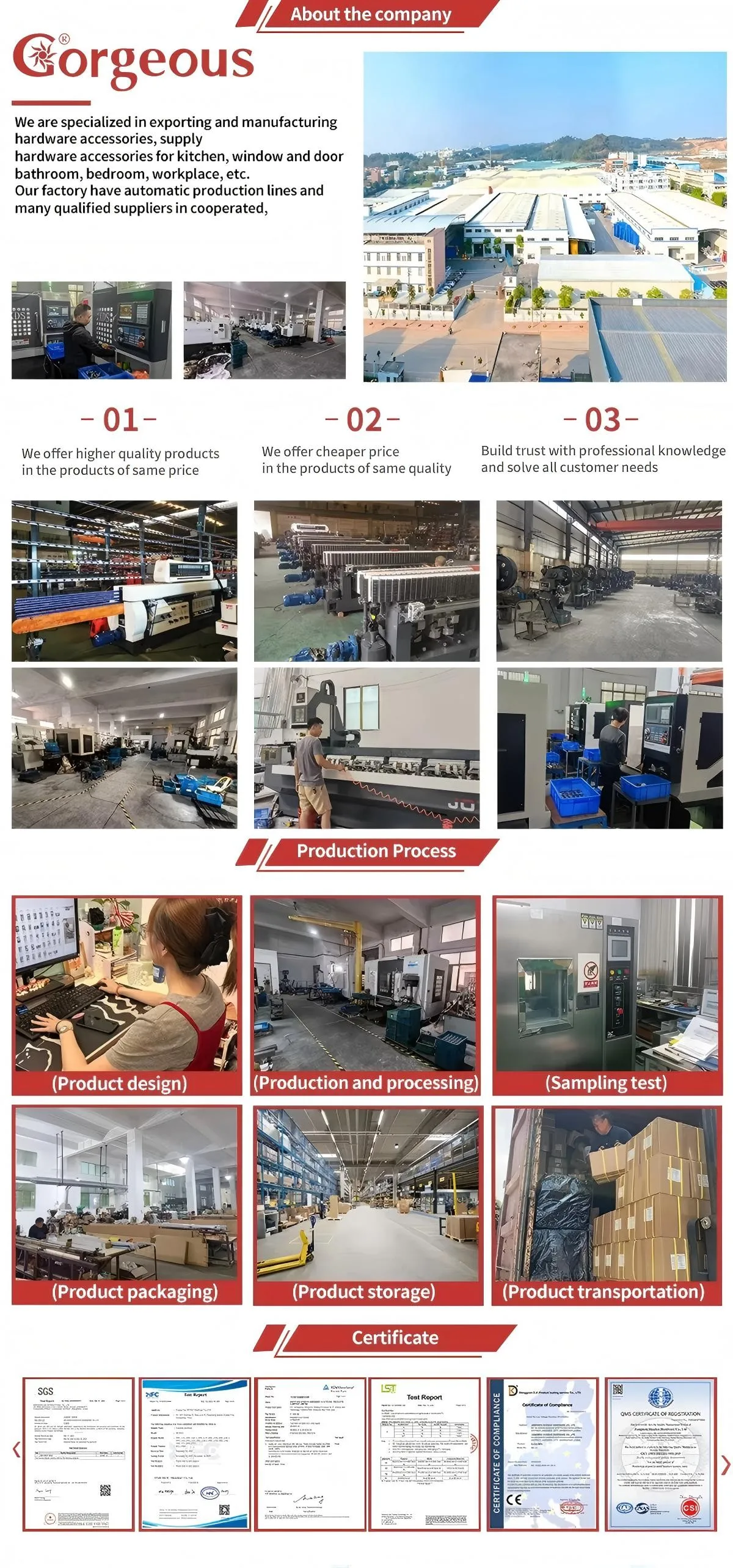
Where a buyer needs cycle, load or corrosion data for a specific version, we test that version and send the report against it. We do not attach a certificate to a hinge it was never issued for.
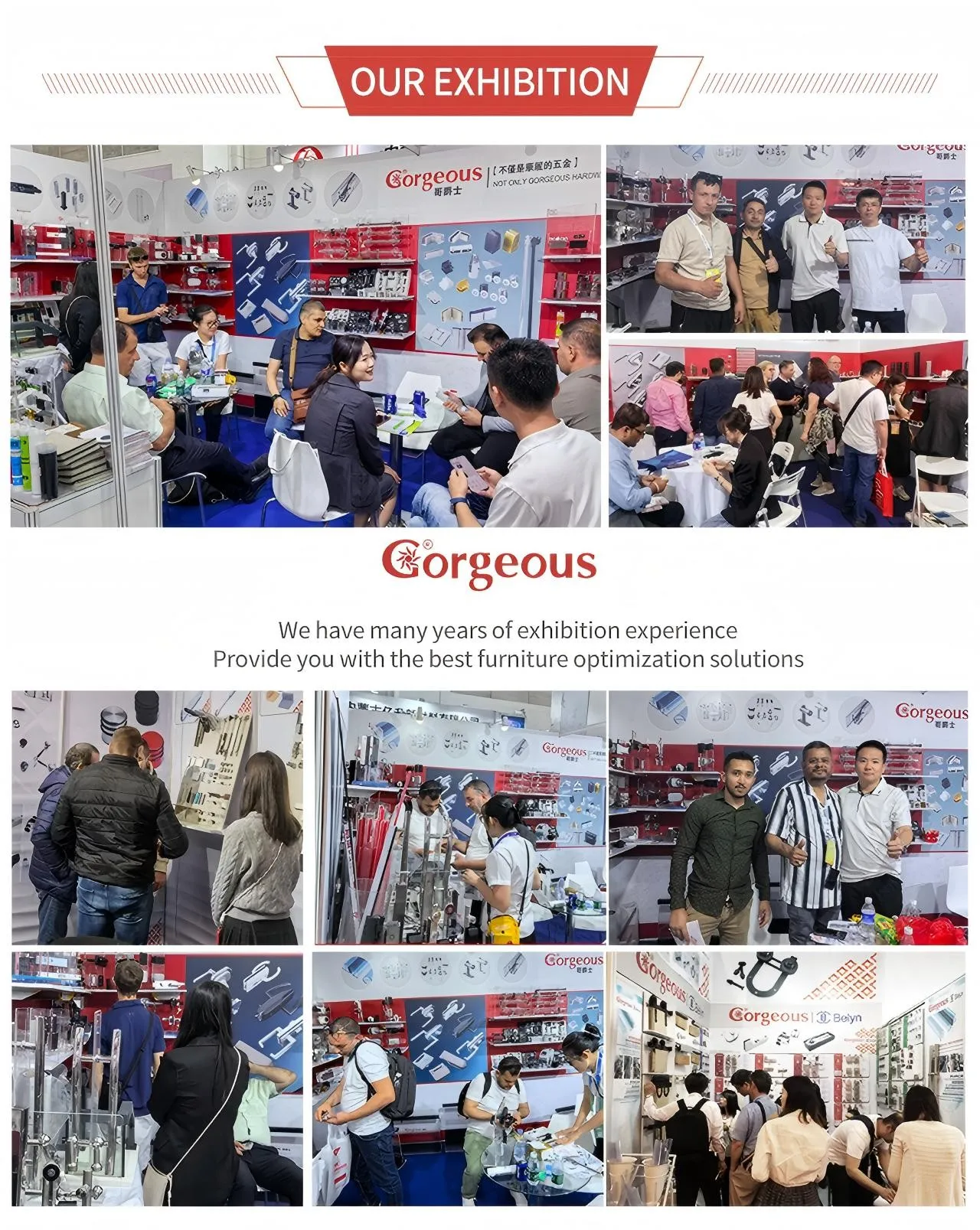
Export orders ship from China against your freight arrangement or ours, and mixed loads across hinge codes are normal. Buyers standardising on two or three codes across a range usually land a better cost than buyers ordering one hinge at a time.
Common Faults And What Causes Them
- Surface rust on the tail. Plating scratched through during fitting, or steel swarf left on the plate. Protect the finish and clean after assembly.
- Rust where you did not expect it. This hinge is mixed material, not full stainless. For wash down duty order the full stainless version.
- Door stops short. Too much damping for the door, or the plate pulling the door out of overlay.
- Door sags. Too few hinges for the door mass, or screws in weak board.
- Screw heads sit proud. Burr in the plate hole or a mismatched screw head; both are specification faults worth reporting.
Frequently Asked Questions
Is this hinge fully stainless? No. The hinge body is stainless and the tail and plate are plated steel. If the application needs every part stainless, ask us for the full stainless version.
Will the steel tail rust in a bathroom? In normal bathroom use with an intact finish it performs as intended. In a wet room, a laundry with standing water, or a coastal installation, specify full stainless instead.
Can the door be removed without tools? No. This hinge is screw fixed.
How do I confirm the hinge I received is soft close? The damped element is visible on the arm and you can feel it when you cycle the hinge by hand.
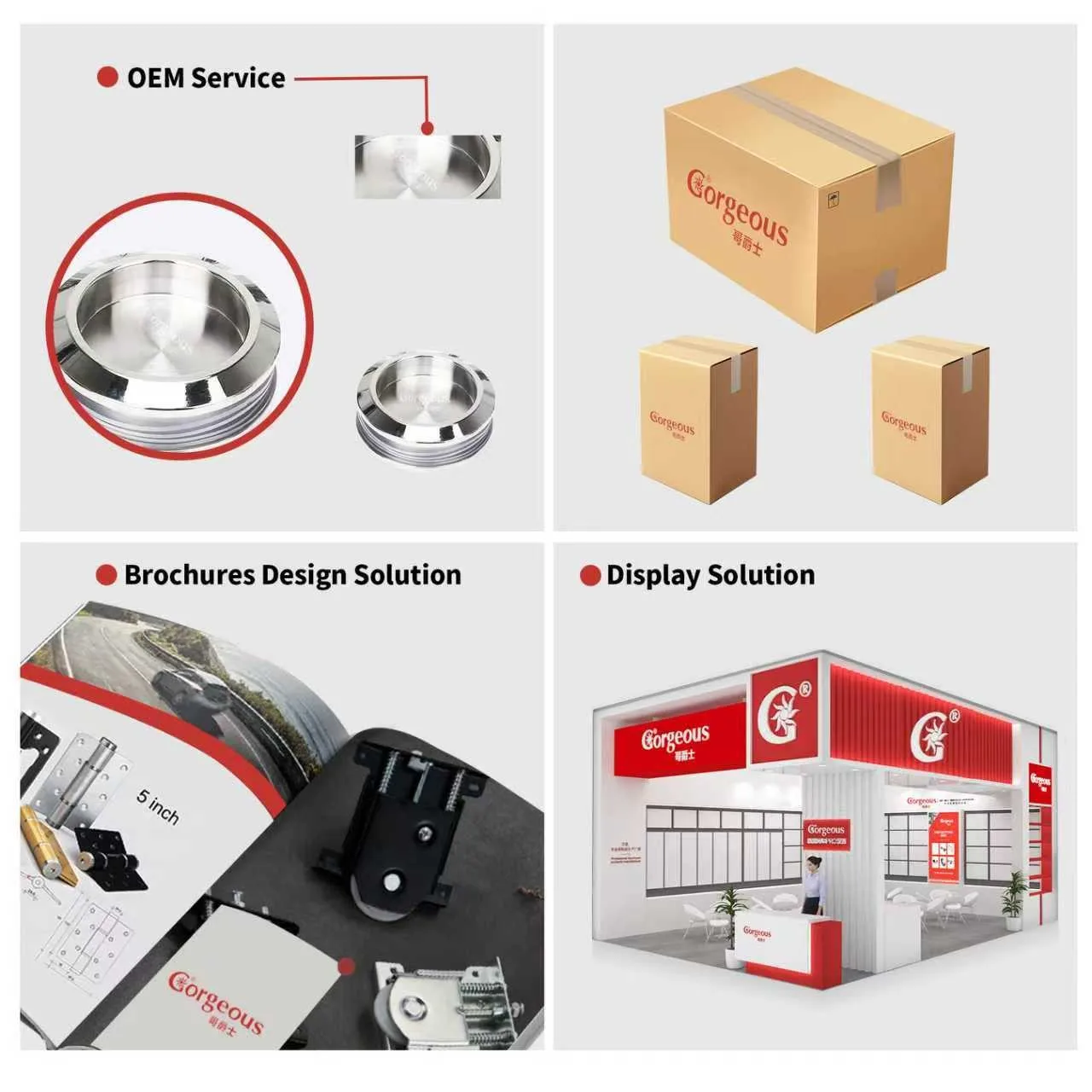
Can you mark the hinge and the packing with our brand? Yes, for wholesale quantities. Send artwork with the enquiry.
Hinge Sign Off Checklist Before A Hinge Is Locked Into A Range
Treat the hinge as a specification item, not as a catalog accessory. Before a hinge code is fixed into a furniture range, walk this hinge checklist with the hinge supplier rather than after the fact with the returns department.
Hinge body material against the room. Confirm that a stainless hinge body with a plated steel tail is the correct hinge for the room the furniture will live in. If the hinge will be washed down or sit in salt air, this hinge is the wrong hinge and the full stainless hinge should be quoted instead.
Hinge overlay against the door and carcase. Confirm the hinge gives the overlay your door drawing assumes. A hinge ordered on the wrong arm crank is a hinge that cannot be fixed by the fitter.
Hinge cup against the boring tool. Confirm the hinge cup diameter and depth against the hinge boring tool in use, then confirm the tool setting on a first article door before the hinge goes into production.
Hinge count against the door. Confirm the hinge count per door with us using your door height and mass. A hinge count that is too low shows up as a sagging hinge line within months, and a hinge count that is too high on a damped hinge makes the door hard to open.
Hinge damper against the door weight. Cycle a hinge mounted on a door of real mass, not on a hand-held hinge. A hinge that feels correct as a loose hinge can stop short as an installed hinge.
Hinge screw against the hinge. Confirm the screw the hinge will be built with. The wrong screw is a common reason a hinge plate distorts and a hinge then looks misaligned.
Hinge packing against the line. Confirm how the hinge arrives: bulk hinge trays for an assembly line or boxed hinge packs for a shelf. The hinge should reach the fitter without the finish being damaged by the hinge bin it travels in.
A hinge that passes these seven checks is a hinge you can put your own name on. Send us the door drawings and we will mark the hinge specification against them.
Ordering And Quotation
To quote the F829H we need the version details, the board thickness and finished mass of your heaviest door, the hinge count you want per door, the packing requirement and the destination, plus a sentence on the service environment so we can confirm this mixed version is the right one rather than the full stainless one. Send that and you get a drawing, a count recommendation and a price on the same hinge.
Guangzhou Gorgeous Intelligent Technology Co., Ltd. — furniture and architectural hardware manufacturer. Cabinet hinges, handles, drawer slides, locks and fittings for wholesale and OEM buyers. Export from China.


Comprehensive score