


Curved Corner Brace 50mm 80mm Zinc Plated K4125
The K4125 Curved Corner Brace In Thirteen Frames
Look at the inside of this brace and there is no fold. Where an ordinary L bracket turns a corner over a crease, the K4125 sweeps round on a radius, so the load that arrives along one leg has somewhere to go before it reaches the other. That single difference changes the way the part behaves: there is no crease line to start a crack, no sharp inside corner for the plating to thin over, and no edge standing off a panel that is not perfectly square. The frames show it from every angle, and one of them measures it.

The part is a strip of zinc plated steel bent through a generous radius and dished into a shallow channel, with a raised rim running along both edges for the whole length. The rim is what makes the shape work: a flat strip bent on a radius would still flex across its width, and turning the two edges up removes that freedom without adding a second operation. The result is a brace that is thin in section, light in the hand, and stiff in the direction the corner actually loads it.
The Three Measured Versions
| Legs (mm) | Widths printed (mm) | Thickness (mm) | Holes per leg |
| 50 x 50 | 15 and 20 | 0.6 | 2 |
| 50 x 50 | 15 and 20 | 0.8 | 2 |
| 80 x 80 | 23 and 30 | 1.0 | 3 |
Two of the three versions share an outline and differ only in gauge, which is the detail that decides which one a buyer wants. The 50 mm brace at 0.6 mm is the light one, for drawer boxes, thin panels and anything that has to stay light; the same brace at 0.8 mm carries noticeably more corner load for a little more money and is the version most cabinet work uses. The 80 mm brace at 1.0 mm is the structural one: three screws per leg, twice the leg length, and the version that gets fitted when a corner has already started to move.

The Figures On The Frame
The measured frame shows three braces side by side. The two on the left are the 50 mm brace, each printed with 50 mm along the upright and 50 mm along the base, with 15 mm and 20 mm across the two legs, and labelled 0.6 mm and 0.8 mm for the gauge. The one on the right is the 80 mm brace, printed at 80 mm on both legs with 23 mm and 30 mm across them and labelled 1.0 mm. Those are the numbers the frames state, and they are the ones that decide whether the brace fits: leg length against the panels either side of the corner, leg width against the width of face available, and gauge against the load.
What the frame does not state is the radius of the bend, the height of the raised rim, the hole diameter or the pitch between holes. On a part like this the radius matters more than it looks, because it sets how far the brace stands away from the corner it is fitted into: a brace with a tighter radius sits deeper into a corner and needs a squarer joint, and one with a wider radius will span a joint that has already opened. Ask for the drawing with the radius and the hole centres on it before committing to a production run.
Why A Radius Holds Better Than A Crease
A folded bracket concentrates everything at the fold. The material there has been yielded twice, once in each direction, and the plating is at its thinnest exactly where the part flexes most. Under a corner that is worked back and forth the crease is where a crack starts, and a cracked fold is a bracket that has lost its angle. A bend on a radius spreads the same deformation over a much longer length of strip, so no one section is worked as hard, and the material keeps its thickness through the bend.
The radius has a second effect that matters on site. A folded bracket only fits a corner that is already square, because its inside is a sharp angle and anything less than square leaves the bracket rocking on one leg. A radiused brace has a rounded inside face, so it snugs into a corner that is a degree or two out and still pulls down flat when the screws are driven. On a repair, where the joint has moved and will never be perfectly square again, that is worth more than the extra stiffness of a crease.

Holes, Rim And Fixings
Every hole is counterbored rather than countersunk, and the difference is visible in the close-up as a flat-bottomed recess around each hole. On thin steel that recess is doing real work: it lets a pan head or a washer head sit down on a flat seat instead of driving a cone into material that has no thickness to spare, and it keeps the head from crushing the hole as the screw tightens. The 50 mm brace carries two holes per leg and the 80 mm brace three, which is the pattern that matters on a long leg, where two screws allow the end of the brace to lift and three do not.
The raised rim is the other thing to look at before driving a screw. The rim runs the full length of both edges and stands proud by roughly the plate thickness, so the brace does not sit flat on a panel: it sits on the rim and the face between the rims stands clear. That is deliberate, since it is the rim that stiffens the section, but it means the screw has to pull the brace down until the rim bites into the panel. On softwood that happens at normal torque; on a hard panel, or on a metal frame, take the corner down with a clamp first and let the screws hold it rather than pull it.
Where A Curved Brace Earns Its Place
Carcass corners, where a side meets a bottom and the joint has to stay square while the piece is moved. Drawer boxes, where the 0.6 mm brace is light enough not to add weight and the radius keeps the inside of the box clear. Chairs and frames, where the corner is loaded every time someone leans back and a folded bracket would work loose. Bed frames, where the 80 mm brace with three screws per leg is the one that holds. And repairs, which is where the radius shows its value: the brace pulls a corner that has already moved back into line instead of needing the joint rebuilt square first.
There is one more use the shape suggests. Because the band sweeps round rather than turning on a crease, it can be fitted to a corner that is not a right angle at all and still sit down on both legs, which is why the same brace turns up on angled cabinets, on plinths and on mitred frames. A folded L bracket cannot do that without being bent to fit, and a bracket bent on site is a bracket that has already started to fail.
Fitting It Down Flat
Hold the brace into the corner dry and look at the rim line. If the rim meets the panels along its whole length, the corner is close enough to square and the brace will pull down. If it touches at the ends and stands off in the middle, the corner is convex and the brace will rock; if it touches in the middle and stands off at the ends, the corner is concave and the ends will never come down. In the first case, clamp across the corner before driving anything. In the second, the joint needs to be pulled together first, because no amount of torque on a screw will close a concave corner.
Drill pilots through the counterbores, at a size just under the screw core, and drive the leg that carries the load first. Drive in a cross pattern on the 80 mm brace, one screw at each end then the middle, so the rim seats progressively instead of the brace cocking on the first screw. Then check the corner with a square: a curved brace holds a corner where it is, so a corner that was out of square when the brace went on will still be out of square when it is tight.
Three Names, One Brace
Three names bring buyers to this part, and each one describes a different thing about it. A corner brace bracket is the name on the shelf: a bracket that braces a corner, sold by the piece. A furniture corner brace is the name a buyer uses when the corner belongs to a carcass or a bed frame, and it is the search that usually arrives with a panel thickness attached to it. A right angle bracket is the name an engineer writes on a drawing, because the job of the part is to hold two faces at ninety degrees, and the radius is what makes that hold forgiving rather than brittle.
None of the three names carries a size, and that is where orders go wrong. The three measured braces in the table above answer most enquiries without another question: the 50 mm brace at 0.6 mm for light panels, the same brace at 0.8 mm for cabinet work, and the 80 mm brace at 1.0 mm wherever the corner carries a person's weight. Order by the leg length and the gauge together and the bracket that arrives is the one that was drawn, rather than the one that happened to be nearest the top of the bin.
It is worth saying plainly what this brace is not. It is not a structural bracket for a load-bearing frame, and the gauge printed on the frame says so: a bracket this thin holds a corner, it does not carry a building. What it does better than a folded bracket is hold a corner that has already moved, which is the state most corners are in by the time anyone reaches for a brace.
Checks On Delivery
Four checks on a carton. Rim: the raised edge should run unbroken from end to end on both sides, because a rim that has been flattened in transit has taken the stiffness with it. Radius: hold two braces back to back, and their curves should match; a brace bent on a different radius will stand off a corner instead of seating in it. Counterbores: run a finger inside each one for a burr, which will stop a screw head seating and tear the plating as it turns. Plating: look inside the radius for bare steel, since that is where a weak bath shows first and where a brace that sits in a damp carcass will start to rust.
Then fit one dry to a scrap corner and load it by hand. A brace that lets the corner move has legs too short for the panels it is screwed to, and the answer is the next size up rather than a longer screw. Check the count by size as well: the 50 and 80 mm braces are close enough in weight that a scale will not separate them, and the 0.6 and 0.8 mm versions of the same 50 mm brace weigh almost the same in the hand.
Ordering The K4125 Brace

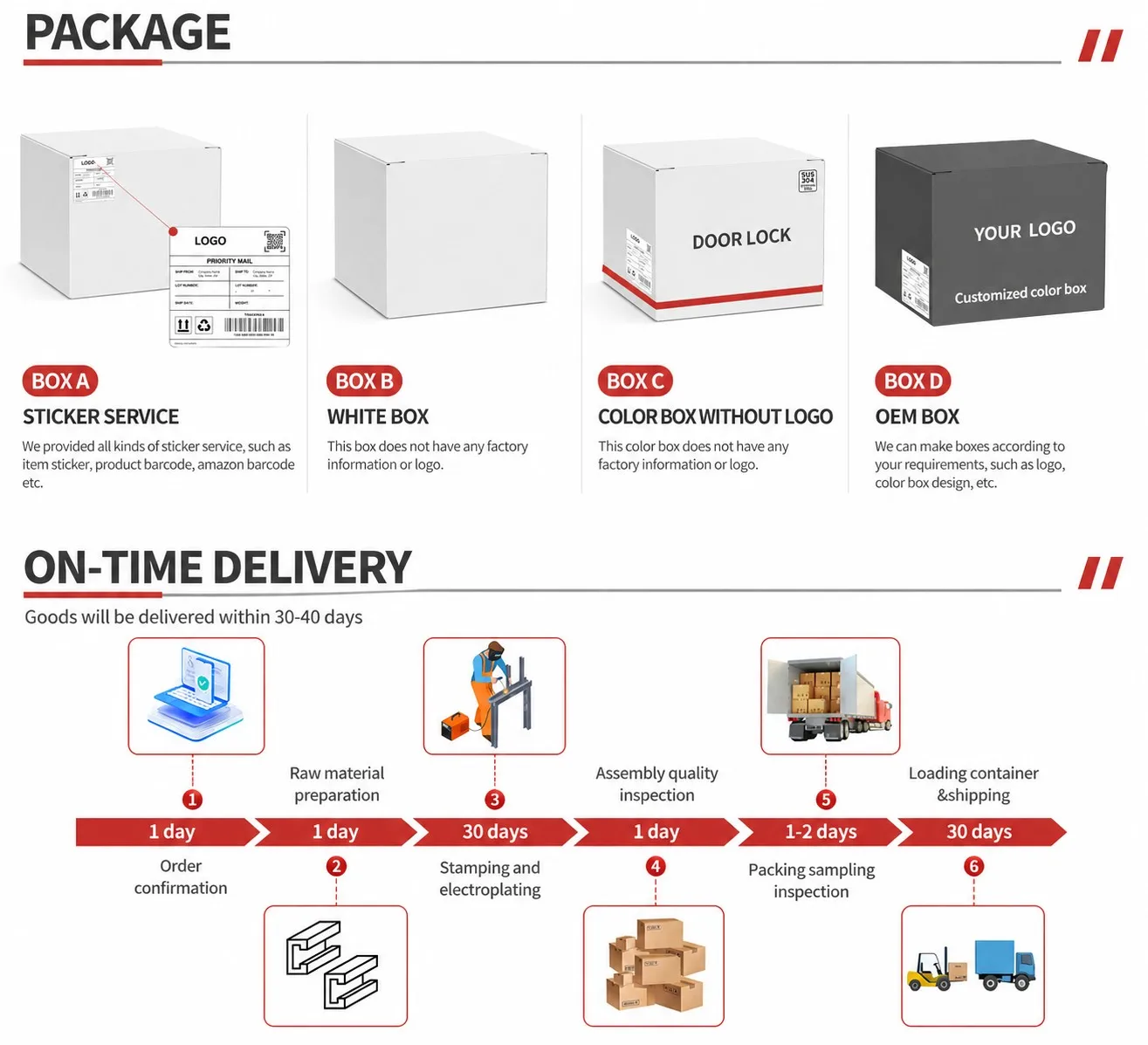

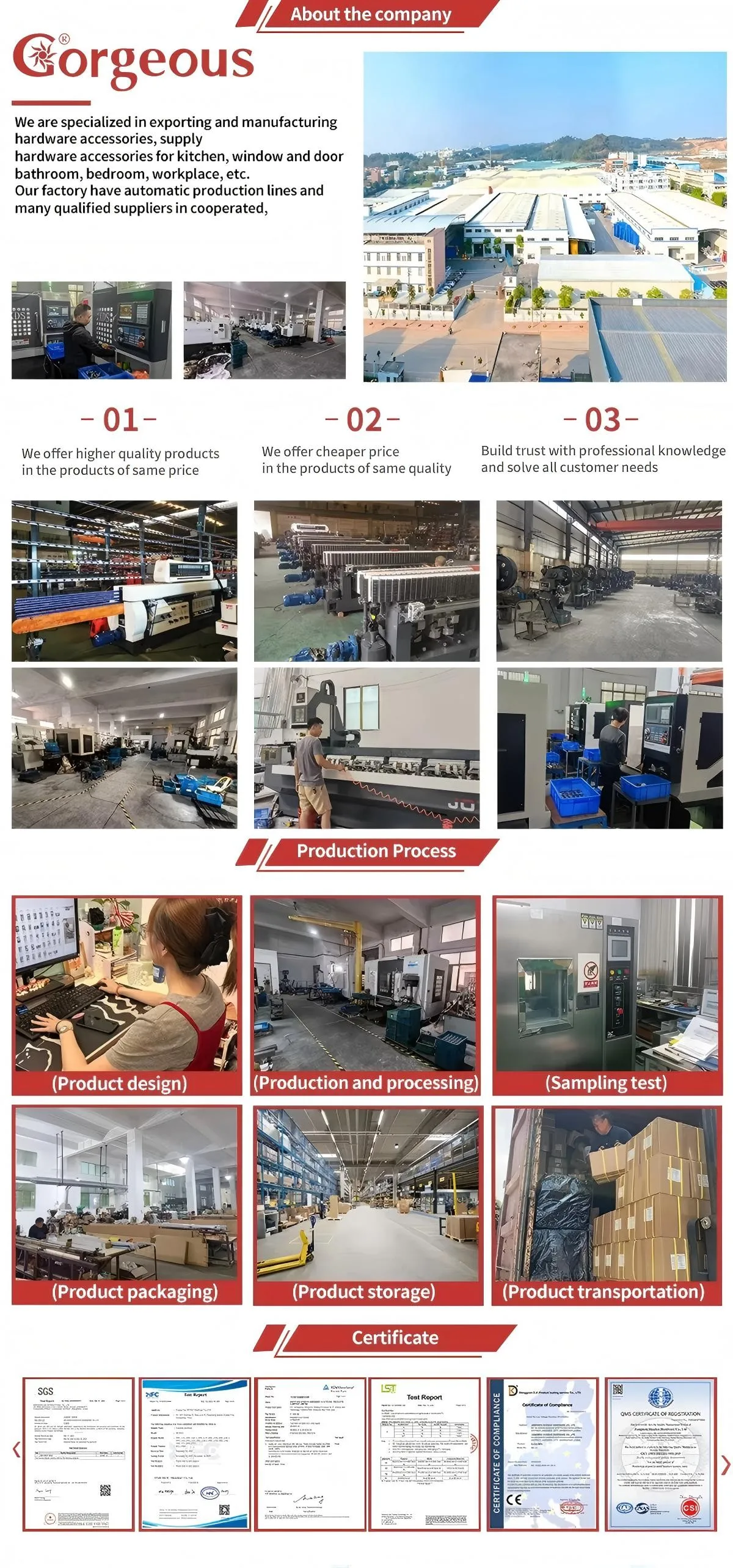

The K4125 is supplied as a zinc plated corner brace bent through a radius, with a raised rim along both edges and counterbored holes: the 50 mm brace in 0.6 mm and 0.8 mm with two holes per leg, the 80 mm brace in 1.0 mm with three. Packed to count. Bend radius, rim height, hole diameter and hole pitch follow the issued drawing.
Send the corner you are holding, the panel thickness and the screw you intend to use, and the brace can be checked against all three before anything ships. If the corner is not a right angle, say so at enquiry: this shape will often take it, and a folded bracket will not.


Comprehensive score