


L Corner Bracket Countersunk Holes Zinc Plated K412a
The K412a Countersunk Corner Bracket In Ten Frames
This bracket has one feature that separates it from the plain corner bracket next to it in the catalogue, and it is not the shape. Every hole is countersunk: the rim is cut back in a cone so that a flat head screw finishes level with the face of the leg. On a bracket that will be seen, or on one that has to slide past something, that difference is the whole reason to buy it. Everything else is deliberately ordinary - two legs at a right angle, a plain crease between them, three holes to a leg, yellow chromate zinc plating.

The finish reads as a spread of yellow through copper-brown across the three brackets in the frames, and that is the chromate passivation rather than three different specifications. It changes with the angle of the light across a flat plate, which is why the same bracket looks olive in one frame and brass in the next. Judge it by whether the coating has taken on the cut edges of the holes, since that is where a weak bath fails first and where rust begins on a bracket kept in a damp store.
What A Countersink Buys
A plain hole makes the screw head sit on top of the leg. A countersunk hole sinks it. On the face that touches the panel this matters for one reason and on the other face for a different one. On the panel face, a sunk head means the leg can sit flat against the timber with nothing trapped between them, so the bracket takes its load through the full area of the leg rather than through a ring around each head. On the exposed face, a sunk head cannot catch on a drawer, a sliding panel or a hand.
The trade is bearing area. A countersunk head spreads its load over the cone, and the cone has less surface than a pan head of the same diameter sitting on a flat leg. That is why the screw has to match the countersink: an eighty-two degree head in a ninety degree cone touches on a line instead of a face, and it will work loose under vibration however hard it is driven. Send the screw you intend to use and the cone in the bracket can be cut to it, which is a small thing to arrange at order and an awkward thing to discover on a hundred brackets already drilled.

The Plain Crease
The fold is a single crease with nothing pressed into it. That is a decision, not an omission. A plain crease relies on the plate thickness and the length of the folded corner to hold its angle, and on a bracket of this proportion it holds well enough for the work it is sold for - carcass corners, plinth returns, drawer boxes, light frames. Where the corner has to carry a working load or survive being leaned on, the same family is available with a rib pressed across the inside of the fold, and that rib is what stops the angle from flexing under load.
Knowing which you have is easy in the hand and easy in the frames. A ribbed bracket shows a raised form in the middle of the fold and the inside face is not flat across its width. A plain crease shows nothing but the bend itself and the inside face runs straight from edge to edge. Both are sold as corner brackets and the price difference is small, so the one that gets specified is usually the one that was quoted for, not the one that suits the job - which is worth checking before a batch is ordered.

Three Holes To A Leg
Every bracket in this range carries three holes on each leg, on all three lengths. That is more than the minimum, and it is the right number for this bracket. Two screws on a leg fix the rotation; a third adds nothing mechanically except insurance, and insurance is worth having on the leg that goes into the end grain of a panel or into a material that is not perfectly flat. Three also gives a fitter a choice of which pair to use when the first hole lands somewhere inconvenient.
The holes on the shorter legs sit closer together than those on the longest, because the plate is shorter, not because the pattern is different. Fit the two outer holes first and the middle one last. On a short leg the third screw is the one that pulls a twist out of the timber; on a long leg it is the one that keeps the bracket from creeping when the joint takes a knock.
Choosing A Length
The frames show three lengths side by side, and the choice between them is about how much of the two panels the corner has to reach across. The shortest suits drawer boxes and small cases, where the panels are narrow and a long bracket would stand out of the joint. The middle one is the general cabinet size. The longest is for table aprons, bed frames and repair work, where the joint has already moved and the fasteners need to reach sound material on both sides of it. Going up a length is the cheapest repair there is for a corner that has loosened.
No figures are printed on the frames in this folder, so the lengths are not stated here. The dimensional drawing that comes with the bracket carries the leg lengths, the width across the leg, the hole diameter, the countersink angle, the distance from each edge to the first hole and the plate thickness. Ask for it with the sample, and check the countersink angle on the drawing against the screws you intend to use, since that is the one number on the sheet that changes what the bracket can be fitted with.
Driving It Without Splitting
Countersunk heads sit deeper, so the screw is doing its work closer to the surface of the panel than a pan head would, and the pilot hole matters more rather than less. Drill a pilot just under the core diameter, drive until the head touches the cone and stop there. A countersunk head driven past that point acts like a wedge: it flares the hole in the steel, it crushes the timber around it, and the bracket ends up with a high spot under one corner that no amount of further tightening will remove. On softwood, a pilot and a light hand are the difference between a bracket that sits dead flat and one that rocks on its own screws.
Keep the screws short enough that the points cannot break the far face of the panel, and keep them long enough to reach past any skin or veneer into the core. A bracket fixed with screws that only grip the surface layer will feel tight and will not be tight. This is worth stating because countersunk screws are usually bought shorter than pan head screws of the same gauge, and the temptation is to go a size down.
What These Are Called
Three phrases come in on enquiries for this bracket. A heavy duty L bracket is the trade description, and it is a claim about what the bracket will hold rather than about its shape, so it needs the leg length and the plate thickness behind it before it means anything. A steel L bracket names the material, which separates it from the zinc alloy and plastic brackets sold for the same corners. A 90 degree corner bracket names the angle the fold produces, which is what most buyers are actually shopping for. All three phrases point at the brackets in the photographs.
None of them mentions the countersink, which is the one feature that distinguishes this bracket from the cheaper bracket beside it. That is why the three names are not enough on their own: a buyer who asks for a steel L bracket and receives a plain-hole bracket has received what he asked for and not what he needed. Quote the countersunk hole and the screw head it takes, and the enquiry describes this bracket rather than the category.
Where This Bracket Earns Its Place
A carcass corner is the obvious job and the bracket does it without ceremony: two panels meeting at a right angle, the bracket on the inside, three screws into each panel, and the corner stops moving. The countersink matters here for a dull reason. The bracket sits on the inside face of a cabinet where a drawer has to run past it, and a bracket with screw heads standing off the face is a bracket that wears a line in the side of the drawer. A countersunk bracket presents a flat face to the runner and the drawer runs clean.
A drawer box is where the bracket suits itself best. The sides are thin, the corners are small, and there is no room for a bracket whose heads sit proud of the leg. The same bracket closes the corner of the box and stays out of the space the drawer contents need. It is also the place where a plain-hole bracket looks adequate and behaves badly, because the heads catch on linen and tear it, which is a complaint that comes back long after the bracket has been paid for.
A plinth return, a bed rail, a light frame and a shop fitting all take the same bracket for the same reason: the corner has to hold an angle and the fixing face is either seen or passed by something. In each case the bracket is chosen for its length first and its countersink second, and in each case a bracket one length longer would have done the job with fewer complaints. The plain crease is not a problem on any of them, because none of these corners is asked to carry weight across the joint rather than along it.
Stocking Three Lengths
A workshop that fits this bracket regularly ends up stocking two of the three lengths and ordering the third by the job. The middle length covers most carcass work and the longest covers repair and table frames, and the shortest is the one that gets used on drawer boxes in bursts and then sits on the shelf. Two lengths carried and the third bought in is usually cheaper than three lengths sitting in bins, because a bracket that is not used is a bracket that has been paid for twice - once at purchase and once in the space it takes.
Whatever is stocked, mark the length on the bag and keep the countersunk bracket apart from the plain one of the same outline. The two are indistinguishable at arm's length and completely different in use, and the mistake is made by whoever picks from the bin, not by whoever ordered it.
Bracket by bracket, the checks that follow are the ones that catch a bad carton: a bracket that rocks on a flat surface, a bracket with a head standing proud of its cone, a bracket with a burr in the countersink, a bracket with a thin coat inside the holes. A few brackets in a hundred fail one of them, and the bracket that fails is the bracket that comes back.
Checks On Delivery
Four checks on a carton. Angle: stand a bracket on a flat surface and sight along both legs, because a crease that is not square will hold the joint it is fitted to out of square. Countersink: drop a screw of the intended type into a hole and look at it from the side, since a head that stands proud or rocks in the cone is a mismatch that no amount of driving will fix. Plating: look inside the countersinks and along the sheared edges, which are the places a thin coating fails first. Holes: run a finger around each rim for a burr, because a burr under a countersunk head holds it off the cone and the screw reads as tight while the bracket is loose.
Count the carton by length as well as by number. The three lengths in this range differ by little enough that a mixed carton will not be spotted by weight, and the mistake is always found at the bench. Bag and mark them by length when they come in, and keep the plain-hole bracket of the same shape in a different bin: they look alike until a screw is dropped into a hole.
Ordering The K412a Bracket

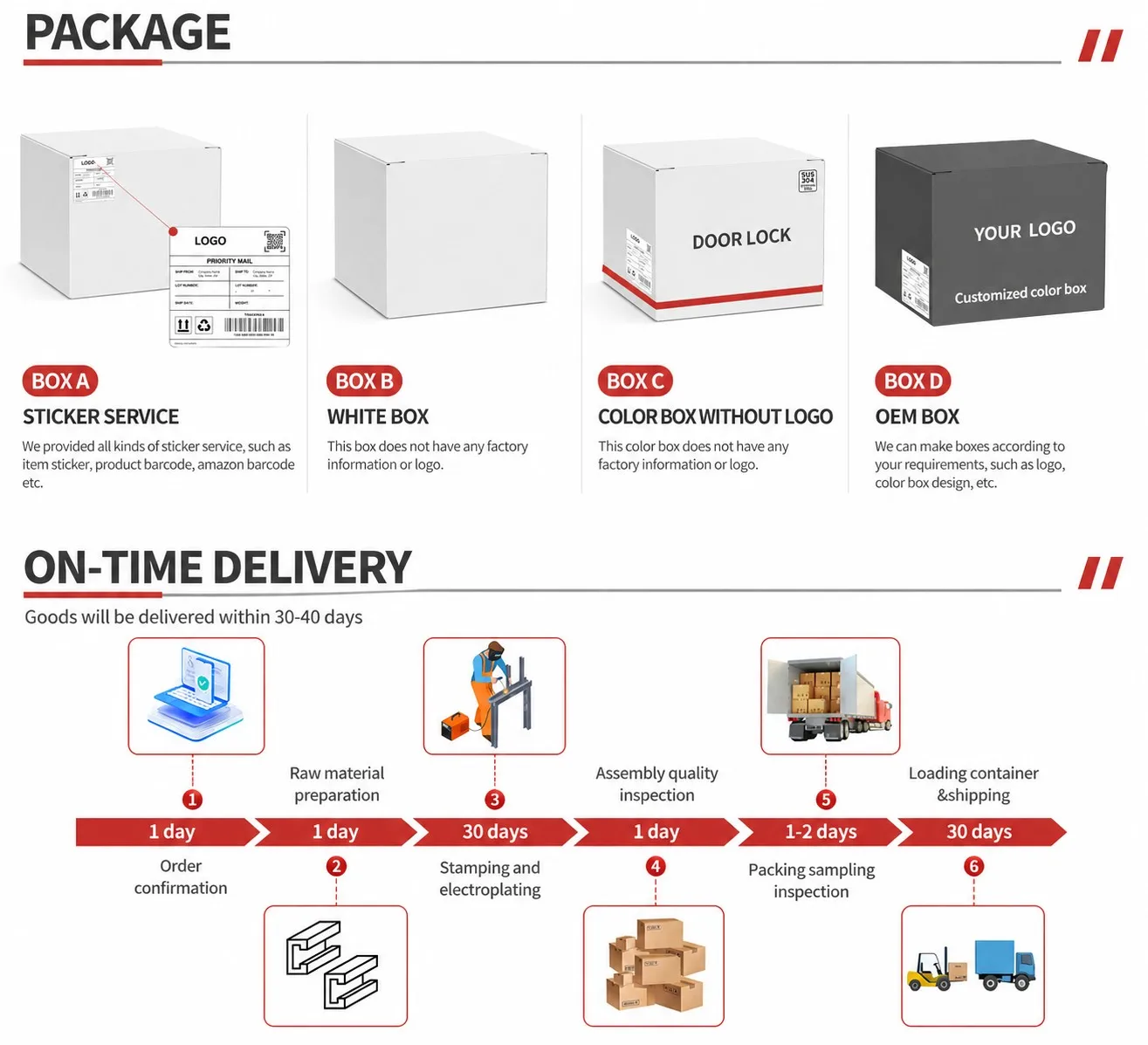

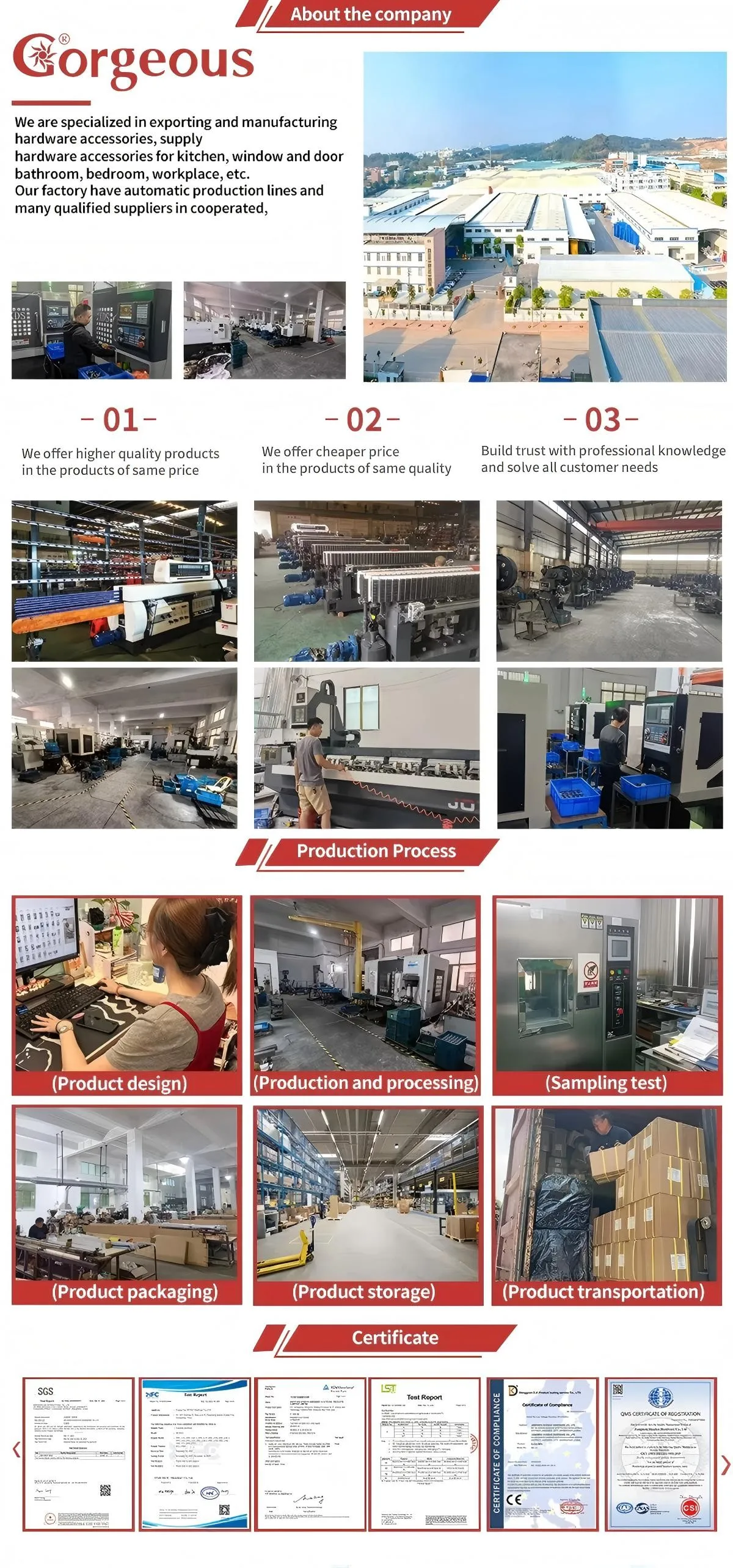

The K412a is supplied as a zinc plated corner bracket with countersunk holes, three to a leg, a plain crease at the fold and three lengths in the range. Packed to count by length. Leg lengths, width across the leg, hole diameter, countersink angle, edge distances and plate thickness follow the issued drawing.
Send the length you need, the panel thickness and the screw head you intend to use, and the countersink can be checked against that screw before anything ships. Where the corner has to carry a working load rather than simply hold an angle, say so at enquiry and the ribbed version of the same bracket is the one to quote.


Comprehensive score